Where to Stay in Kerala: Choosing the Right Base in Each Region
Find the ideal base for your Kerala trip with region-by-region guidance — from Kochi's heritage quarters to Munnar's tea hills, Alleppey's backwaters and the quiet beaches of Varkala and Bekal.
By TravMe Holidays travel team · · Updated · 7 min read
Kerala packs a surprising variety of landscapes into a small geography: coconut-lined backwaters, misty hill stations, spice-scented forests, and palm-fringed beaches. Choosing the right place to stay in each region can shape your whole trip — whether you want a relaxing houseboat on the backwaters, an immersive homestay in Wayanad, or a boutique heritage stay in Fort Kochi. This guide helps you pick the best base across Kerala’s regions, explaining what each area offers, the types of accommodation to consider, and practical tips for getting around.
How to use this guide
Start by deciding the style of vacation you want: nature, beach, culture, food, or a mix. Look at travel time between bases and plan a logical route — for example, Kochi to Munnar to Thekkady to Alleppey makes a smooth inland loop; coastal circuits can include Kovalam, Varkala and Bekal. For each region below you’ll find the key towns to use as bases, what to expect nearby, recommended accommodation types, and when to visit.
Greater Kochi (Fort Kochi, Ernakulam, Willingdon Island)
Why stay here: Kochi is Kerala’s cultural and transport hub. It mixes colonial history, art cafés, spice markets and easy access to the airport and trains. It’s a practical start or end to a Kerala itinerary.
Best neighbourhoods
- Fort Kochi: Heritage hotels, art galleries, and a relaxed seaside ambience. Ideal for couples and culture seekers.
- Mattancherry: Close to the spice markets, Jewish Synagogue and antique shops — good for history buffs and food lovers.
- Ernakulam (MG Road): The commercial centre with good transport links, shopping and a range of hotels for families and business travellers.
Accommodation types
- Heritage hotels and boutique guesthouses in Fort Kochi for character-filled stays.
- Mid-range city hotels in Ernakulam for convenience and connections.
- Serviced apartments for longer stays or family groups.
Munnar and the Western Ghats
Why stay here: Munnar’s rolling tea estates, cool air and trekking options make it Kerala’s premier hill-station escape. Use Munnar as a base for tea-plantation walks and mountain viewpoints.
Where to base
- Munnar town: Central location with cafes, markets and easy access to Echo Point and Eravikulam National Park.
- Tea estate bungalows: For a secluded, romantic experience among manicured gardens and colonial-era charm.
Accommodation types
- Plantation bungalows and cottages for peace and panoramic views.
- Small resorts and homestays for a balance of comfort and local hospitality.
Practical tips
- Altitude means cooler evenings — carry warm layers even in summer.
- Roads can be winding; consider travel time when planning day trips.
Thekkady and Periyar (Wildlife and Spice Plantations)
Why stay here: If wildlife, spice gardens and boat safaris on a serene lake are on your list, Thekkady is the right base. It’s a gateway to Periyar National Park and many spice estates.
Where to base
- Thekkady town: Compact, with tour operators arranging safaris, boat rides and cultural shows.
- Plantation homestays: Stay on a spice plantation to experience farm-to-table cooking and guided walks.
Accommodation types
- Eco-lodges and jungle resorts near the park edge for wildlife enthusiasts.
- Simple guesthouses or homestays if you want authentic local living and food.
Alleppey (Alappuzha) and Kumarakom — The Backwaters
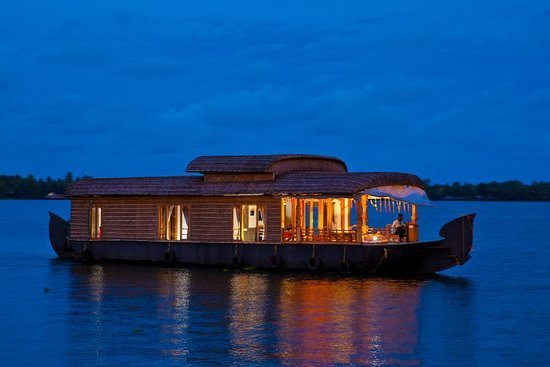
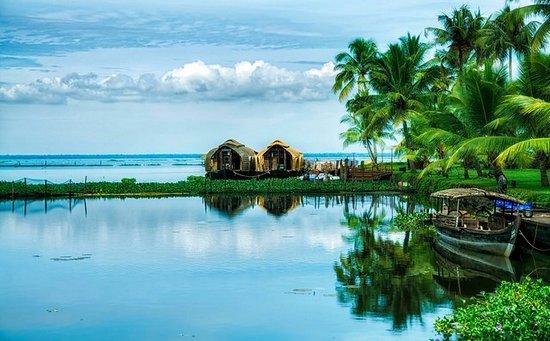
Why stay here: The backwaters are synonymous with Kerala. Choose between a floating houseboat cruise for a night or two, or a land-based homestay or resort for longer, slower exploration.
Where to base
- Alleppey (Alappuzha): The launch point for traditional houseboats and short cruises along canals and lagoons.
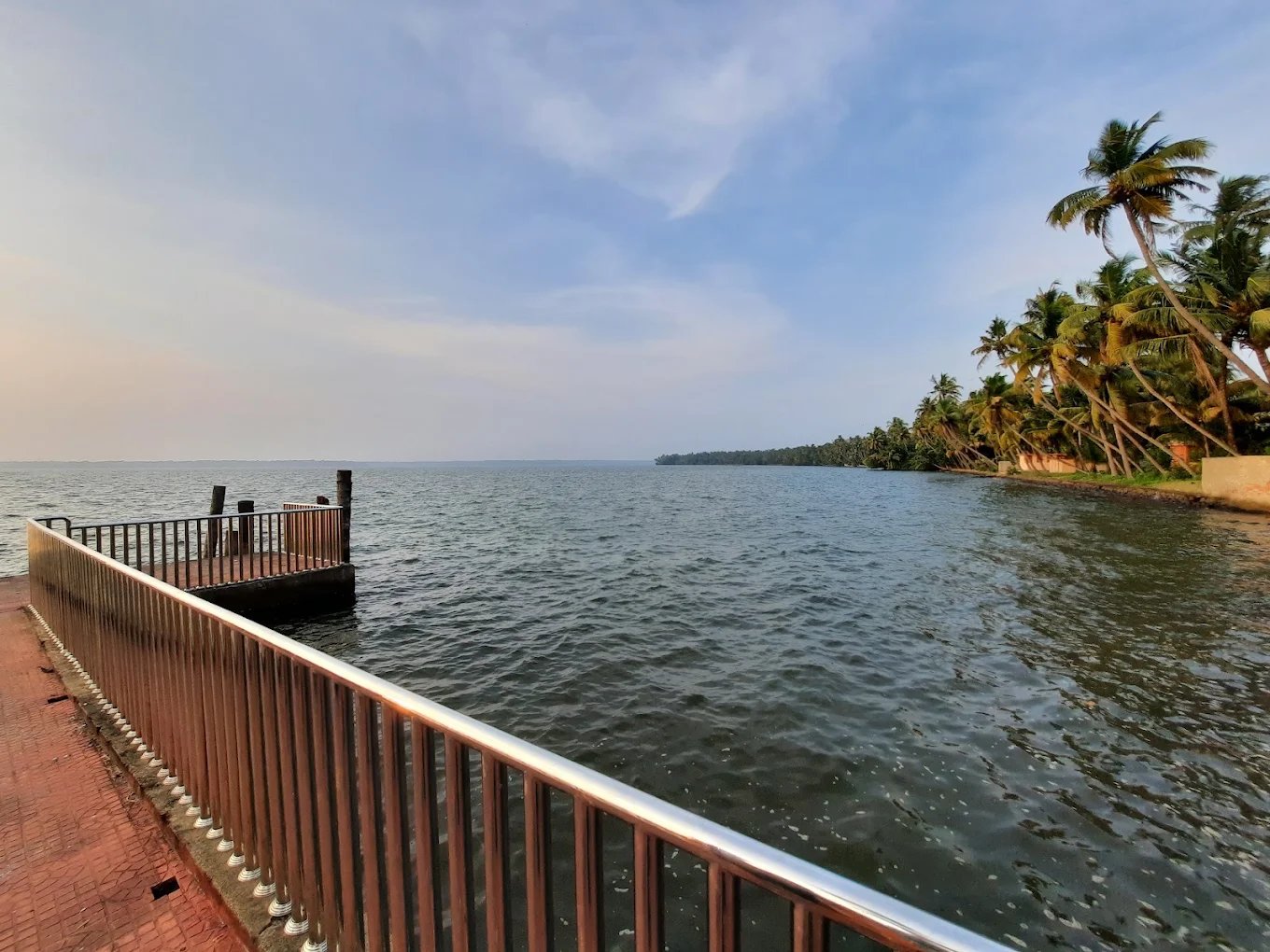
- Kumarakom: A quieter birdwatchers’ haven with lakeside resorts and luxury homestays.
Accommodation types
- Traditional rice boat houseboats for overnight cruises — book based on reviews and sanitation standards.
- Backwater villas and resorts with private canoe trips and Kerala spa therapies.
- Family-run homestays in villages for immersive cultural experiences.
Practical tips
- Decide if you prefer a mobile experience (houseboat) or a stationary one (resort/homestay) — both are charming but different.
- Morning boat rides offer the best light for photography and village interactions.
Varkala and Kovalam — Beach Stays for Different Vibes
Why stay here: Kerala’s coastline changes character from the busy, well-serviced beaches of Kovalam to the cliff-backed, bohemian vibe of Varkala. Choose based on whether you want wellness and resorts or a relaxed, independent beach culture.
Where to base
- Kovalam: For classic beach resort life, Ayurvedic centres and easy access to the state capital, Thiruvananthapuram.
- Varkala: For a colourful cliff-side promenade, yoga shalas and a more backpacker-friendly scene.
Accommodation types
- Luxury beach resorts in Kovalam with Ayurvedic centres and private beaches.
- Cliff-edge guesthouses, boutique hotels and homestays in Varkala for direct sea views and relaxed dining options.
Malabar Coast — Kozhikode (Calicut), Kannur and Bekal
Why stay here: The northern Malabar coast blends thriving seafood cuisine, historic trading towns, and long, less-crowded beaches. It’s ideal for cultural exploration and quieter seaside holidays.
Where to base
- Kozhikode (Calicut): Great for food-focused stays — local bakeries, biryani and street eats.
- Kannur: Known for Theyyam ritual performances and pristine beaches.
- Bekal: A top choice for families and couples seeking an uncrowded beach with a dramatic fort backdrop.
Accommodation types
- Beach cottages and boutique resorts in Bekal and Kannur.
- Comfortable city hotels and heritage stays in Kozhikode for urban exploration.
Wayanad — Forests, Wildlife and Tribal Culture
Why stay here: Wayanad’s verdant hills, wildlife sanctuaries and tribal heritage make it an excellent base for slow, rural travel, trekking and birding.
Where to base
- Kalpetta: Central and convenient for short drives to attractions like Edakkal Caves and Pookode Lake.
- Sulthan Bathery: Good for connecting to wildlife reserves and tea estates.
Accommodation types
- Jungle lodges and eco-resorts for nature immersion.
- Homestays that often include home-cooked meals and local storytelling.
Choosing by traveller type
- Couples: Plantation bungalows in Munnar, houseboats in Alleppey, or boutique cliff hotels in Varkala.
- Families: Kumarakom backwater resorts, Bekal beach resorts or Ernakulam city hotels with good connectivity.
- Solo travellers and backpackers: Fort Kochi, Varkala and budget homestays in Wayanad and Thekkady.
- Luxury seekers: Heritage properties in Kochi, high-end resorts in Kovalam and private villa resorts in Kumarakom.
- Nature and wildlife fans: Thekkady, Wayanad and Periyar-side lodges.
Seasonality and timing
The best time to visit most of Kerala is from October to March when the weather is pleasant and humidities are lower. Hill stations like Munnar are enjoyable year-round but can be misty during the monsoon months. The monsoon (June to September) has its own charm for Ayurveda treatments and lush green landscapes, but plan carefully if you need reliable transport and outdoor activities.
Practical booking tips
- Book houseboats and popular heritage stays well in advance for peak season and festivals.
- Check cancellation policies and whether transfers or pick-ups are included, especially for remote homestays and eco-lodges.
- Read recent guest reviews for housekeeping, food quality and clean drinking water—these matter more in rural listings.
- Consider staying at least 2–3 nights in each base to avoid rushed travel on narrow, winding roads.
Tip: When in doubt, opt for a centrally-located home stay for the first night — it gives you flexibility while you settle in and plan the rest of your route.
Transport and connectivity
Kochi, Thiruvananthapuram and Kozhikode have major airports; mainline trains connect most big towns. For regional transfers, pre-booked taxis or private drivers are common and often preferred for comfort and convenience. Intra-region travel may require slower options like ferries (for backwaters) or local buses if you want to travel like a local.
Food and local experiences tied to where you stay
Food varies across regions. Coastal bases like Kozhikode, Kannur and Varkala serve outstanding seafood and Malabar biryani; hill stations emphasise simple, hearty Kerala-style meals with fresh vegetables and tea estate produce. Homestays and plantation stays often include home-cooked meals and cooking demonstrations — a great way to learn local recipes and customs.
Sample 10-day route with recommended bases
- Day 1–2: Kochi (Fort Kochi) — culture and art.
- Day 3–4: Munnar — tea walks and viewpoints.
- Day 5–6: Thekkady — wildlife and spice gardens.
- Day 7–8: Alleppey or Kumarakom — backwater stay or houseboat.
- Day 9–10: Varkala or Kovalam — beach relaxation and Ayurvedic therapy.
Safety and cultural etiquette
Kerala is generally safe for travellers. Respect local customs: dress modestly when visiting places of worship, ask before photographing people, and accept hospitality graciously. Be mindful of ecological rules in protected areas and avoid littering, especially in beaches and backwater villages.
Conclusion
Choosing where to stay in Kerala depends on your travel style, season and interests. Whether you want a heritage stay in Fort Kochi, a cosy tea-bungalow in Munnar, or a tranquil houseboat in Alleppey, each base offers a distinct flavour of Kerala. Plan a logical route to minimise travel time, allow at least a couple of nights in each place, and embrace homestays and local food for the most memorable experiences.