Where to Stay in Chopta and Nearby Villages
Chopta offers a range of stays from rustic camps and homestays to cosy guesthouses near Tungnath and Deoria Tal. This guide helps you choose where to stay based on season, budget, and activities.
By TravMe Holidays travel team · · 7 min read
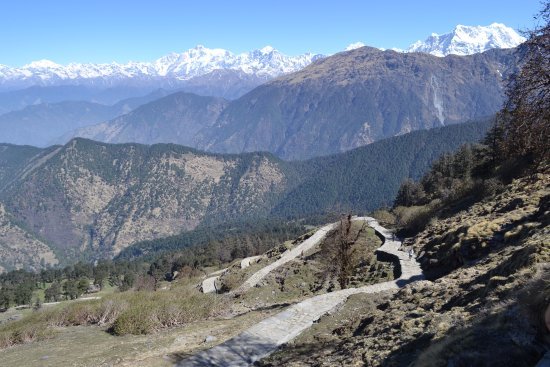
Chopta, often called the 'Mini Switzerland of India', is a quiet Himalayan meadow that serves as the gateway to Tungnath, Chandrashila and several high-altitude lakes and villages. Choosing the right place to stay can shape your entire experience — whether you want an early-morning summit for sunrise, a cosy night under the stars, or a warm homestay with local food. This guide walks you through the accommodation types, village options, travel tips and suggested itineraries so you can pick the best base for your Uttarakhand adventure.
Why where you stay in Chopta matters
Chopta is not a single town but a collection of meadows and small settlements spread across mountain slopes. Proximity to trailheads, altitude, services and the vibe of the place vary widely. Some travellers want to be as close as possible to the Tungnath trailhead to catch the sunrise with minimal walking; others prefer the peaceful remoteness of nearby villages or the social atmosphere of a camp. Understanding the differences helps you match accommodation to your priorities — trekking convenience, comfort, family-friendly services or solitude.
Types of accommodation around Chopta
Accommodation options close to Chopta range from very basic to comfortable mid-range stays. Each has distinct advantages and trade-offs.
Guesthouses and budget hotels
These are clustered near the main Chopta parking/tourist area and along the road towards Sari. Expect simple rooms, shared bathrooms in some places, hot water availability in peak season and basic meals. Ideal for travellers on a budget who still want a warm bed and cooked food after a day of trekking.
Homestays
Staying in a homestay gives you a glimpse of Garhwali life. Hosts usually provide home-cooked meals, local stories and guidance for trails. Homestays are excellent for families and solo travellers seeking a cultural connection and personalised attention.
Camps and eco-camps
Tents and dome camps are popular, especially during the summer and early monsoon windows. Camps range from basic camping experiences with shared washrooms to elevated eco-camps with attached bathrooms and heaters. Camps put you close to nature and are perfect for stargazing, but check for winter readiness and the camp’s waste-management practices.
Forest guesthouses and rest houses
The local forest department and some private organisations operate simple rest houses. These are utilitarian, often located near trailheads or scenic viewpoints. Book in advance through the correct channels if you want a guaranteed stay.
Premium cottages and boutique stays
A few properties offer more comfortable rooms, thoughtful amenities and slightly better food. These are suited to travellers who want a mix of comfort and wilderness without the remote feel of a camp.
Where to stay: Chopta and nearby villages compared
Here’s a breakdown of the main places to consider as bases for exploration.
Chopta (main meadow and roadside cluster)
This is the most convenient location. You’ll find guesthouses, camps and homestays within walking distance of the Tungnath trailhead and parking area. Staying here means a short, early-morning walk to the Tungnath climb, which is essential if you want to watch the sunrise from Chandrashila. Expect more activity and slightly better connectivity than remote hamlets.
Sari and surrounding hamlets
Sari, a bit down the road from the main Chopta meadow, has several homestays and small guesthouses. It provides a calmer atmosphere and often better views of the valley. Sari is a practical choice for families who prefer a quieter night but still want easy access to trails.
Tungnath area
There are few formal stays right at Tungnath because it is a shrine and a high-altitude spot. Most visitors stay lower down in Chopta and do the ascent to the shrine and Chandrashila on foot in the early morning. If you want to be as close as possible, look for camps in the upper meadows — they will shorten your pre-dawn trek but can be exposed and colder.
Deoria Tal and Kund side
Deoria Tal is a high-altitude lake popular for its mirror reflections of Chaukhamba range. The best strategy here is to stay in Chopta or nearby hamlets and do a day trek to Deoria Tal. Some trekkers choose to camp near Deoria Tal for a night under the stars, which is a special experience but requires carrying camping gear or arranging a guided camp.
Remote hamlets and shepherd huts (Tolma, small meadows)
If you want to escape the small clusters of tourists, ask about homestays in lesser-known hamlets or shepherd huts used by local herders. These are basic but offer solitude, clean air and unique sunrise views. Be prepared for limited amenities and a more rustic experience.
Choosing based on traveller type
Match your accommodation to your travel style and needs.
- Budget travellers: Guesthouses in Chopta and Sari, shared rooms or basic camps.
- Families and older travellers: Homestays in Sari and lower Chopta with warm meals and easier access to the road.
- Trekkers and early-risers: Camps or stays closest to the Tungnath trailhead so you can start before dawn.
- Nature lovers and photographers: Remote camps or lakeside camping near Deoria Tal for minimal light pollution and excellent vistas.
- Slow travellers and cultural seekers: Homestays that include local food and interactions with hosts.
When to visit and how it affects lodging choices
Seasonality plays a major role.
Summer (March to June)
Peak season for Chopta. Most camps and guesthouses open up. Pleasant days and cool nights make camping viable. Book early for weekends and holidays.
Monsoon (July to September)
Monsoon can bring landslides on the approach roads and trails become slippery. Some camps close. If you travel during the monsoon, prefer established guesthouses or homestays with sturdy roofs and local guidance.
Autumn (October to November)
Clear skies and excellent visibility. Accommodation options are similar to summer; it’s a great time for photography and trekking. Nights are colder, so ensure heating options or warm bedding.
Winter (December to February)
Heavy snowfall often makes Chopta inaccessible; many camps and homestays close for the season. Only seasoned travellers who are well-equipped for snow should attempt a winter visit. Confirm weather and road conditions before planning.
Practical tips for booking and staying
- Book in advance: During peak season, weekends and festival times, lodging fills up fast. Reserve early, especially for camps or homestays with limited rooms.
- Ask about hot water and heating: Many properties rely on solar water heaters or firewood stoves; availability may be limited in the early morning or late evening.
- Check food options: Homestays and camps typically serve local cuisine; if you have dietary needs, discuss them beforehand.
- Carry cash: ATMs are not reliable; many small stays prefer cash payments.
- Connectivity: Mobile network varies; expect intermittent signal. Choose your base if staying connected is essential.
- Responsible travel: Choose properties that practice waste management, use local labour and respect the landscape.
What to pack for your Chopta stay
- Warm layers, thermal wear and a windproof jacket — temperatures drop sharply at night.
- Good trekking shoes, rain cover and a daypack for summit hikes.
- Personal toiletries and a headlamp; not all stays provide toiletries or 24-hour lighting.
- Reusable water bottle and basic first-aid kit; altitude-related symptoms are possible at higher spots.
- Powerbank — electricity may be intermittent.
Suggested sample itineraries
Short stay — 2 days (ideal for weekend travellers)
- Day 1: Arrive at Chopta, check-in, short acclimatisation walk to nearby meadows, dinner at homestay or camp.
- Day 2: Early morning trek to Tungnath and Chandrashila for sunrise, return, freshen up and depart post-lunch.
Leisurely stay — 3 to 4 days
- Day 1: Arrive and settle in; short walks and interaction with host family.
- Day 2: Full-day trek to Deoria Tal or explore nearby ridgelines for photography.
- Day 3: Early hike to Tungnath/Chandrashila; relax in the afternoon, visit local hamlet.
- Day 4: Optional nature walks, pack and return.
Safety and health considerations
Altitude in Chopta and around Tungnath is moderate but trekking quickly to higher elevations can cause breathlessness. Walk at a comfortable pace, hydrate well and avoid heavy exertion on the first day. Carry prescribed medicines if you are prone to altitude sickness. Check weather forecasts and local advisories — sudden weather changes are common in the mountains.
Tip: Respect local customs and land-use patterns. Simple gestures — removing shoes before entering homestays, asking before photographing people and avoiding single-use plastics — go a long way.
Conclusion
Choosing where to stay in Chopta depends on what you value most: convenience for early-morning treks, cultural immersion, family comfort or wilderness solitude. For first-time visitors, a homestay or guesthouse in Chopta or Sari offers the best balance of access and amenities. Adventurers leaning towards camping and photographers chasing dawn light might prefer upper-meadow camps or lakeside camping near Deoria Tal. Book thoughtfully, pack for changeable mountain weather and support responsible hosts — your stay in Chopta can be both restorative and unforgettable.