Viceregal Lodge Shimla: Visiting the Indian Institute of Advanced Study
Explore the Viceregal Lodge in Shimla—an architectural gem that now houses the Indian Institute of Advanced Study. Practical tips, history, architecture, and how to plan your visit.
By TravMe Holidays travel team · · Updated · 5 min read
Perched on Observatory Hill in Shimla, the Viceregal Lodge is one of Himachal Pradesh's most evocative colonial-era buildings. Now home to the Indian Institute of Advanced Study (IIAS), the Lodge blends grand architecture, lush gardens and living history — a must-visit for travellers who appreciate culture, quiet walks and panoramic Himalayan views.
Why visit the Viceregal Lodge (Indian Institute of Advanced Study)?
The Viceregal Lodge is not just a stately building; it is a repository of India’s colonial history, academic endeavour and architectural splendour. Originally the summer residence of the British Viceroy, it later became a centre for advanced research and scholarship as the Indian Institute of Advanced Study. Visiting gives you a chance to walk through opulent interiors, view period furniture and photographs, stroll immaculate grounds and reflect on pivotal moments from the late colonial era and early independence years.
Quick historical overview
The Lodge was commissioned during the British Raj as the Viceroy’s summer residence in Shimla, then the summer capital of British India. Designed in a high-Victorian style with touches of Jacobethan and Tudor influences, the building is distinguished by its steep gables, stone façades and ornate chimneys. After Independence, the premises were repurposed foracademic use, becoming the Indian Institute of Advanced Study, which brought scholars together for interdisciplinary research.
Key historical moments
- Centre of British administration in summer months, hosting councils and official functions.
- Venue where important political conversations took place in the lead-up to independence.
- Transition to an academic institution emphasises its continuing cultural and intellectual role.
Architecture and interiors
The Lodge’s architecture is a dramatic statement: thick stone walls, steep roofs, tall chimneys and a cluster of gabled towers. Inside, many rooms have been preserved or restored to reflect the late 19th- and early 20th-century ambience. The drawing rooms and reception halls display lacquered wood panelling, antique furniture, period photographs and memorabilia that tell stories of the colonial era.
Notable architectural features
- Jacobethan and Tudor revival styles combined with local stonework.
- Carved woodwork, stained glass windows and large fireplaces that were practical in the cold mountain winters.
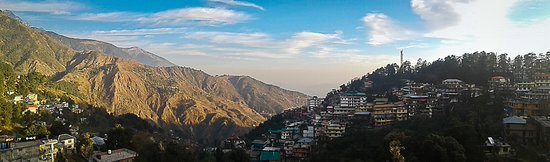
- Landscaped terraces and viewpoints that frame Shimla’s skyline and the distant Himalayan ridges.
The gardens and grounds
The Lodge sits in well-kept lawns and terraced gardens, planted with conifers, rhododendrons and ornamental shrubs. The grounds were designed to offer both privacy and panoramic views — ideal for contemplative walks. Benches and stone pathways invite visitors to pause and enjoy the crisp mountain air.
Tip: Early morning or late afternoon are the best times to catch softer light, clearer views and fewer crowds on the lawns and terraces.
What to see inside
While the Indian Institute of Advanced Study is an active research institution, parts of the building are open to visitors. Typical highlights include:
- Reception hall and formal drawing rooms with period furniture.
- A small museum area displaying photographs, letters and artifacts related to the Lodge’s history.
- Library and reading rooms that reflect the institute’s scholarly function.
- Balconies and viewpoints offering sweeping vistas over Shimla and surrounding hills.
Visiting practicalities
Before you plan your trip, keep these practical points in mind so your visit is smooth and rewarding.
How to reach
- From Shimla town centre (The Mall and Ridge) it is a short drive or a steep walk uphill. Many visitors combine a visit to the Lodge with a stroll along the Ridge.
- Local taxis and auto-rickshaws are available; if you prefer to walk, give yourself time for the climb and consider the footwear you wear.
Timings and entry
Parts of the premises may be accessible only during fixed visiting hours due to academic activities and security. Guided tours are sometimes available and provide richer context — check the institute's noticeboard or enquire at the gate. Remember to carry an ID, as it may be required for entry.
Photography and conduct
- Photography is usually allowed in the gardens and exterior; restrictions may apply inside certain rooms. Look for signage or ask staff.
- As the Lodge is also a functioning institute, maintain decorum: speak softly, avoid littering and respect restricted zones.
Best time to visit
Shimla’s seasonal charms influence the Lodge’s experience. Spring brings rhododendrons and milder weather; summer offers clearer views and comfortable days; autumn has crisp skies; and winter can be cold with occasional snowfall that makes the stone building look particularly picturesque. If you prefer fewer tourists, visit in the shoulder seasons (spring and autumn).
Accessibility and family visits
The Lodge’s historical layout includes stairs and uneven surfaces; mobility-impaired visitors should enquire ahead about access arrangements. Families with children will find the gardens appealing, but indoor spaces may be less child-friendly due to delicate exhibits and limited circulation space.
Nearby attractions and itinerary ideas
The Viceregal Lodge can be combined with several nearby attractions for a full day in Shimla:
- The Mall and Ridge: ideal for leisurely walks, cafés and colonial-era buildings.
- The Christ Church and Scandal Point: iconic spots in Shimla with historic value.
- Jakhoo Hill: for panoramic views and Hanuman temple visits, a short distance away.
- Gaiety Theatre and Tibetan market: cultural shopping and local handicrafts.
Guided tour suggestions
If you hire a guide or join a small group tour, ask them to cover the following:
- An architectural walkthrough pointing out key features and materials.
- Stories about the Viceroys and notable events held at the Lodge.
- Information about the IIAS and its current research focus — this connects the past with the present.
Responsible visiting
As a heritage site and a living academic institution, the Viceregal Lodge benefits from respectful tourism. Follow these simple principles:
- Do not touch fragile exhibits or furniture.
- Dispose of waste in designated bins or carry it with you until you find one.
- Keep noise to a minimum; many rooms are used for study and research.
Planning tips for TravMe Holidays customers
TravMe Holidays recommends combining the Viceregal Lodge visit with an experienced local guide and flexible transport. If you prefer guided history walks or photographic tours, request these options while booking. Comfortable walking shoes, layered clothing and a light water bottle will make your visit more enjoyable.
Conclusion
The Viceregal Lodge in Shimla is an essential stop for travellers who enjoy architecture, history and tranquil gardens set against Himalayan backdrops. Its transformation from the Viceroy’s summer residence to the Indian Institute of Advanced Study adds layers of meaning — a place where history is preserved and scholarship continues. Plan your visit during quieter hours, pair it with nearby Shimla attractions and take time to savour both the views and the stories embedded in its stone walls.