Thekkady to Alleppey Road Journey: What to Expect
A scenic road trip from Thekkady to Alleppey offers a transition from wildlife-rich hills to tranquil backwaters — expect changing landscapes, varied road conditions, and plenty of cultural and culinary stops en route.
By TravMe Holidays travel team · · Updated · 6 min read
Travelling from Thekkady, nestled in the cardamom-scented Western Ghats, to the languid backwaters of Alleppey is one of Kerala’s most rewarding road journeys. The trip unfolds like a story: highland forests and spice gardens give way to paddy fields, coconut groves, and winding canals. Whether you are planning a private car transfer, a taxi with a driver-guide, or a self-drive adventure, this guide prepares you for what to expect on the road, how to make the most of stops, and practical tips for a smooth, memorable day.
Overview of the Route and Time
The drive from Thekkady (Periyar region) to Alleppey covers roughly 140–160 kilometres, depending on the route you choose. Expect a travel time of around 4 to 5 hours in normal traffic, but allow extra time for scenic stops, meals, and photo breaks. Routes vary: some tracks climb and wind through hilly terrain before descending to the plains, while others keep to flatter, faster highway stretches. Your choice will depend on how much you want to linger and the kind of scenery you prefer.
Common Route Options
- Scenic hill-to-plain route: This takes you via smaller state roads that pass through spice plantations, rubber estates and villages—slower but far more picturesque.
- Faster highway route: A mix of NH and well-maintained state highways; best if you prefer to reach Alleppey with time for an afternoon backwater cruise.
- Mixed route with stops: Combine a faster stretch with deliberate detours to key attractions (temples, view points, local markets).
What You Will See Along the Way
The transition from the Western Ghats to the Kuttanad plains is literally a change of altitudes and lifestyles. Expect a visual feast:
- Spice and tea plantations: Close to Thekkady you will pass cardamom, pepper and clove gardens. Roadside stalls often sell fresh spices and homemade oils.
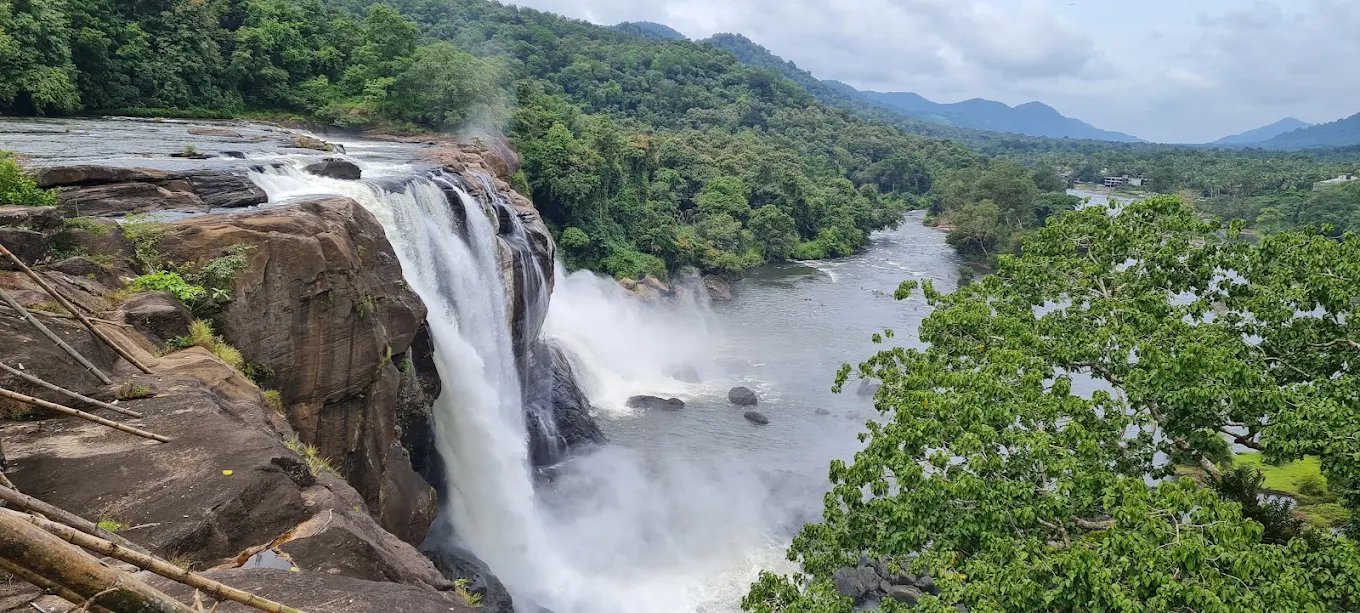
- Forested hills and winding roads: Early sections can be shaded and green, with occasional viewpoints and small waterfalls if you visit after the monsoon.
- Rubber and coconut plantations: As you descend, rubber plantations and dense coconut groves become common, signalling your approach to the plains.
- Paddy fields and canals: On the final approach to Alleppey you will encounter the classic Kerala tapestry—vast paddy fields, narrow country roads and a network of canals and lagoons.
Road Conditions and Driving Tips
Road quality varies along the route. Some stretches are smooth and fast, while others are narrower with undulating surfaces. If you are self-driving, here are practical pointers:
- Drive cautiously on ghat sections: Expect steep bends, occasional fog in early mornings and single-lane stretches. Use low gears while descending.
- Be mindful of local traffic: Two-wheelers, buses, school vans and slow-moving agricultural vehicles are common. Animals, especially stray cows and dogs, may be on the road.
- Watch for potholes after monsoon: Heavy rains can damage rural roads; reduce speed and keep a safe distance from other vehicles.
- Night driving: Avoid late-night travel on smaller roads. If you must, take the main highway and ensure vehicle lights and tyres are in good condition.
Suggested Stops and Experiences
The joy of this road trip is in the stops. Here are tried-and-tested halts that enrich the journey.
Spice and Plantation Visits
Near Thekkady you can visit working spice gardens and small processing units. Short walks through plantations give insight into cardamom, pepper, cinnamon and clove cultivation—perfect for photos and picking up fresh spices.
Local Eateries and Tea Shops
Stop at roadside bakeries and tea shops for freshly fried snacks, banana chips and ginger tea. Sampling local favourites such as kappa (tapioca) with a spicy fish curry is a great way to taste regional flavours.
Cultural and Temple Visits
There are small temples and village shrines en route where you can observe traditional rituals. A brief visit can provide a glimpse into local religious life, architecture and festivals if you happen to be there at the right time.
Village Walks and Photo Stops
Ask your driver to pause at a bridge over a canal or a paddy field for golden-hour photographs. Village walks are safe and rewarding; locals are often friendly and curious about travellers.
Arriving in Alleppey: What to Expect
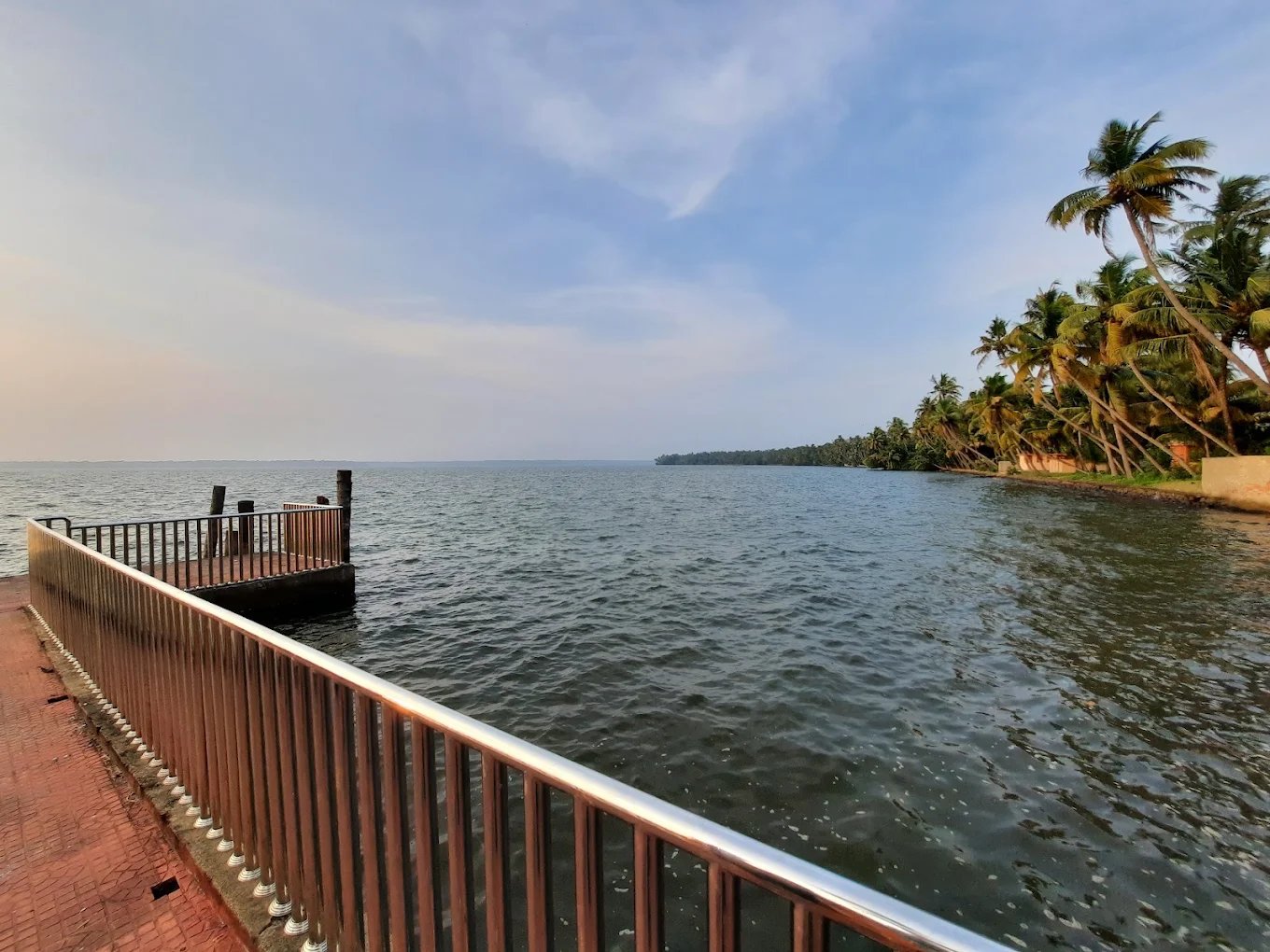
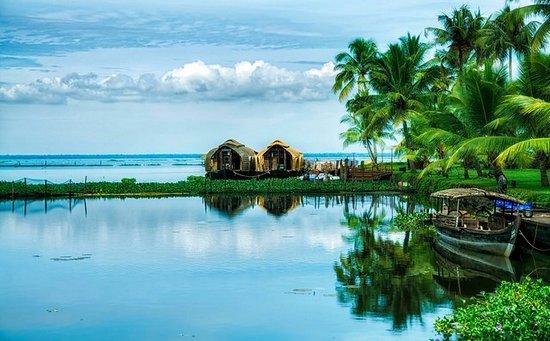
Alleppey (Alappuzha) marks a striking change: the bustling, hilly landscapes of Thekkady give way to quiet waterways and houseboats moored along canals. Traffic, if any, is mostly on the water. Key things to plan for when you reach:
- Houseboat check-in: Most cruises depart in the afternoon and continue into the evening. Arrange boarding times in advance to align with your arrival.
- Exploring the town: Alleppey town has local markets, the lighthouse, and small temples. If you have time, stroll along the beach or the busy Vembanad lakeshore.
- Boat rides and village canoe trips: Short kettuvallam (country boat) rides or canoe trips through narrow canals offer intimate views of backwater life.
Best Time to Travel and Weather Considerations
Kerala’s climate affects both road conditions and the visual character of the journey.
- Post-monsoon (September–February): Generally the most pleasant time with lush greenery and clearer skies—ideal for photography and outdoor stops.
- Monsoon (June–August): The countryside is dramatic and verdant, but heavy rains can slow travel and affect smaller roads.
- Summer (March–May): Warm and humid, with sharp sunlight on the plains. Early morning or late afternoon departures work best to avoid midday heat.
Choosing Your Transport
How you travel affects the experience.
- Private taxi with driver-guide: Most convenient and comfortable—drivers often double as informal guides who know the best stops and local eateries.
- Self-drive: Offers freedom to stop anywhere but requires confidence on hill roads and familiarity with local driving habits.
- Shared taxis or buses: Budget-friendly but less flexible. Buses may take longer and have fewer options for scenic detours.
Safety, Health and Local Etiquette
Stay safe and be respectful of local customs.
- Carry basic first-aid and medicines: Motion sickness tablets, water, and any personal medication are essential for longer drives.
- Respect local dress codes at shrines: If visiting temples, follow signage about footwear and attire.
- Hydration and food safety: Drink bottled water if uncertain about sources; eat at busy local places that appear clean and popular.
- Be environmentally conscious: Avoid littering, especially near water bodies. If stopping for a picnic, pack out what you bring.
Tip: Charge your phone and keep a power bank handy. Signal can be patchy in more remote ghat stretches, so download maps or offline directions beforehand.
Packing Checklist for the Journey
- Light daypack with water, snacks and sunscreen
- Comfortable shoes for short walks and village strolls
- Rain jacket or umbrella during monsoon months
- Camera or smartphone with extra memory for photos
- Reusable water bottle and small first-aid kit
Photography and Storytelling Opportunities
From spice-scented close-ups to wide backwater panoramas, this route is a photographer’s delight. Early morning and late afternoon give the best light. Seek candid moments: a fisherman casting a net, women working in paddy fields, children playing by a canal. Respect people’s privacy—ask before taking close portraits.
How to Make the Most of Your Arrival in Alleppey
Plan your arrival so you have time to settle into Alleppey’s rhythm. If you aim for a houseboat experience, try to reach early afternoon to board and enjoy the slow glide through canals at dusk. If staying on land, choose a homestay or heritage hotel near the lakeshore to enjoy morning vistas and easy access to village boat trips.
With a little planning and an open spirit, the Thekkady to Alleppey journey becomes more than a transfer—it’s a microcosm of Kerala’s diversity, offering wildlife whispers, spice-scented air, and the timeless calm of the backwaters. Pack well, stop often, and let the road reveal its many small pleasures.