Planning Your First Kerala Holiday: A Step-by-Step Guide
A practical, step-by-step guide for planning your first Kerala holiday covering when to go, how to get around, sample itineraries, accommodation, food, culture and packing tips to make the trip smooth and memorable.
By TravMe travel team · · Updated · 6 min read
Kerala, India’s languid tropical state on the Malabar Coast, is famed for its palm-lined backwaters, lush hill stations, spice-scented plantations and warm hospitality. If this is your first visit, the many travel choices can feel overwhelming. This guide breaks down the planning process into simple steps so you can create a Kerala holiday that matches your interests—relaxation, nature, food, culture or wellness.
Step 1: Choose the best time to visit
Kerala’s climate is tropical with heavy monsoon rains and hot, humid summers. When you travel will shape the experiences available:
- October to February — Peak season: cool, sunny days and pleasant evenings. Ideal for houseboats, hill stations like Munnar and Wayanad, and festivals.
- March to May — Warmer months: good for beaches and backwaters if you can handle humidity. Rates are often lower than peak season.
- June to September — Monsoon season: perfect for Ayurvedic treatments and lush scenery. Many travellers prefer monsoon for wellness retreats; houseboats run but schedules may be affected by heavy rain.
Step 2: Define your travel style and must-see places
Kerala offers distinct experiences—pick a theme to focus your itinerary. A typical first-time visitor often combines two or three of these:
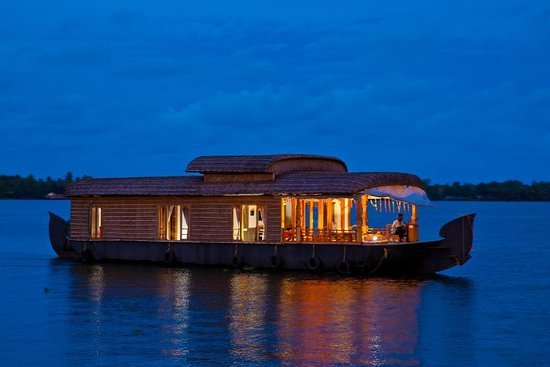
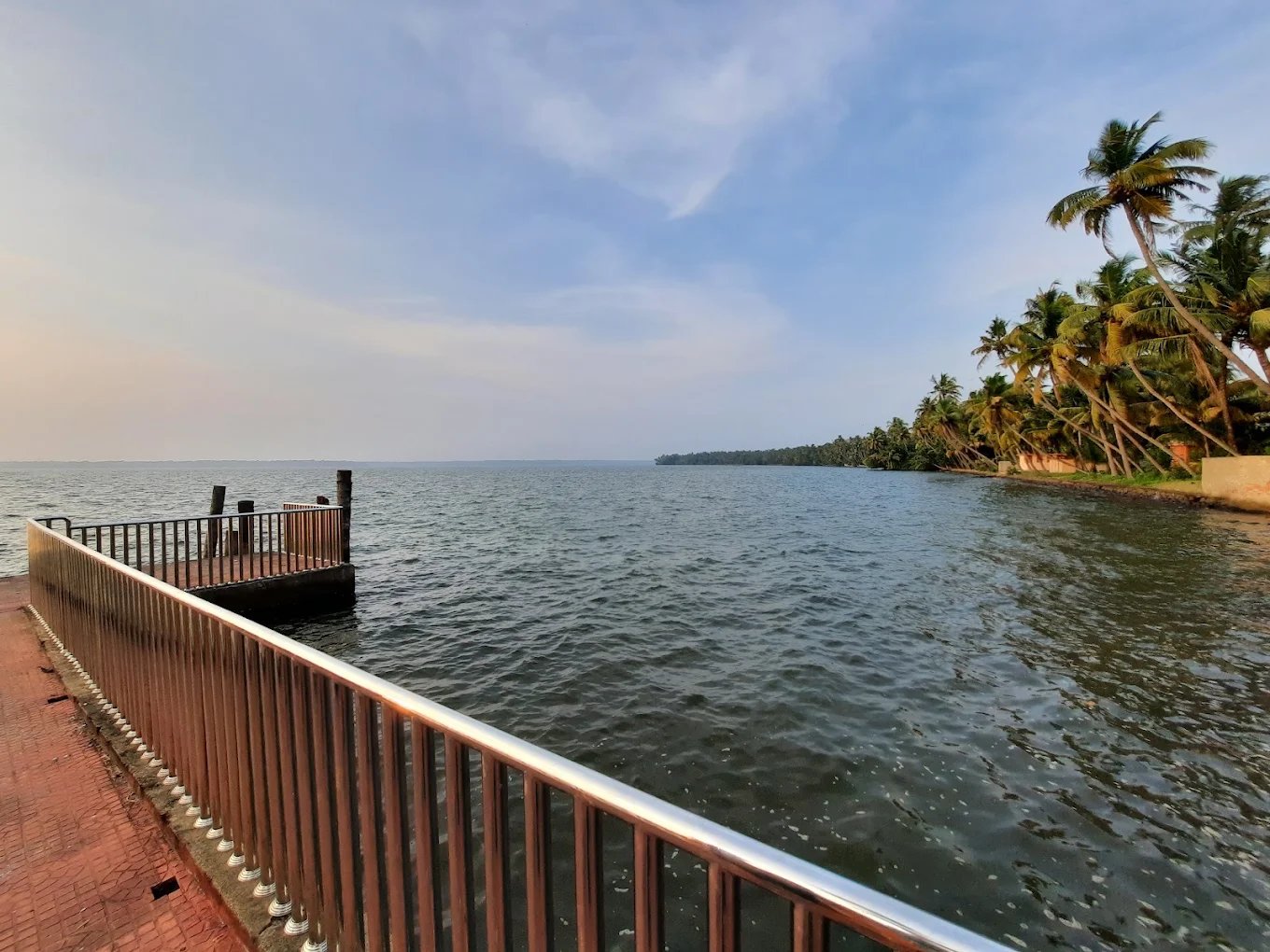
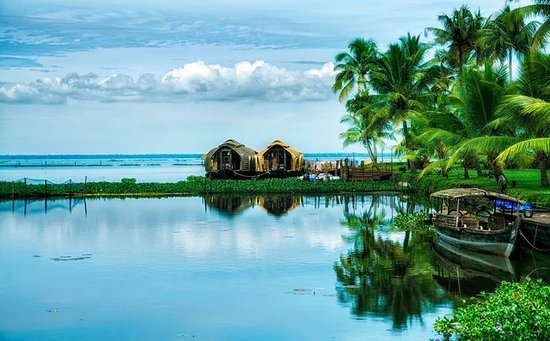
- Backwaters & Houseboats — Alleppey (Alappuzha) and Kumarakom are the most popular bases for overnight houseboat cruises through calm canals and rice paddies.
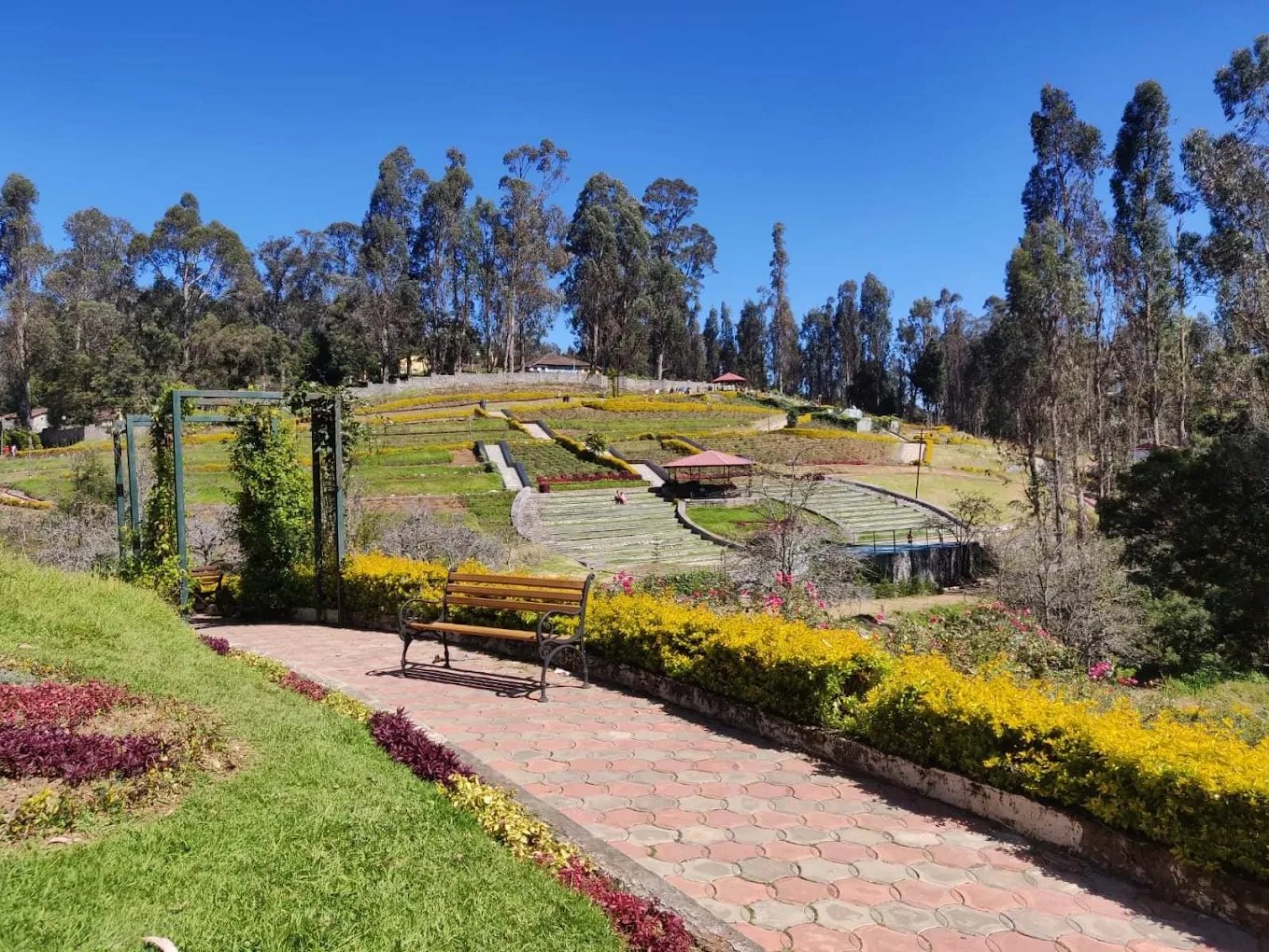
- Hill Stations & Tea Gardens — Munnar and Thekkady (near Periyar) are cool, scenic escapes with tea estates, trekking options and wildlife safaris.
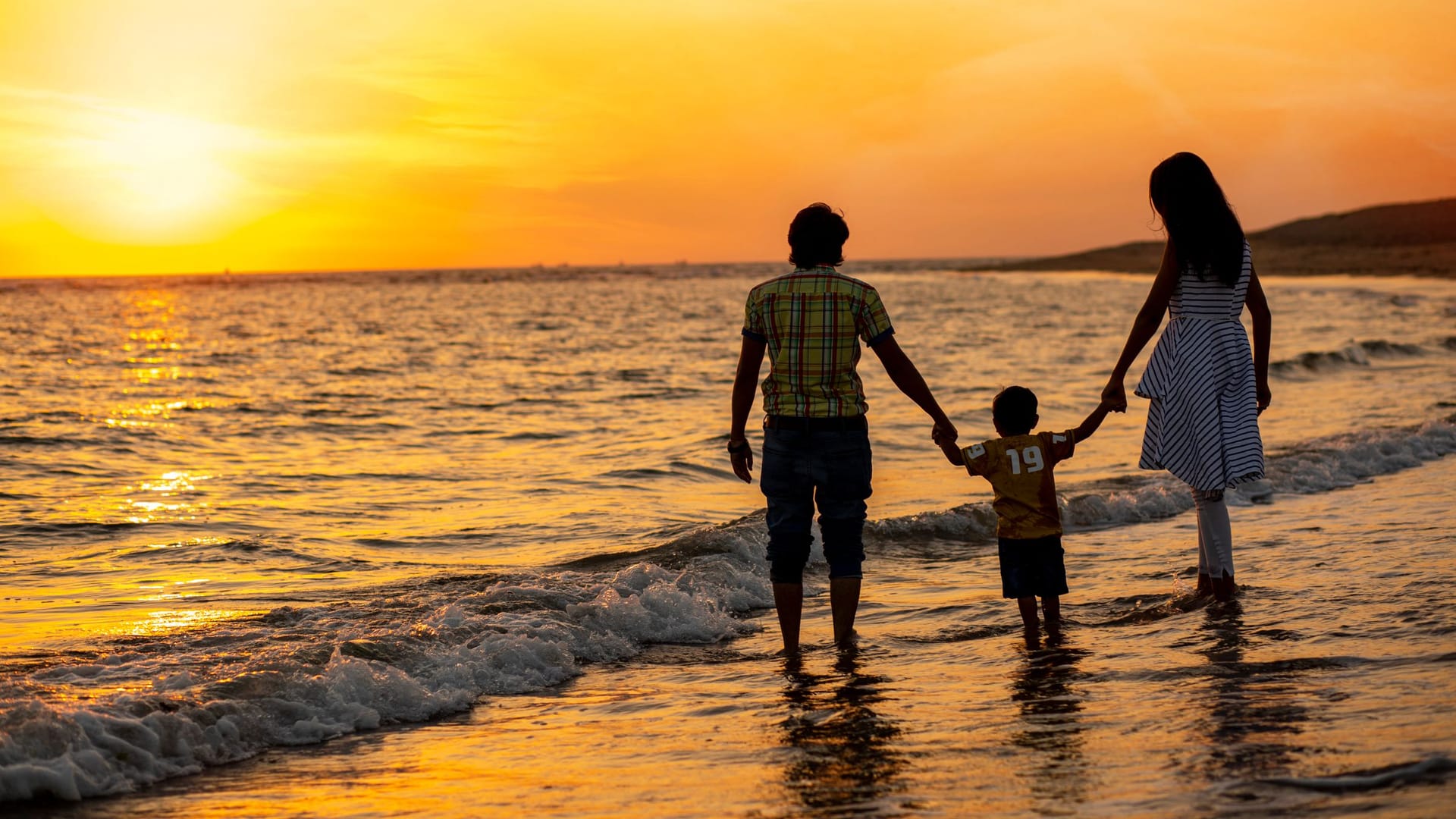
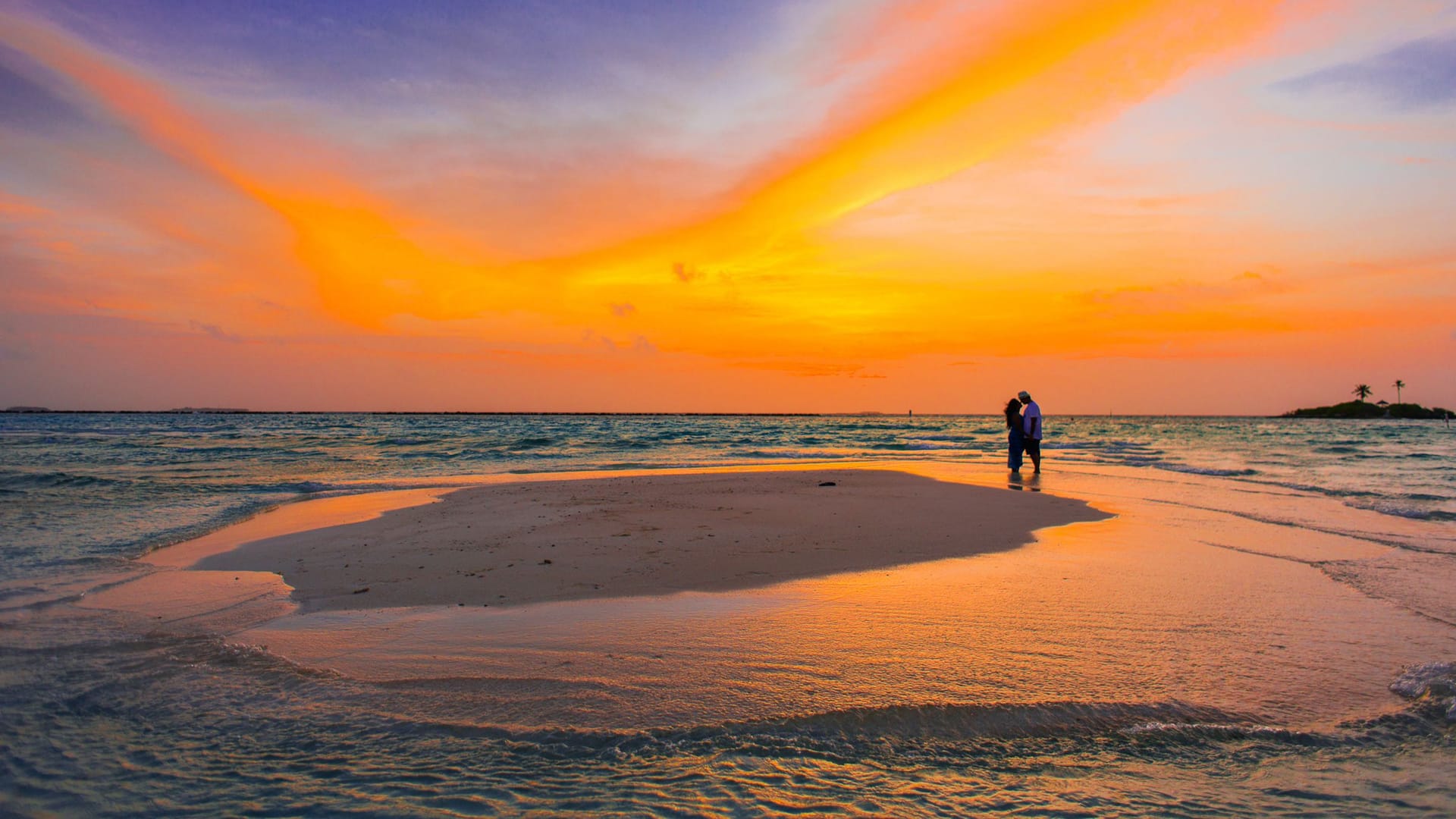
- Beaches — Kovalam and Varkala for sun, sand and seaside Ayurveda; lesser-known shores like Bekal or Marari for quieter stays.
- Culture & History — Fort Kochi, Mattancherry Palace, Jewish Synagogue and colonial-era streets with cafes, art galleries and Kathakali performances.
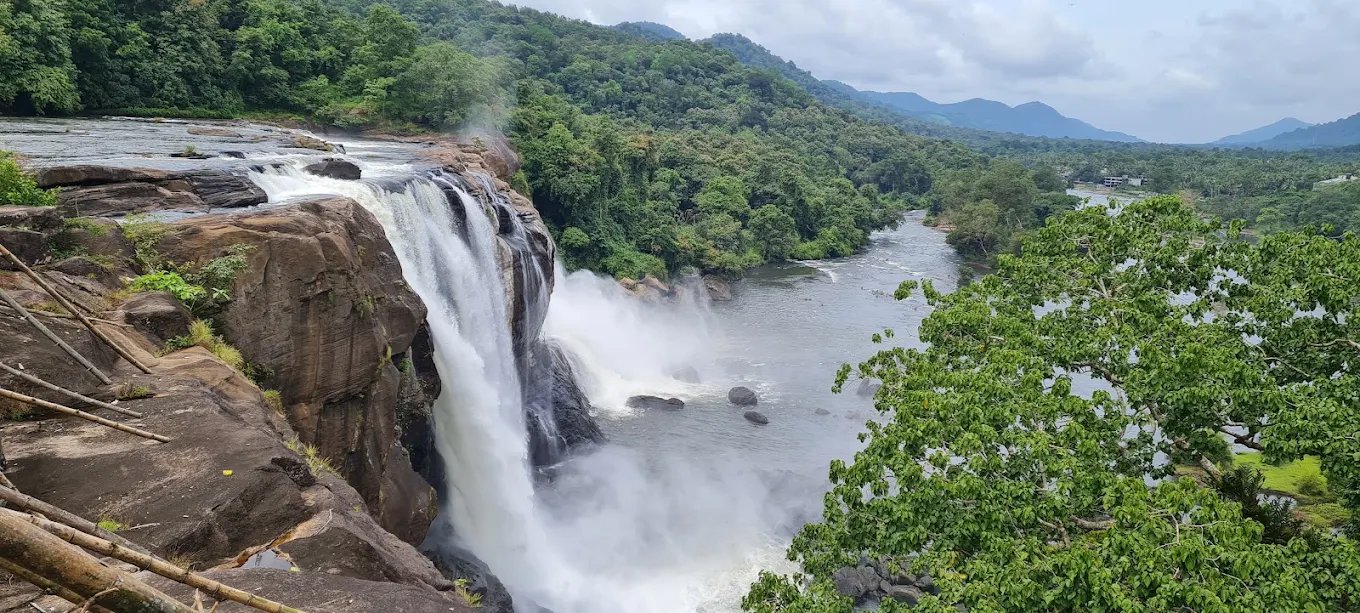
- Wildlife & Nature — Periyar Wildlife Sanctuary, Wayanad’s forests and waterfalls, silent treks and birdwatching.
Step 3: Plan a sample 7–10 day itinerary
Here are two sample itineraries to suit common first-time trip lengths. Adjust days based on arrival city and interests.
7-day relaxed Kerala
- Day 1: Arrive Kochi — Explore Fort Kochi and attend an evening cultural show (Kathakali or Kalaripayattu).
- Day 2: Kochi to Munnar — Scenic drive to tea gardens; evening stroll through plantations.
- Day 3: Munnar — Visit tea estates, Eravikulam (if open) or short hikes and viewpoints.
- Day 4: Munnar to Thekkady — Spice plantation visit and evening boardwalk by Periyar Lake.
- Day 5: Thekkady to Alleppey — Transfer to backwaters; board an overnight houseboat.
- Day 6: Alleppey to Kovalam — Beach time and relaxation.
- Day 7: Kovalam to Trivandrum — Short city visit and depart.
10-day immersive Kerala
- Day 1–2: Kochi — Art, history and cafe culture; day trip to nearby islands if time permits.
- Day 3–4: Munnar — Tea estates, local markets, tea museum and gentle treks.
- Day 5: Thekkady — Periyar boat safari and spice farm tour.
- Day 6–7: Alleppey/Kumarakom — Houseboat overnight, village walk and backwater villages.
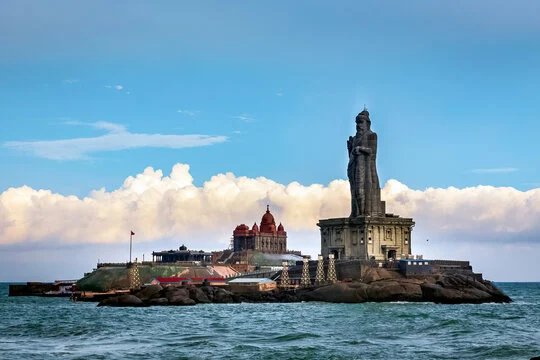
- Day 8–10: Varkala or Kovalam — Beach relaxation, Ayurvedic spa and local seafood; optional day trip to Kanyakumari if interested in southern tip views.
Step 4: How to get there and travel within Kerala
Kerala is well connected by air, rail and road. Choose the most convenient entry point based on your itinerary:
- By air — Major airports: Kochi (Cochin), Thiruvananthapuram (Trivandrum) and Kozhikode (Calicut). Domestic and international flights link to major Indian and Gulf cities.
- By train — Indian Railways serves most towns; sleeper and AC sleeper classes are comfortable for overnight journeys. Book in advance for peak season.
- By road — State-run and private buses connect cities; hiring a private car with a driver is popular and convenient for flexible day-to-day travel.
Within Kerala, tuk-tuks (autorickshaws), taxis and app-based cabs are widely available for short trips. Ferries and local boats are essential for some backwater and island transfers.
Step 5: Choose the right accommodation
Kerala caters to many budgets and styles. Consider these options depending on your theme:
- Houseboats — Unique overnight option in Alleppey or Kumarakom. Choose licensed operators and check hygiene standards for food.
- Heritage homestays — Stay with local families in traditional homes for an immersive cultural experience and homemade meals.
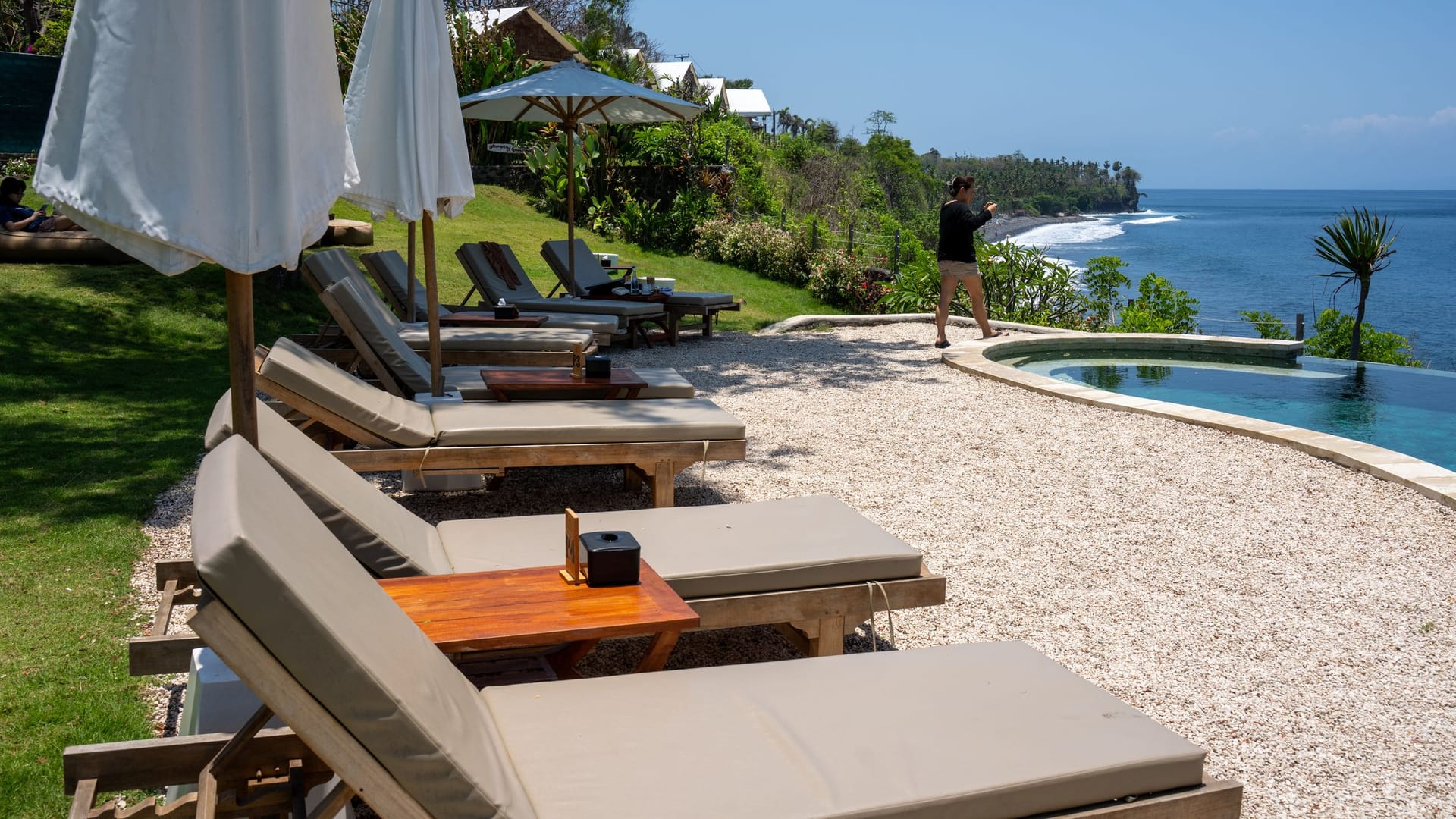
- Resorts and Ayurvedic centres — Many beach and hill resorts offer Ayurvedic treatments and yoga packages.
- Budget hotels and hostels — Read recent reviews for cleanliness and location; many small hotels offer excellent hospitality.
Step 6: Food, health and safety tips
Kerala’s cuisine is a highlight—seafood curries, appam with stew, banana chips, and aromatic spice-infused dishes. A few practical tips:
- Try local dishes at well-reviewed restaurants or trusted homestays. If you have a sensitive stomach, avoid very spicy food initially and drink bottled water.
- If you plan Ayurvedic treatments, consult a qualified practitioner; inform them of any medical conditions and follow their guidance.
- Carry basic medicines, mosquito repellent and sun protection. Footwear for uneven terrain and a light rain jacket if travelling during the monsoon are useful.
Step 7: Cultural etiquette and practicalities
Kerala is more liberal than many regions, but it helps to respect local customs:
- Dress modestly while visiting temples; remove footwear at shrines and follow temple rules about photography and offerings.
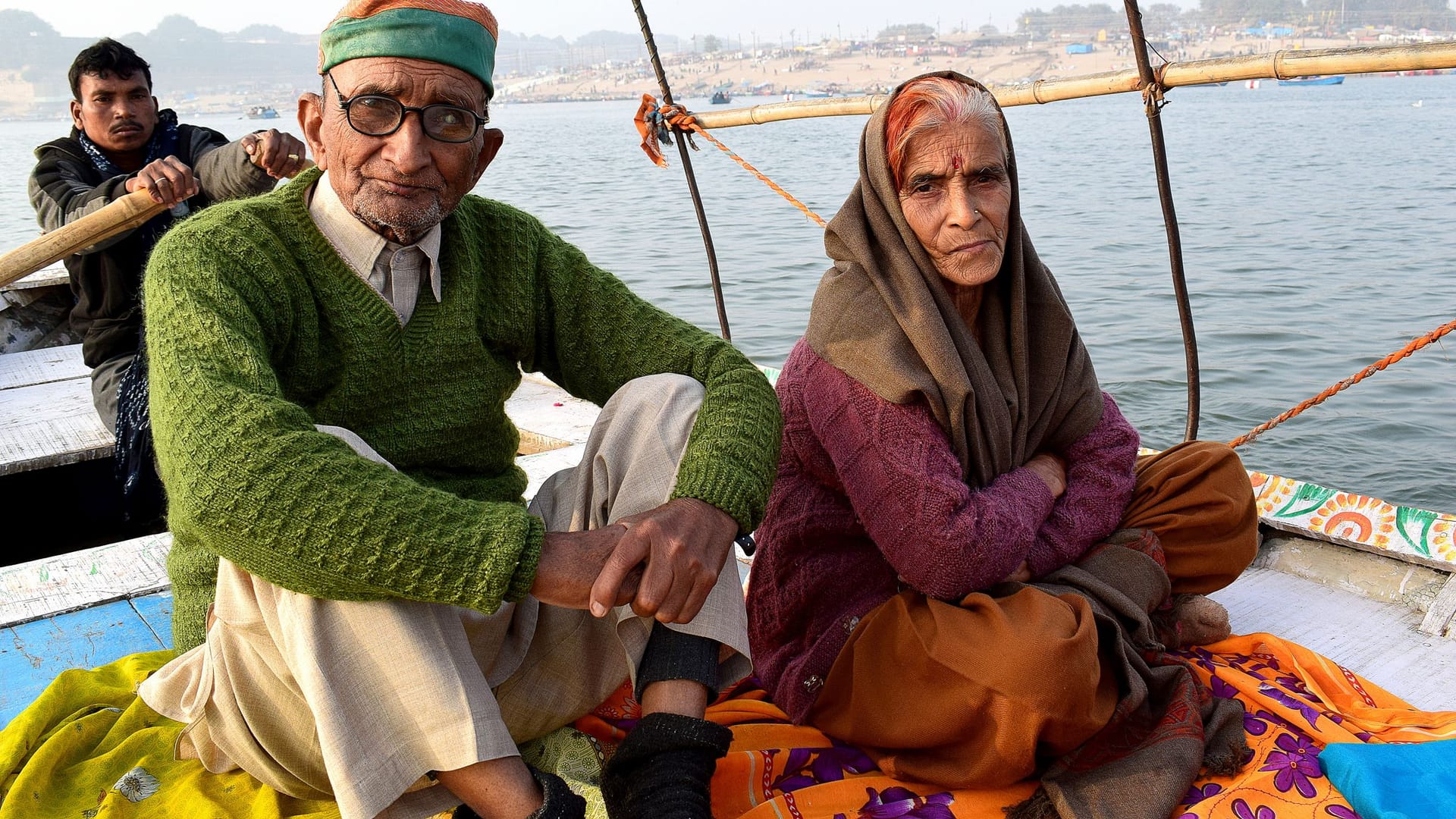
- Ask permission before photographing people, especially in villages and with elderly locals.
- Tipping is appreciated in hospitality and transport, but amounts are discretionary. Many hotels include service charges—check your bill.
Step 8: Packing checklist
Pack smart based on the season and activities planned. Essentials include:
- Light cotton clothes for daytime; a few warm layers for hill stations like Munnar.
- Comfortable walking shoes, sandals and flip-flops for beaches and houseboats.
- Rain protection (umbrella or compact rain jacket) during monsoon months.
- Sun protection: hat, sunglasses and high-SPF sunscreen.
- Reusable water bottle, basic first-aid kit and prescription medicines.
Step 9: Budgeting and booking tips
Plan your budget around accommodation, travel, meals and activities. A few pointers to manage costs and time:
- Book popular stays (houseboats, hill station hotels) well in advance during peak season.
- Weekday travel or off-peak months can reduce costs and crowds.
- Pack multi-day routes efficiently to avoid long daily drives—Kerala’s roads are scenic but can be slow in places.
Step 10: Final checks before departure
Before you leave, double-check these items:
- Your travel documents, reservations and contact numbers for hotels/operators.
- Confirm houseboat and local transfers a day before; unexpected changes can occur with weather or tides.
- Share your itinerary with a family member or friend and keep digital copies of important documents.
Local tip: A short village walk early in the morning or a ferry ride at dusk often reveals quieter, authentic moments that make a Kerala trip truly memorable.
Conclusion
Planning your first Kerala holiday is about choosing the right combination of experiences—backwaters, hills, beaches and cultural encounters—and aligning them with the season and your travel style. With advance booking for peak spots, a flexible mindset for weather, and a willingness to savour local food and slow-paced days, your Kerala trip can be both restorative and richly rewarding. Pack thoughtfully, respect local customs, and leave room for unplanned discoveries; Kerala often surprises travellers in the best possible way.