Ooty in Summer: Why the Nilgiris Stay Cool and What to Do
Discover why Ooty and the Nilgiris stay refreshingly cool in summer and get a practical guide to top activities, day trips, local food, and travel tips for a perfect hill-station escape.
By TravMe Holidays travel team · · 7 min read
Ooty, officially Udhagamandalam, has been a beloved hill-station for generations of travellers from across India. In summer, when the plains sizzle, the Nilgiris offer a welcome respite: cool, breezy days, misty mornings and emerald landscapes. This guide explains the natural reasons behind Ooty’s pleasant summer climate and outlines the best experiences, day trips and practical tips to help you make the most of a summer visit.
Why Ooty and the Nilgiris Stay Cool in Summer
Elevation and relief
The Nilgiri Hills rise to heights of around 2,000 to 2,600 metres above sea level in places. Ooty itself sits at approximately 2,240 metres. Temperature generally falls with altitude, so even when plains like Chennai, Bengaluru or Hyderabad climb to the mid-30s or 40s °C in summer, Ooty’s higher elevation keeps daytime temperatures comfortable, usually in the low 20s °C and nights cooler.
Forest cover and vegetation
The Nilgiris are rich in evergreen forests, shola-grassland ecosystems and extensive tea plantations. Dense tree cover shades the ground and reduces heat absorption, while transpiration from leaves helps cool the air. Large tracts of eucalyptus, acacia, rhododendron and native shola forests create a microclimate that moderates temperature swings.
Topography and wind patterns
Ooty’s rolling slopes and valleys channel cool winds from the Western Ghats and the Arabian Sea side. The landscape promotes airflow that flushes warm air away and brings in fresh breezes. Valleys also trap cool air at night, leading to chilly mornings and pleasant afternoons.
Water bodies and mist
Lakes, streams and marshy zones such as Ooty Lake, Avalanche Lake and the numerous mountain streams contribute to local cooling through evaporation. In early mornings, mist and low cloud cover reflect sunlight and keep daytime warming in check—one reason summers feel so crisp.
Monsoon interaction and cloud cover
Although the major southwest monsoon arrives a little later over the Nilgiris compared with the coastal plains, the region sees pre-monsoon showers and cloud cover in late spring and early summer. Clouds can limit direct solar heating during the peak summer months, helping to maintain comfortable temperatures.
Best Things to Do in Ooty During Summer
Explore Ooty Botanical Gardens
Spread over several acres, the Government Botanical Gardens are a summer highlight. Walk the terraced lawns, admire exotic and native plant collections, and enjoy the rose garden and fossil tree trunk. Early mornings are magical when mist lingers over the lawns and birds are most active.
Ride the Nilgiri Mountain Railway (Toy Train)
A UNESCO World Heritage component, the toy train from Mettupalayam to Ooty is an unforgettable experience. The narrow-gauge railway winds through tunnels, bridges and steep gradients, offering panoramic views of tea estates and forests. Book in advance for a reserved seat and aim for daytime runs to savour the scenery.
Tea estate tours and tasting
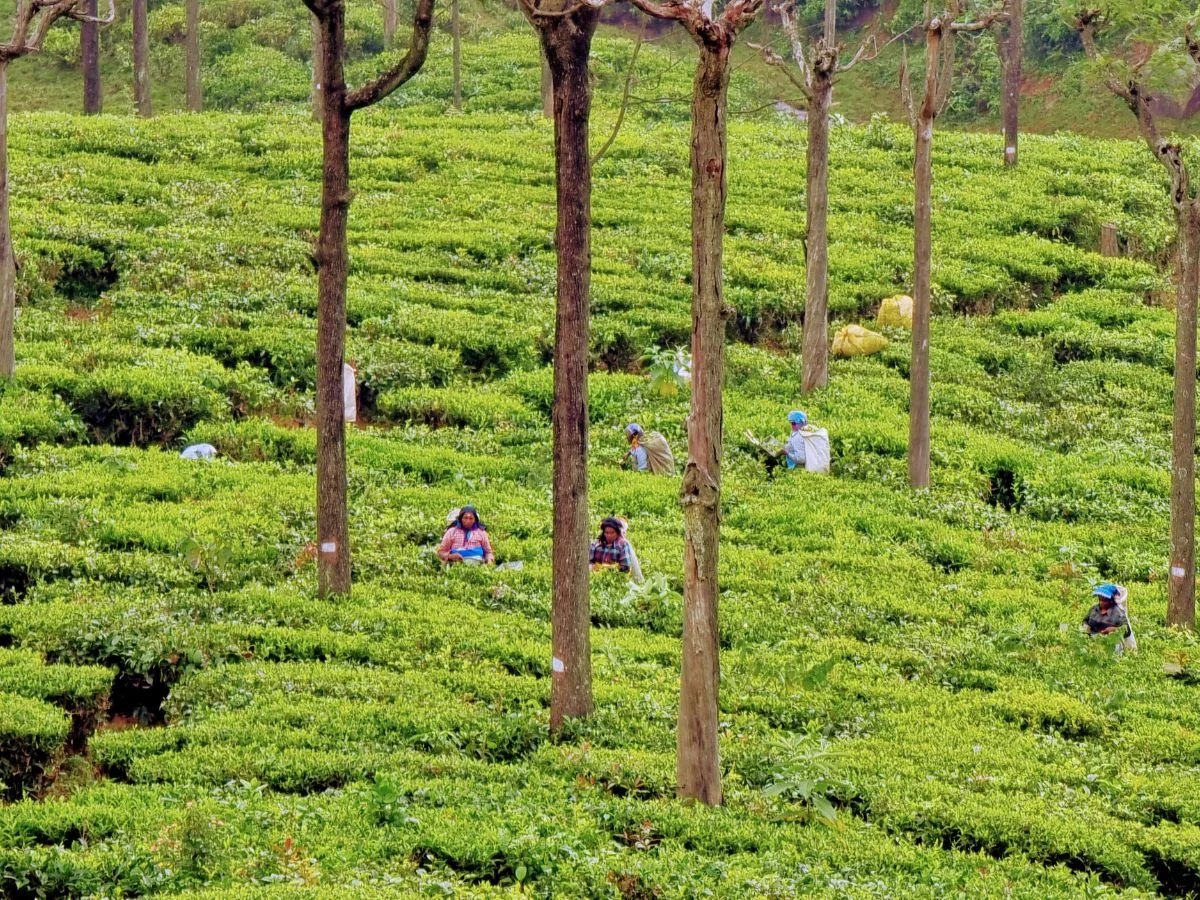
Summer is a great time to visit working tea gardens around Ooty and Coonoor. Guided walks through emerald rows of Camellia sinensis let you watch pluckers at work, learn about rolling and withering, and taste fresh brews. Many estates also let you buy loose-leaf teas directly from the source.
Trekking and nature walks
The Nilgiris offer trails to suit every level. Popular routes include Doddabetta Peak (the highest in the Nilgiris), the Catherine Falls viewpoint trek from Kotagiri, and gentle walks around Pine Forest and Elk Falls. Summer trails are generally clear, but start early to avoid afternoon clouds and brief showers.
Waterfalls and lakes
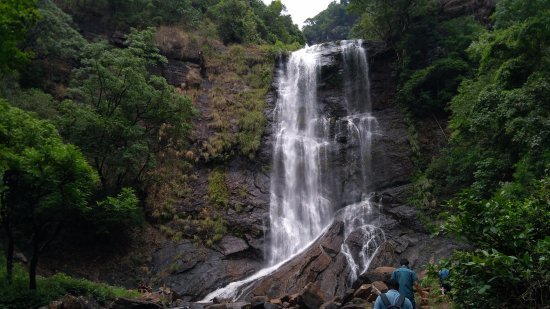
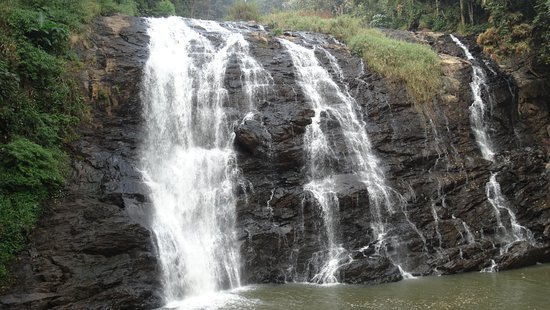
Visit Pykara Falls and Pykara Lake, Avalanche Lake and the smaller cascades near Coonoor and Kotagiri. These spots are excellent for picnics, birdwatching and photography. Remember that access to some parts may be regulated to protect wildlife—respect local guidelines.
Wildlife and birdwatching
Summer mornings are prime for spotting Nilgiri tahr on open slopes and a variety of endemic birds in shola patches. Mudumalai and Mukurthi National Parks are relatively close for day trips focused on wildlife, though organised safaris and authorised guides are recommended.
Local culture, markets and food
Stroll Ooty’s market lanes to sample homemade chocolates, local spices and Nilgiri honey. Don’t miss sampling south Indian breakfasts like idli and dosa, local steamed dishes and freshly brewed Nilgiri tea. The town’s bakeries also offer comfort food—try a steaming cup of tea with a warm omelette and bun after a misty morning walk.
Day Trips from Ooty
- Coonoor — 20–30 km away, known for Sim’s Park, tea estates and panoramic viewpoints such as Lamb’s Rock and Dolphin’s Nose.
- Kotagiri — quieter and less commercial, with trails, viewpoint sunsets and a relaxed village feel.
- Mukurthi National Park — for experienced trekkers and wildlife enthusiasts seeking Nilgiri tahr and high-altitude grasslands.
- Mudumalai and Bandipur — accessible for organised safaris and combining a wildlife experience with the cool hills.
Practical Tips for Visiting Ooty in Summer
When to go
May to June is a popular slot for Indian travellers looking to escape summer heat. May is lively with visitors due to school holidays; late June can see more clouds and occasional pre-monsoon showers. If you prefer quieter travel, consider weekdays or late June when crowds thin out slightly.
What to pack
- Light woollens or a jacket for evenings and early mornings—temperatures can dip.
- Comfortable walking shoes for trails and estate walks.
- Rain cover or compact umbrella—short showers are possible.
- Sun protection: hat, sunglasses and sunscreen for midday outdoor activities.
- Binoculars and camera for birdwatching and landscapes.
Health and safety
Ooty’s cooler climate reduces the risk of heatstroke, but sudden cloud bursts and wet paths can make trails slippery. Carry a basic first-aid kit and stay hydrated. If you have respiratory conditions, the cool, damp air may require caution; consult a doctor if unsure. Avoid venturing alone on remote trails—use authorised guides where needed.
Getting around
Local buses, taxis and rented two-wheelers are convenient for short distances. The toy train is a scenic transit option for the Mettupalayam–Ooty route but isn’t practical for every local hop. For day trips to wildlife parks or distant peaks, book a taxi or join an organised tour to ensure timely access and local knowledge.
Accommodation
Ooty has a range of stays: colonial-era bungalows, boutique hotels, family-run homestays and budget lodges. In summer, popular properties fill up fast—especially during school holidays—so book early. If you prefer tranquillity, choose a homestay in Coonoor or Kotagiri for a more private, immersive stay among tea estates.
Responsible Travel and Environmental Notes
The Nilgiris are ecologically sensitive. Help preserve fragile shola-grassland ecosystems by following marked trails, avoiding littering and saying no to single-use plastics. Respect tea estate rules and local customs. When wildlife-viewing, maintain a safe distance and avoid disturbing animals, especially during early morning and dusk when they are most active.
Tip: Carry a reusable water bottle and a small cloth bag for purchases. Small acts reduce the environmental impact and support longer-term preservation of the hills.
Sample 2-Day Summer Itinerary
- Day 1: Arrive in Ooty, check into your hotel, stroll the Botanical Gardens, enjoy an evening walk around Ooty Lake, and sample local cuisine at a nearby restaurant.
- Day 2: Early morning trip to Doddabetta Peak for sunrise, followed by a toy train ride or a visit to a tea estate. Head to Pykara Falls in the afternoon and return for a relaxed evening in town.
Seasonal Events and Local Flavours
Summer months sometimes host flower shows, cultural events and local fairs—these vary year to year. Visiting during a festival can add cultural colour to your trip, but expect larger crowds and higher rates. Food-wise, summer is perfect for tasting fresh seasonal produce like strawberries from nearby farms and warm Nilgiri tea blends.
Conclusion
Ooty stays cool in summer thanks to its elevation, forest cover, water bodies and unique topography, offering a delightful mountain retreat from the heat of the plains. Whether you seek leisurely walks in botanical gardens, scenic train journeys, tea-tasting experiences or active treks, the Nilgiris deliver a rich, refreshing summer holiday. Plan your travel with respect for the local environment, book accommodation early and allow time to simply sit back and savour the mist, the tea and the slow pace of hill life.