North Kerala vs South Kerala: Which Region Suits Your Trip?
Thinking of Kerala but unsure whether to head north or south? This guide compares landscapes, culture, activities and practical tips to help you choose the right region for your trip.
By TravMe Holidays travel team · · Updated · 6 min read
Kerala's fame as 'God's Own Country' is deservedly widespread, but the state's northern and southern regions offer distinct experiences. From the rugged hills and historic forts of North Kerala to the spice-scented highlands and tranquil backwaters of South Kerala, each region suits a different travel style. This guide helps you decide which part of Kerala matches your interests, budget and travel timeframe.
Overview: What Makes North and South Kerala Different?
North Kerala generally refers to the Malabar coast and the districts stretching from Kannur to Kozhikode and Kasaragod. It is known for its historic ports, laid-back beaches, distinctive food, Theyyam rituals and a strong Muslim and Mappila cultural influence. South Kerala typically refers to districts like Alappuzha, Kottayam, Ernakulam (Cochin), Thrissur, Idukki and Thiruvananthapuram. It is famous for its iconic backwaters, colonial history, hill stations like Munnar, and a more cosmopolitan mix.
Landscape and Natural Attractions
North Kerala
- Coastline and Beaches: Beaches in the north—like Bekal and Payyambalam—are quieter, with long sand stretches and fort ruins. The coast is less commercial and ideal for contemplative walks and local fishing-harbour visits.
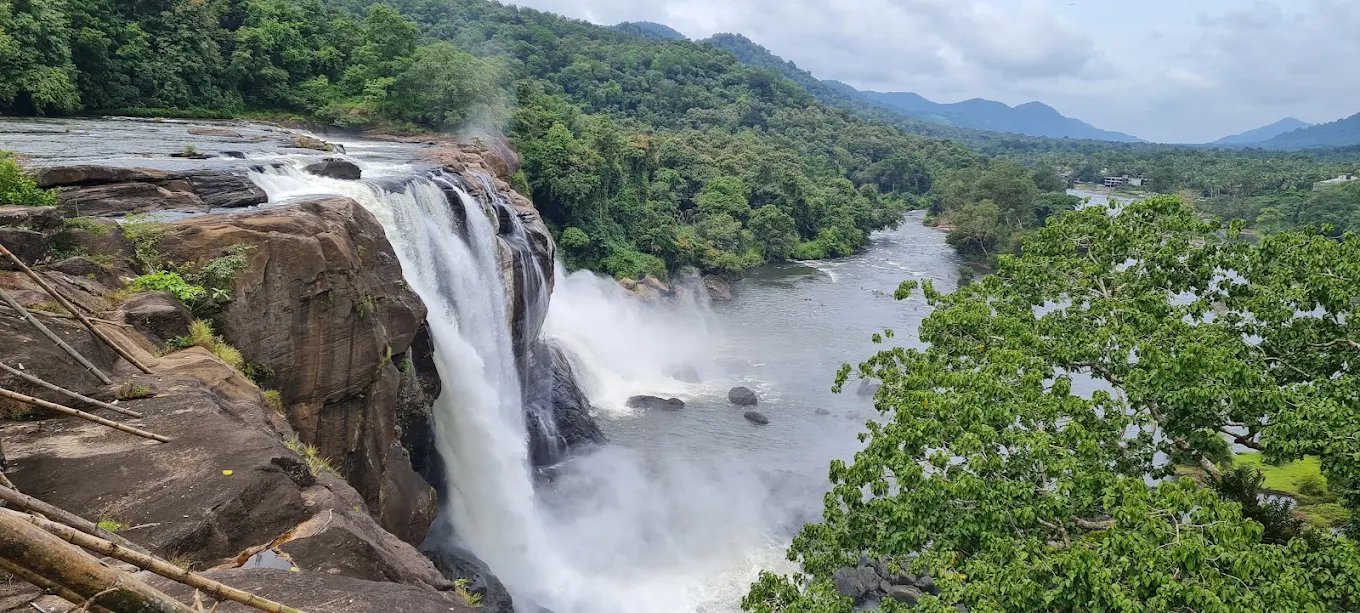
- Wayanad and Western Ghats: The northern stretch of the Western Ghats features Wayanad, offering waterfalls, caves, and spice-scented forests—excellent for trekking and wildlife watching.
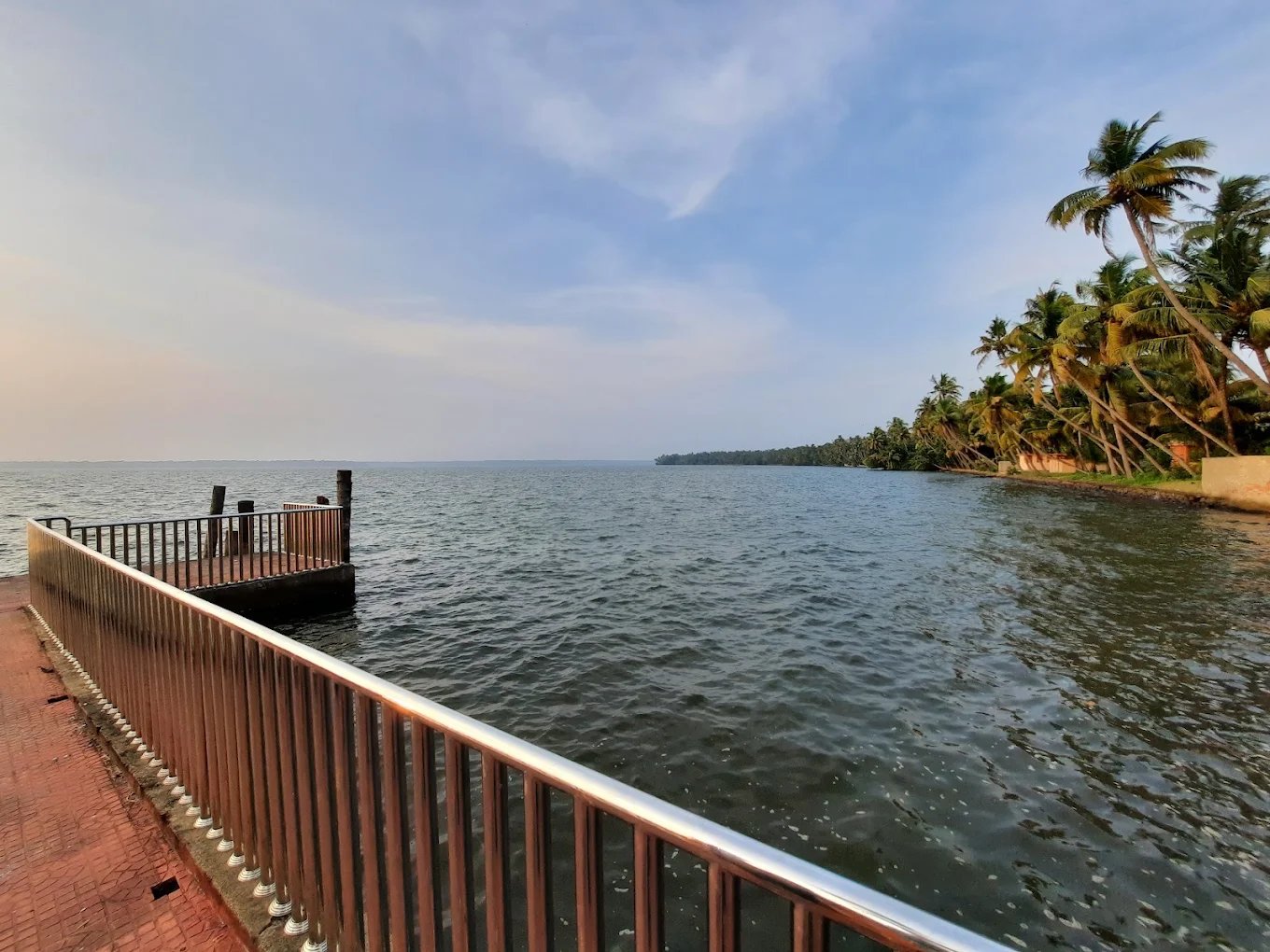
- Backwaters: There are fewer extensive backwater networks compared to the south, but places like Kadalundi and Valiyaparamba have serene inlets and island communities.
South Kerala
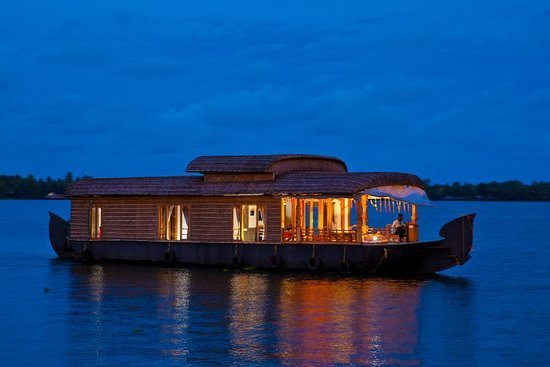
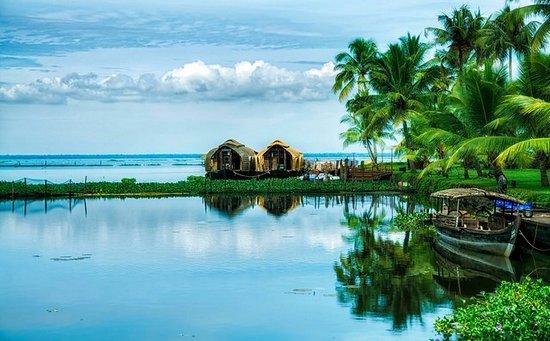
- Backwaters: Alleppey and Kumarakom are synonymous with Kerala's backwaters. Houseboat cruises through paddy-fringed canals are a defining experience.
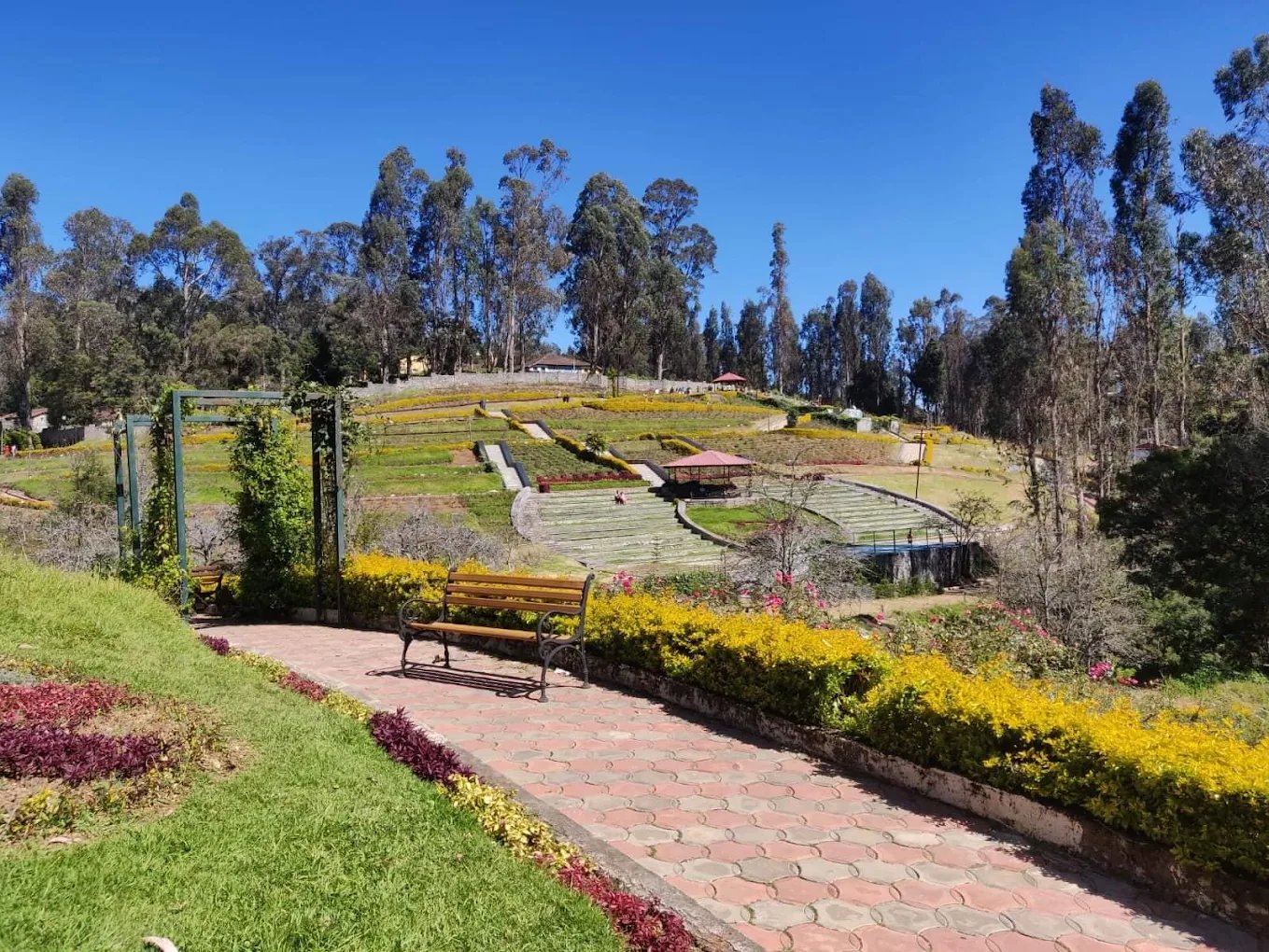
- Hill Stations: Munnar and Thekkady are in South Kerala, with tea estates, rolling hills, and wildlife sanctuaries like Periyar for elephant and bird sightings.
- Beaches and Lagoons: Kovalam and Varkala have well-developed beach tourism, with facilities for sunbathing, yoga, and Ayurvedic treatments.
Culture, Festivals and Heritage
Kerala has a rich cultural tapestry across both regions, but local flavours differ.
North Kerala Culture
- Theyyam: A living ritual art form in North Kerala, Theyyam involves elaborate costumes, face paint and possession-style performances performed in local shrines.
- Historic Architecture: Bekal Fort, St. Angelo's Fort in Kannur and old mosques and temples reflect the region's layered maritime and colonial history.
- Cuisine: Mappila cuisine centres on seafood, coconut and spices—try Malabar biriyani, pathiri and halwa varieties distinct to the north.
South Kerala Culture
- Classical Arts: Kathakali and Mohiniyattam performances are prominent, especially around Kochi and Thiruvananthapuram.
- Colonial Heritage: Fort Kochi and Mattancherry have Portuguese-Dutch-British legacies, spice markets and Jewish heritage sites.
- Cuisine: South Kerala cuisine includes rich seafood curries, appam and stew, and coconut-based gravies, with regional variations in spices and techniques.
Activities: What Can You Do?
North Kerala Activities
- Cultural Immersion: Witness Theyyam, explore local markets and attend mosque- or temple-based festivals to understand Malabar life.
- Trekking and Wildlife: Wayanad offers caves, viewpoints and wildlife corridors for birdwatching and easy-to-moderate treks.
- Fort Exploration: Visit Bekal Fort and smaller coastal forts for sunrise views and history trails.
South Kerala Activities
- Houseboat Cruises: A quintessential Kerala experience in Alleppey or Kumarakom, often combined with village visits.
- Tea Estate Walks and Nature Walks: Munnar's tea trails and Eravikulam National Park for mountain vistas and endemic flora.
- Ayurveda and Wellness: South has many reputed Ayurvedic centres offering traditional therapies and wellness packages.
Best Time to Visit
Kerala has a tropical climate influenced by the monsoon. Timing depends on what you want to do:
- October to March: Generally the best window across the state—cooler temperatures and less rainfall. Ideal for hill stations, beaches and backwater cruises.
- Monsoon Season (June to September): Excellent for Ayurvedic treatments and a quieter travel experience; some treks and boat services may be limited.
- North-Specific Considerations: Festivals like Theyyam occur seasonally—check local schedules if you want to witness them.
Accessibility and Transport
Both regions are well connected, but logistics vary by starting point and travel style.
- Air: Kochi and Thiruvananthapuram airports serve South Kerala; Kozhikode, Kannur and Mangalore (near northern tip) are gateways to North Kerala.
- Rail: Rail links run along the coast connecting major towns; inland hill stations require road transfers from nearby railheads.
- Road: Well-maintained highways link north and south through the state; hire a car or use private operators for flexible regional travel.
Who Should Choose North Kerala?
North Kerala suits travellers who:
- Prefer quieter, less commercialised beaches and local culture.
- Want to witness unique indigenous rituals such as Theyyam.
- Like exploring historic forts, spice towns and offbeat nature trails.
- Prefer a slower pace with opportunities for walks, small-town interactions and coastal photography.
Who Should Choose South Kerala?
South Kerala is ideal for travellers who:
- Want the classic Kerala backwater-and-houseboat experience.
- Prefer a mix of hill station adventures and beach relaxation in one trip.
- Are looking for established wellness and Ayurvedic centres.
- Enjoy cultural performances like Kathakali and colonial-era explorations in Fort Kochi.
Sample Itineraries
North Kerala: 5-Day Quick Cultural & Nature Break
- Day 1: Arrive Kozhikode or Kannur; evening walk along the beach or harbour.
- Day 2: Visit Bekal Fort; sunset at the fort walls.
- Day 3: Transfer to Wayanad; short treks and spice garden visit.
- Day 4: Explore caves and waterfalls; local market for Malabar specialties.
- Day 5: Return to rail/airport hub; optional stop at a coastal fishing village.
South Kerala: 7-Day Backwaters, Hills & Beach
- Day 1: Arrive Kochi; stroll Fort Kochi and evening cultural show.
- Day 2: Drive to Munnar; tea estate walk in the afternoon.
- Day 3: Explore Eravikulam or local viewpoints; head to Thekkady in the evening.
- Day 4: Boat ride in Periyar lake; spice plantation visit.
- Day 5: Drive to Alleppey; board an overnight houseboat.
- Day 6: Disembark and relax at Kumarakom or a beach resort.
- Day 7: Return to Kochi/Thiruvananthapuram for departure.
Practical Tips and Packing
- Clothing: Light cottons for the coast; layered clothing and a light jacket for hill stations. Modest attire is appreciated at religious sites.
- Footwear: Comfortable walking shoes for treks and flip-flops for beach days.
- Health: Carry mosquito repellent, sunscreen and any personal medication. If visiting during monsoon, waterproof covers and quick-dry gear are useful.
- Local Etiquette: Seek permission before photographing people in ritual spaces; remove shoes where required at temples and mosques.
Tip: If you have limited time, choose either north or south to explore deeply rather than rush through both—Kerala rewards lingering travel.
Budget Considerations
Costs in Kerala vary with accommodation choices and activities. South Kerala's popular spots such as backwaters and Munnar have a wide range of options from budget homestays to luxury resorts. North Kerala tends to be slightly less commercial in many areas, which can mean lower prices for local stays and food, though boutique experiences and guided rituals can add to the budget. Booking houseboats and guided wildlife treks in advance during peak season is advisable.
Safety and Sustainability
Kerala is generally a safe destination for solo and family travellers. Standard precautions—keeping valuables secure, following local guidance in forested areas and using licensed transport—are recommended. Choose responsible operators for backwater cruises and wildlife tours to ensure sustainable practices and minimal disturbance to communities and habitats.
Making the Choice: Quick Decision Guide
- Choose North Kerala if: You want offbeat beaches, living folk traditions like Theyyam, and a quieter cultural immersion.
- Choose South Kerala if: You want the iconic backwaters, hill station landscapes, Ayurveda and a ready-made tourist infrastructure.
Both regions offer warm hospitality, delicious food and lush landscapes. Your choice depends on what you value most—intimate cultural encounters and quieter shores, or postcard backwaters, tea gardens and easy access to wellness and performances.
Wherever you go in Kerala, take time to savour local food, chat with people in small towns, and leave space for unplanned discoveries. A slow pace will reward you with memorable moments that go beyond the itinerary.