Kerala Weather Month by Month: What to Expect and Plan For
A month-by-month guide to Kerala weather, explaining temperatures, rainfall, best activities and packing tips so you can plan the perfect trip—whether for beaches, backwaters, hill stations or Ayurveda.
By TravMe travel team · · 7 min read
Kerala’s climate is quintessentially tropical with dramatic contrasts between the coast and the highlands. Knowing what to expect each month helps you choose when to soak up the backwaters, bask on palm-fringed beaches, trek misty hills or schedule an authentic Ayurveda retreat.
Overview: Kerala’s Climate in a Nutshell
Kerala experiences a hot and humid tropical climate with two distinct monsoon seasons: the southwest monsoon (roughly May to September) and the northeast monsoon (October to December). Coastal plains stay warmer year-round, while the Western Ghats and hill stations like Munnar, Wayanad and Idukki are cooler and receive more rainfall. Temperatures vary by region but range from pleasantly cool in the highlands (around 15°C to 25°C) to hot and humid along the coast (around 25°C to 35°C).
Month-by-Month Weather Guide
January
January is one of the most pleasant months in Kerala. Cooler mornings and mild days make it ideal for sightseeing, hill-station excursions and backwater cruises. Humidity is lower and rainfall is minimal.
- Temperature: Cool mornings (18–20°C in highlands) and comfortable days (around 28–30°C on the coast).
- Best for: Houseboat cruises, tea estate walks, wildlife safaris, festival visits and beach time.
- Packing tip: Light layers for mornings and evenings, sun protection for day trips.
February
February closely mirrors January in terms of pleasant conditions. It's a great time for photography, birdwatching and outdoor activities without the heavy tourist crowds of peak season.
- Temperature: Stable and comfortable; slightly warmer than January on the coast.
- Best for: Cultural tours, backwaters, hill-station stays and wildlife parks.
- Packing tip: Breathable clothes, a light jacket for higher altitudes.
March
March marks the transition to warmer weather. Temperatures begin to rise and humidity slowly increases. The hills are still pleasant while plains heat up.
- Temperature: Rising day temperatures on the coast; cool nights in the hills.
- Best for: Beginning of trekking season in some hills, quieter beach stays before peak heat.
- Packing tip: Sunhat and sunscreen; summer clothes with a light shawl for evenings.
April
April is warm and often sunny, with increasing humidity. Vishu (Kerala’s New Year) falls in April and can be an interesting cultural experience. The higher reaches remain pleasant, making it a fine time to visit Munnar or Wayanad.
- Temperature: Hotter in the plains; hills remain cool.
- Best for: Hill escapes, cultural festivals like Vishu, early bird treks.
- Packing tip: Lightweight cottons, an umbrella for sporadic showers, and MOSQUITO protection for evenings.
May
May is typically the last month of the dry heat before the southwest monsoon arrives. Expect hot, humid conditions, especially in the coastal areas. Hill stations offer relief and are popular with domestic travellers.
- Temperature: High humidity and heat; hill stations drop 8–10°C cooler than the plains.
- Best for: Munnar, Thekkady and other high-altitude retreats.
- Packing tip: Lightweight, quick-dry clothing and rain protection toward the month’s end.
June
June usually brings the southwest monsoon to Kerala. Rainfall becomes frequent and heavy, especially in the western ghats and coastal belt. The landscape turns vivid green, but outdoor activities can be restricted by rain.
- Temperature: Cooler because of rains; humidity remains high.
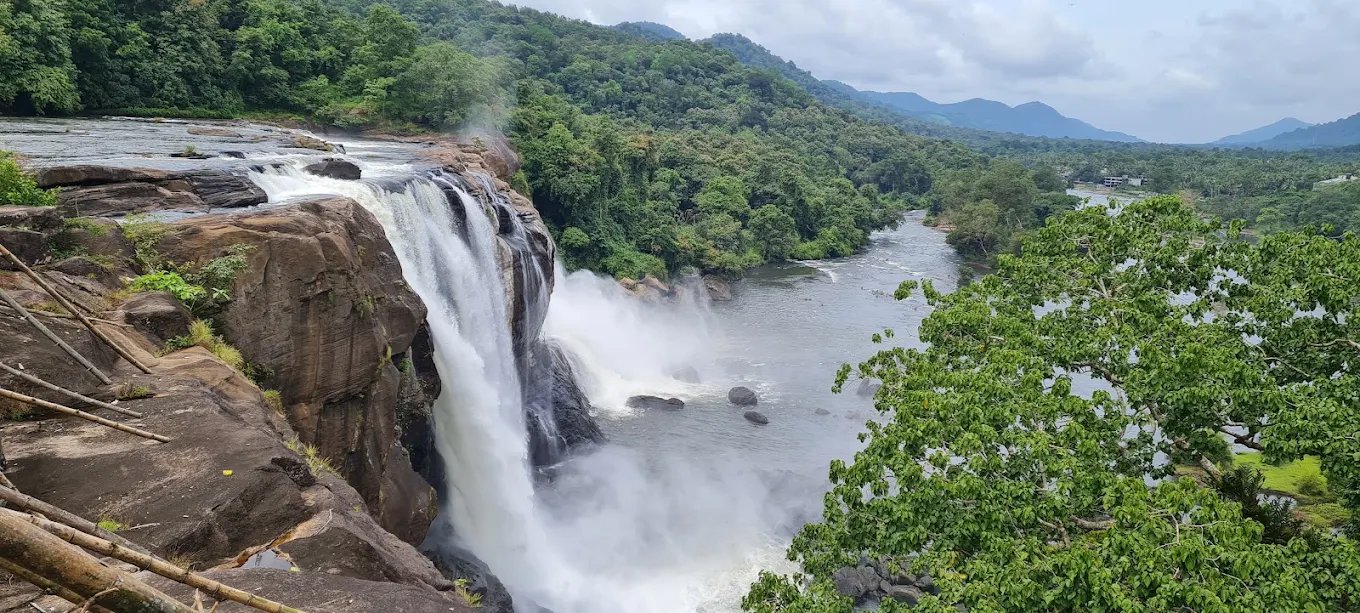
- Best for: Monsoon experiences, Ayurvedic treatments (often at discounted rates), watching gushing waterfalls.
- Packing tip: Waterproof footwear, strong raincoat, plastic covers for electronics.
July
July is typically the wettest month in many parts of Kerala. Rivers swell, and certain hill roads may become tricky. If you enjoy dramatic scenery, this is a spectacular time, but travellers should be prepared for disruptions.
- Temperature: Mild; frequent rain keeps temperatures lower than the pre-monsoon months.
- Best for: Monsoon-special Ayurvedic packages, monsoon photography and experiencing the lush landscape.
- Packing tip: Anti-fungal foot care, multiple pairs of quick-dry clothing, and sturdy sandals.
August
August continues the monsoon pattern, though by late August showers may ease in certain areas. Backwater cruises during the monsoon are atmospheric, but routes and schedules may be affected.
- Temperature: Cool and pleasant between showers.
- Best for: Rainy-season relaxation, discounted off-season travel, and witnessing nature in full bloom.
- Packing tip: Waterproof bag for important documents, insect repellent, and medications for stomach upsets if needed.
September
By September the southwest monsoon begins to retreat. Intermittent rains continue but the frequency reduces. The countryside remains lush and the waterways full—excellent for scenic drives and photography.
- Temperature: Gradually warming but still tempered by rain.
- Best for: Post-monsoon treks, less crowded tourist spots, and nature walks.
- Packing tip: Layers for variable weather and waterproof gear for occasional showers.
October
October sees the arrival of the northeast monsoon in some coastal areas, especially southern Kerala. Rainfall can be unpredictable. Temperatures start settling into a pleasant range by the end of the month.
- Temperature: Comfortable; humidity can be variable.
- Best for: Off-season travel with fewer crowds, temple festivals and cultural experiences.
- Packing tip: Mix of light clothes and a rainproof layer; comfortable shoes suitable for damp conditions.
November
November is a transitional month. Rain lessens, the air clears and the landscape is refreshed after the monsoons. This is the beginning of Kerala’s peak tourist season with pleasant days and cool nights.
- Temperature: Comfortable and ideal for outdoor activities.
- Best for: Backwaters, beaches, hill stations and wildlife spotting as animals become more active near water sources.
- Packing tip: Light layers, sunglasses and sunscreen for daytime; light warm layers for higher elevations.
December
December is one of the most popular months to visit Kerala. Festive cheer, clear skies and comfortable temperatures make it perfect for beach holidays, houseboats and exploring culturally rich towns and cities.
- Temperature: Pleasant days around mid-20s°C on the coast; cooler in the hills.
- Best for: Christmas and New Year celebrations, beach parties, and the full backwater experience.
- Packing tip: Evening wear for festive nights, sunscreen and comfortable day clothes.
Regional Variations: What the Months Mean for Different Zones
Kerala’s weather is not uniform. Choose your itinerary depending on the region:
- Coastal Kerala (Kochi, Alappuzha, Thiruvananthapuram): Hot and humid in summer, heavy rains during the southwest monsoon, relatively warmer during the northeast monsoon.
- Central plains (Kozhikode, Thrissur): Similar to coast but slightly less humid; good all-round access to culture and beaches.
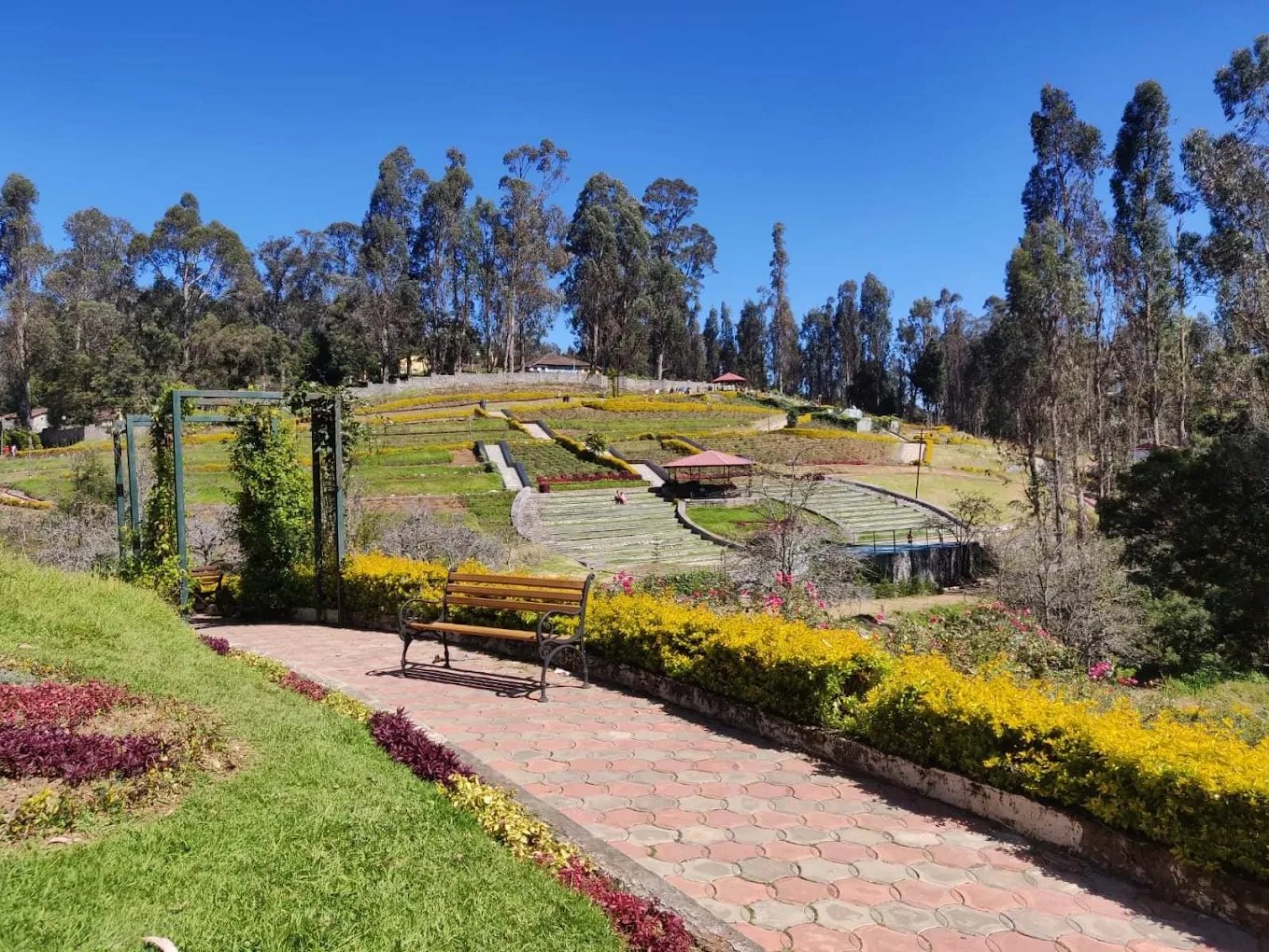
- Highlands (Munnar, Wayanad, Idukki): Cooler year-round, much heavier rainfall during monsoon months, ideal summer retreat.
Practical Tips for Planning by Month
- Book early for December–January and major festivals: Accommodation sells out fast during peak season and festival periods like Onam and Christmas.
- Monsoon travel: If you prefer to travel during the rains, plan flexible itineraries, allow extra travel time and opt for experienced local operators for boat rides and treks.
- Health and safety: Carry mosquito repellent year-round, stay hydrated in the hotter months, and follow safety advice during heavy rains and flooding.
- Transport: Roads can be affected during heavy monsoon spells; train and flight services usually operate but check schedules and allow buffer time.
- Best value: Late August to mid-October often offers lower prices and fewer tourists without the extremes of monsoon or peak season crowds.
Tip: If Ayurveda is a priority, the monsoon and post-monsoon months are considered excellent for treatments due to the body’s response to cooler, humid conditions—consult a qualified practitioner before booking.
Packing Checklist, Month-Specific
Here are essentials tailored to the seasons:
- All year: Lightweight breathable clothing, sunscreen, sunglasses, hat, reusable water bottle, basic medicines.
- Monsoon months (May–September, October): Waterproof jacket, quick-dry clothing, waterproof phone pouch, mosquito repellent, sturdy non-slip footwear.
- Winter/peak (December–February): Light woollen or warm layers for hill stations and cool nights, especially above 1,000 m.
Choosing the Best Month for Your Interests
- Beaches & Water Sports: November to March for calm seas and clear skies.
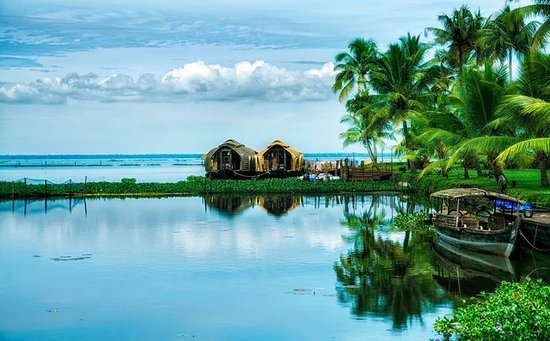
- Backwaters & Houseboats: November to February for ideal cruising conditions; monsoon months for a dramatic, quieter experience.
- Hill Stations and Tea Plantations: March to May and September to November for pleasant weather and clear views.
- Ayurveda & Wellness: May (pre-monsoon), June to September (monsoon) and post-monsoon months when treatments are considered especially effective.
- Festivals & Culture: April (Vishu), August–September (Onam) and April–May for temple festivals like Thrissur Pooram.
Conclusion
Kerala offers great travel experiences year-round if you align your interests with the weather. For sun and sand, aim for November to March. For dramatic greenery, rejuvenating Ayurveda and quieter travel, the monsoon months are a tempting choice. The hill stations provide reliable relief from the heat at most times of the year. With some seasonal planning, you can pick the perfect month to discover Kerala’s serene backwaters, vibrant culture and evergreen landscapes.