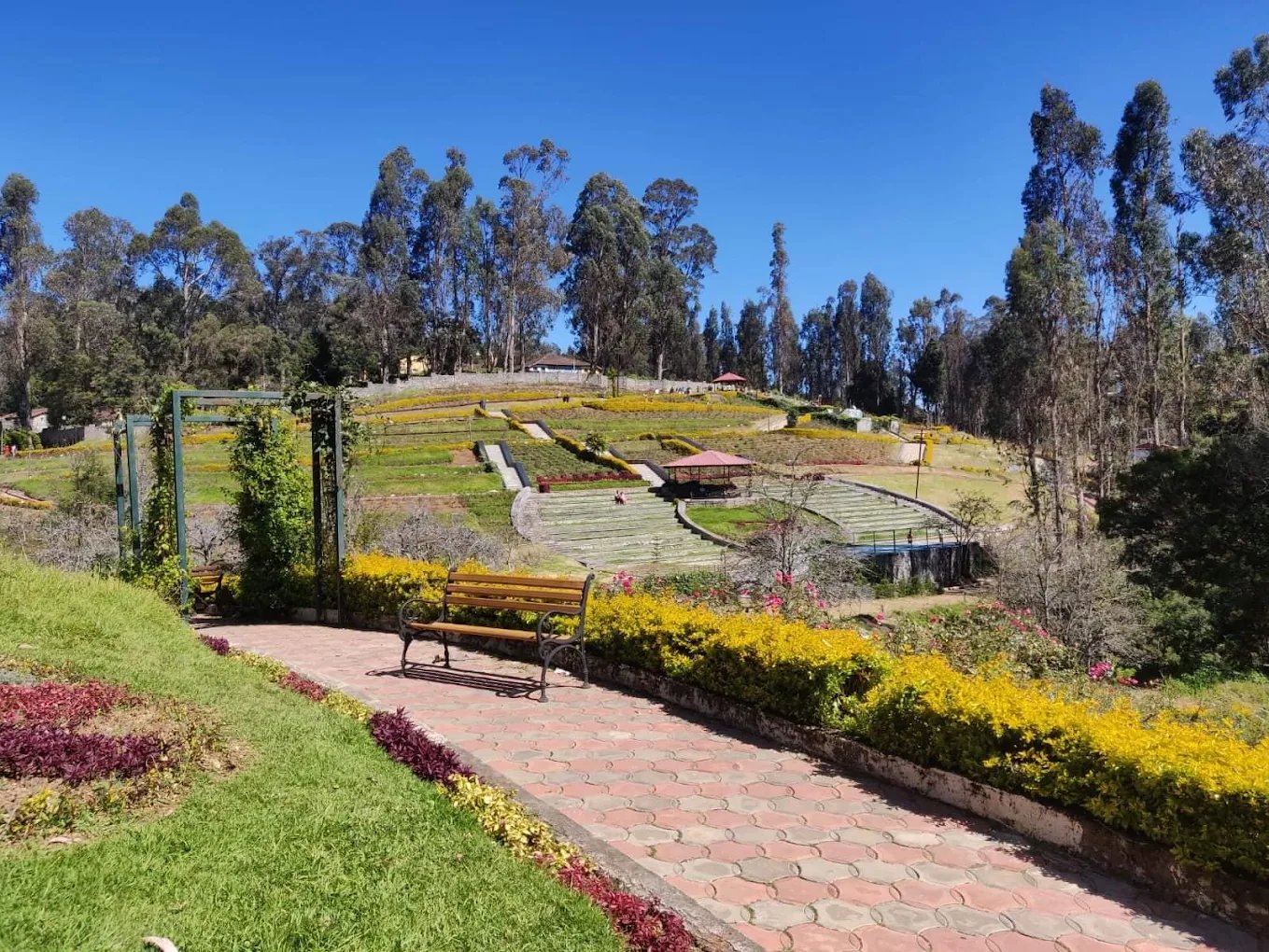
Kerala Travel Mistakes First-Timers Should Avoid
Avoid common pitfalls on your first trip to Kerala with practical advice on timing, packing, transport, accommodation, food, local customs and eco-friendly travel to make your holiday smooth and memorable.
By TravMe Holidays travel team · · Updated · 6 min read
Kerala is a beguiling mosaic of emerald backwaters, misty hills, tea gardens and vibrant cultural traditions. For first-time visitors the state feels welcoming yet unlike any other part of India — but some well-meaning mistakes can dull the experience. This guide highlights common travel errors and gives practical, easily actionable tips so your Kerala holiday stays relaxed, safe and truly memorable.
1. Misjudging the Best Time to Visit
Kerala’s climate is tropical and marked by two monsoon seasons. Many travellers either avoid the state entirely during monsoon or arrive expecting a nonstop rain show. Both approaches miss the nuance.
- Peak season (December–February): Pleasant weather, ideal for beaches and hill stations but also the busiest and more expensive period.
- Pre-monsoon and monsoon (May–September): Heavy rains transform landscapes and are perfect for Ayurveda treatments and quieter backwaters. Some hill treks and boat services may be restricted.
- Inter-monsoon and post-monsoon: Shoulder months can offer fewer crowds and lush scenery, but check local forecasts for flooding or road closures.
Tip: If you want beaches and hills, plan December–February; for spa, Ayurvedic therapies or a tropical, green experience, consider the monsoon months but confirm services in advance.
2. Overpacking or Underpacking the Wrong Things
Many first-timers either bring heavy winter clothing or only summer wear. Kerala’s temperature varies with altitude and humidity, so pack smartly:
- Light, breathable cottons for lowlands and coastal areas.
- A light rain jacket and quick-dry garments, especially during monsoon and shoulder seasons.
- One warmer layer for hill stations like Munnar or Wayanad where mornings can be chilly.
- Comfortable, slip-resistant footwear for monsoon-slick paths and boat trips; open sandals for beaches.
- Sun protection: hat, sunglasses, and reef-safe sunscreen.
Avoid overpacking fragile or formal clothing unless you have specific plans that require them.
3. Trying to Do Too Much in Too Little Time
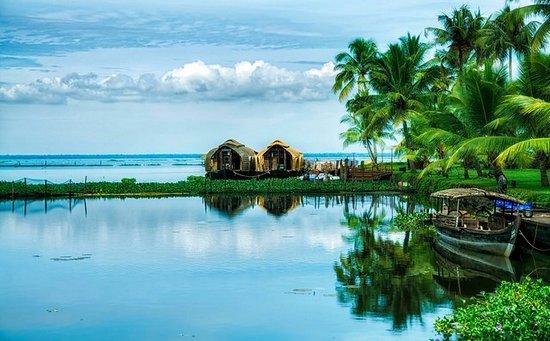
Kerala’s charm often lies in slow, sensory experiences: sipping tea at sunrise, drifting on a houseboat, or watching a kathakali performance. A packed itinerary crisscrossing the state can become exhausting.
- Focus on a region: Choose between the coast and backwaters, the hill stations, and the southern cultural triangle rather than trying to cover everything in one short visit.
- Allow downtime: Build in unplanned hours for relaxed meals, short walks, and spontaneous discoveries.
- Factor in travel time: Roads can be winding and longer than they appear on the map.
4. Not Understanding Local Transport Realities
Kerala has a decent network of buses, trains and ferries, but first-timers may misjudge comfort levels, schedules and practicality.
- Trains are efficient for longer distances—book in advance for reserved seating.
- State buses are economical but can be crowded; private taxis and app-based cabs offer comfort and flexibility.
- Ferries and houseboats are essential in the backwaters—confirm pick-up and drop-off points and timings beforehand.
Tip: For scenic hill journeys, consider hiring a car with a local driver who knows the terrain and weather variations.
5. Choosing the Wrong Kind of Accommodation
Kerala offers everything from homestays and boutique heritage hotels to international chains and houseboats. The mistake is often mismatching expectations.
- Houseboats: Great for one or two nights as a leisurely experience; for longer stays, split time between a backwater hotel and a houseboat.
- Homestays: Offer cultural immersion but check reviews for cleanliness and food standards if you have dietary needs.
- Hill station stays: Both tea estate bungalows and modern resorts exist—verify heating and hot water if you visit in cooler months.
6. Ignoring Local Food Etiquette and Safety
Kerala cuisine is a highlight: spicy curries, seafood, banana leaf meals and fresh toddy if you are adventurous. Common errors include overeating from unfamiliar spice levels or eating from unhygienic stalls without precautions.
- Start with mild versions of spicy dishes and ask for adjustments.
- Stick to busy, well-reviewed eateries for street food; watch for hygiene and freshness, especially with seafood.
- If you have stomach sensitivities, carry basic medications and drink bottled water or boiled water; many hotels filter water safely.
7. Disrespecting Cultural Norms and Local Customs
Kerala is socially conservative in many respects. Simple awareness will help you avoid awkward moments.
- Dress modestly when visiting temples and traditional families; women may be expected to cover their shoulders and wear skirts or lungis in some temples.
- Remove footwear and hats when entering places of worship.
- Ask before photographing people, particularly in rural communities and during rituals.
8. Backwater and Boat Safety Oversights
Gliding along the backwaters is idyllic, but safety should not be an afterthought.
- Always check that your boat has life jackets and basic safety equipment.
- Confirm fuel availability and the captain’s experience if you’re booking a private trip, especially for longer cruises or night journeys.
- For houseboats, ensure cook and crew have good hygiene practices and that food is freshly prepared.
9. Neglecting Wildlife and Eco-Friendly Practices
Kerala’s national parks and coastal ecosystems are fragile. Common mistakes include littering, feeding wildlife and ignoring park rules.
- Follow park guidance on keeping distance from animals and never feed them.
- Carry a reusable bottle and avoid single-use plastics to reduce waste.
- Choose responsible operators for activities like elephant camps or boat tours, and prefer sanctuaries over unethical wildlife encounters.
10. Falling for Common Scams and Overpaying
Tourist scams are rarer in Kerala than in many big cities, but common pitfalls persist: inflated taxi fares, souvenir overpricing or unnecessary guide fees. Preparation limits exposure.
- Agree fares in advance for taxis and autorickshaws or use app-based options where available.
- Compare souvenir prices at two or three shops; bargaining is acceptable at markets but be polite.
- Use official guides or trusted recommendations for temple tours and cultural shows.
11. Underestimating Connectivity and Power Needs
Internet and mobile coverage are generally good in cities and tourist hubs, but rural backwaters and hill tracts can be patchy. Power cuts are uncommon but possible in remote locations.
- Carry a portable power bank and universal adaptor for longer journeys.
- Download maps, tickets and confirmations to your phone for offline use.
12. Not Respecting Local Seasons for Activities
Certain experiences depend heavily on seasonal conditions. Expect limited whale-watching or certain boat routes during heavy rain, and check for festival dates if you want to attend cultural performances.
- Confirm the availability of tea estate tours and tribal treks in high rainfall months.
- Plan ahead for festivals like Onam if you want to witness local celebrations—accommodation fills up early.
Good preparation makes Kerala’s relaxed pace and natural beauty more enjoyable; avoid rushing and be mindful of local customs and ecology.
Quick Practical Checklist Before You Go
- Check weather and monsoon forecasts for your travel window.
- Book key transport and accommodation in advance during peak or festival seasons.
- Pack light layers, rain protection and comfortable footwear.
- Confirm houseboat and ferry timings and safety equipment.
- Carry basic medicines, a power bank and photocopies of important documents.
- Learn a few Malayalam words—thank you (nanni) and hello (namaskaram) go a long way.
Conclusion
Kerala rewards travellers who slow down, show respect and plan sensibly. Avoiding these common first-time mistakes — from poor timing and overambitious itineraries to forgetting basic safety and local etiquette — will help you experience Kerala at its best: lush, hospitable and unforgettable. Travelling responsibly and with curiosity will leave you with vivid memories of coconut-lined canals, misty tea gardens and warm hospitality that define God’s Own Country.