Kerala Itinerary Without Munnar: Backwaters, Beaches and Heritage
Explore Kerala beyond Munnar with a curated itinerary that blends the tranquil backwaters, palm-fringed beaches, and rich heritage towns. Ideal for 6–9 days of immersive experiences.
By TravMe Holidays travel team · · Updated · 7 min read
Kerala is more than its famed hill stations. If you're skipping Munnar, you can still experience the state's soul through languid backwaters, golden beaches, spice-scented towns and living heritage. This itinerary balances relaxed travel with cultural depth, suitable for 6–9 days depending on your pace.
Why choose Kerala without Munnar?
Many travellers associate Kerala primarily with its hill stations, but the state's coastal plains, estuaries and historic towns offer a diverse palette of experiences. Without the hill detour you save travel time, allowing deeper immersion in the backwaters, culinary scenes, beach life and centuries-old architecture. This itinerary is designed for slow travel — perfect for families, couples, solo travellers and culture seekers.
Best time to travel
Kerala is pleasant year-round, but the most comfortable months for backwaters and beaches are November to February when humidity is lower and temperatures are mild. Monsoon (June to September) transforms the landscape into vivid green and is ideal if you seek Ayurveda treatments and a quieter, contemplative trip. Avoid the peak summer months if you dislike heat and humidity.
How to use this itinerary
This plan offers a 7-day core route with optional extensions to make it a 6- or 9-day trip. Travel between destinations is by private car, taxi or public transport depending on your preference. Local ferries and short boat rides are integrated where relevant.
7-Day Kerala itinerary (No Munnar)
Day 1: Arrival in Kochi — Gateway to Kerala
Arrive at Kochi (Cochin), check into a heritage hotel in Fort Kochi or a boutique property in Mattancherry. Spend the afternoon exploring the colonial-era lanes, Chinese fishing nets and St. Francis Church. Head to Jew Town for antique shops and the Paradesi Synagogue. In the evening, enjoy a Kathakali or Kalaripayattu performance — a perfect cultural primer.
Day 2: Kochi — Culture, Spice Trails and Local Flavours
Start with a guided walk through Fort Kochi to learn about the Portuguese, Dutch and British influences. Visit the Dutch Palace and the Jewish synagogue for their murals and history. For food, try a local seafood thali or street snacks like pazhampori (banana fritters). Consider a spice market visit in Mattancherry to understand Kerala's historic role in global spice trade.
Day 3: Kochi to Alleppey — Enter the Backwaters
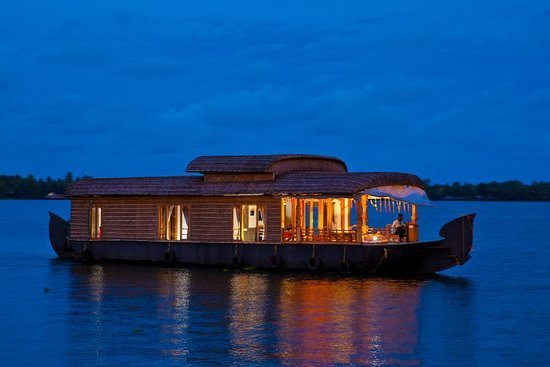
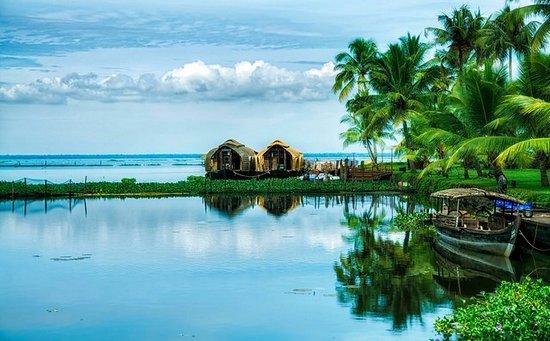
Drive to Alleppey (Alappuzha), the gateway to Kerala’s backwaters. Check into a houseboat for an overnight cruise or a luxury backwater resort if you prefer not to stay aboard. Glide past paddy fields, villages, coconut groves and narrow canals. Meals on houseboats are typically freshly prepared, highlighting rice, fish, coconut and local vegetables.
Day 4: Alleppey to Kumarakom — Lakeside Calm
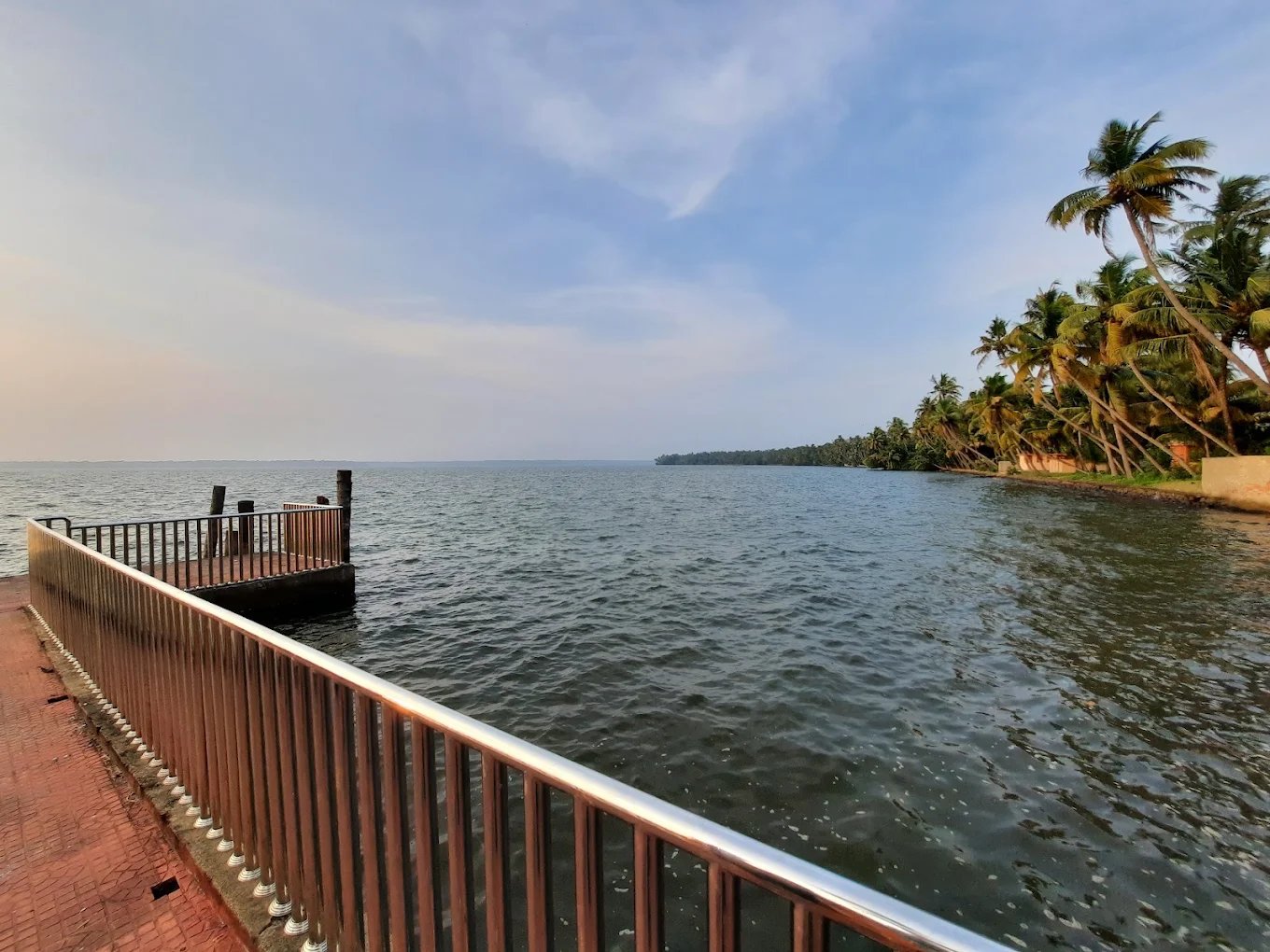
After a relaxed morning, travel to Kumarakom on the banks of Vembanad Lake. Stay at a lakeside resort or a homestay. Explore the Kumarakom Bird Sanctuary by boat in the early morning to spot migratory birds. Spend the afternoon reading by the lake or taking a village cycling tour to see daily life up close.
Day 5: Kumarakom to Kollam via Backwater Routes
For a longer backwater experience, travel southwards to Kollam, known for its Ashtamudi Lake. Choose a day cruise or overnight stay in a farmhouse or backwater resort. This less-touristy stretch offers authentic views of fishing communities, coir-making units and narrow canals lined with coconut palms.
Day 6: Kollam to Varkala — Clifftop Beaches and Yoga
Drive to Varkala, a charming coastal town with cliffs overlooking the Arabian Sea. Varkala’s relaxed vibe, yoga centres and Ayurvedic clinics make it a great place to unwind. Walk along the cliff promenade, jump into the sea from the rock ledges, and enjoy fresh seafood at seaside shacks. Watch the sunset from a café with a view.
Day 7: Varkala to Trivandrum — Heritage and Departure
Head to Thiruvananthapuram (Trivandrum) — Kerala's capital — for heritage sights like the Sree Padmanabhaswamy Temple (note dress codes and entry rules) and Napier Museum. If your flight schedule allows, stroll through local markets for spices, banana chips and handicrafts. Depart from Trivandrum or return to Kochi depending on your flight plans.
Optional extensions
- 4–5 days extra for Wayanad: If you later decide to add hills, Wayanad offers forests, wildlife and tribal culture closer to the northern Malabar region.
- 2–3 days for Bekal or Kovalam: Bekal Fort in the north offers a dramatic coastal fort experience; Kovalam is a classic beach resort near Trivandrum with three distinct beaches.
- 2–3 days for Malabar: Kozhikode & Kannur: Explore northern Kerala’s distinct culture, Theyyam performances and lesser-known beaches.
Where to stay — suggestions by mood
- Heritage stays: Fort Kochi and Mattancherry have converted colonial houses and boutique hotels that are great for culture lovers.
- Backwater experience: Overnight houseboats are iconic, while lakeside resorts in Kumarakom and Alleppey are comfortable for families.
- Beach stays: Varkala and Kovalam offer cliff or beachside hotels and budget guesthouses with sea views.
- Budget options: Homestays and guesthouses in small towns and villages give authentic experiences and local hospitality.
Transport tips
- Inter-city travel: Private car hires and taxis are the most flexible. Trains and state-run buses connect major towns for budget-conscious travellers.
- Local mobility: Auto-rickshaws and cycle-rickshaws are ubiquitous in towns; negotiate fares or insist on the meter where applicable.
- Boat travel: Local ferries are an inexpensive way to cross backwater channels. Houseboats and private day cruisers need prior booking during peak season.
Food and drink — what to try
Kerala cuisine is a celebration of coconut, spices, rice and fresh seafood. Don't miss:
- Traditional sadya (vegetarian feast) served on a banana leaf during festivals or special meals.
- Karimeen pollichathu (pearl spot fish wrapped and grilled) — a coastal favourite.
- Appam with stew or egg curry for breakfast; idiappam with coconut milk and sugar is another regional staple.
- Street snacks: banana chips, pazhampori and locally brewed tea served in small cups.
Health, safety and responsible travel
- Stay hydrated and carry sunscreen and a hat; coastal sun can be intense even when it's breezy.
- If you're taking Ayurvedic treatments, consult a qualified practitioner and disclose health conditions.
- Respect local customs — dress modestly when visiting temples and smaller villages; remove shoes where required.
- Support local economies by choosing local guides, buying handicrafts and staying in homestays when possible.
- Avoid disturbing wildlife and respect fishing communities' spaces when photographing or visiting.
Packing checklist
- Light cotton clothing, swimwear, a light rain jacket during monsoon months.
- Comfortable sandals for beaches and walking shoes for town exploration.
- Mosquito repellent, basic first-aid kit and any personal medications.
- Reusable water bottle, sunscreen, sunglasses and a wide-brimmed hat.
- Portable charger, power adapter and waterproof bags for electronics when you're on houseboats.
Sample daily rhythm for relaxed travel
Kerala travel is best savoured slowly. A gentle daily rhythm might be:
- Early morning boat ride or birdwatching
- Late breakfast with local specialities
- Midday rest or gentle exploration of a town or market
- Afternoon activity: cooking class, Ayurveda session, or village walk
- Sunset at the beach or a clifftop café, followed by a leisurely dinner
Kerala’s charm is in its unhurried pace — allow yourself time to simply be in the landscape, taste the food and chat with locals.
Practical booking tips
- Book houseboats and popular boutique properties in advance, especially during peak season and long weekends.
- Check cancellation and refund policies for resorts and cruises, as weather can influence schedules during monsoon months.
- Use local tourist information offices or trusted operators for nature and cultural tours to ensure ethical practices and fair prices.
Suggested variations for different travellers
- Families: Choose larger backwater resorts with child-friendly facilities and consider shorter boat trips for younger children.
- Couples: Opt for private houseboats, cliffside dinners in Varkala and intimate heritage homestays in Fort Kochi.
- Solo travellers: Kerala is generally safe and friendly; stay in well-reviewed homestays and join group tours for village walks or cooking classes.
- Wellness seekers: Focus on Ayurveda centres in Kovalam, Varkala or select backwater resorts that offer authentic treatments.
This Kerala itinerary without Munnar is designed to deepen your connection with the coastal ecology, cultural history and culinary riches of the state. Whether you glide through backwater canals, watch fishermen haul nets at dusk or trace spice routes in old towns, you’ll leave with a layered, memorable experience of God’s Own Country.
Conclusion: Skip the hills and embrace the coasts, canals and cultural heart of Kerala. With this plan you can relax into a slower pace, discover local traditions and return home refreshed and enriched.