Kerala by Train: Scenic Rail Routes and Useful Stations
Explore Kerala by train with an insider’s guide to scenic routes, key stations and practical travel tips — from the backwater views at Alappuzha to the forested Nilambur branch and the Kollam ghatline.
By TravMe Holidays travel team · · Updated · 7 min read
Travelling through Kerala by train is a wonderfully unhurried way to experience the state’s diverse landscapes — coconut-fringed coasts, shimmering backwaters, tropical forests and the rolling foothills of the Western Ghats. Indian Railways serves Kerala with a network of main lines and charming branch routes that are as useful for point-to-point travel as they are for soaking in scenery. This guide maps the most scenic rail journeys, highlights useful stations and offers practical tips to plan a train-based Kerala itinerary.
Why choose train travel in Kerala?
Trains in Kerala are often the most comfortable, economical and scenic option. They link major cities and towns while offering windows onto beaches, paddy fields and backwaters that you’ll miss from the highway. For domestic travellers and rail enthusiasts, Kerala’s routes present a pleasant mix of long-distance expresses, overnight trains and short picturesque branch lines suited to day trips.
Most scenic rail routes in Kerala
Several routes across Kerala are particularly notable for their scenery. Here are the standout journeys that you should consider including in your travel plans.
Kollam–Sengottai (Kollam–Punalur–Sengottai) — the Ghats and dense forests
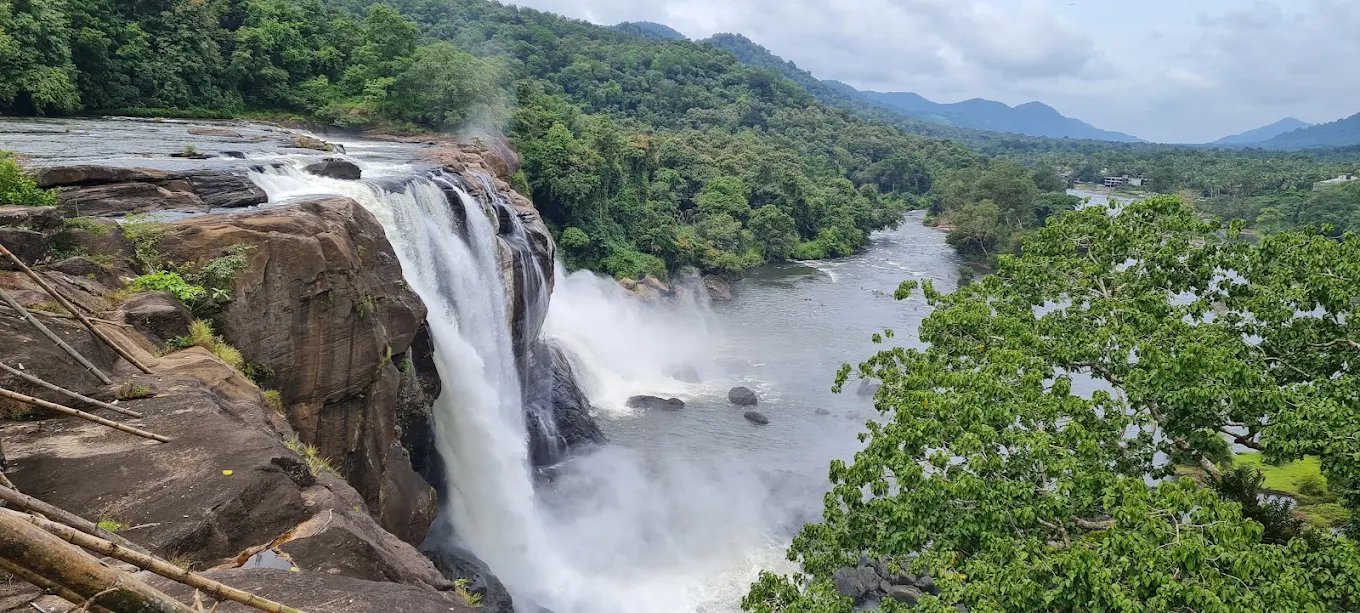
This line, historically part of the Quilon–Sengottai metre-gauge alignment now converted to broad gauge, climbs into the Western Ghats via steep gradients, tunnels and several bridges. The stretch between Kollam and Punalur is especially scenic: you’ll pass through thick forest, small waterfalls in the monsoon and vantage points offering sweeping views of the valley. This is a favourite for nature lovers and photographers who want a less-travelled rail experience.
Shoranur–Nilambur Road — teak forests and rural Kerala
The short branch line from Shoranur Junction to Nilambur Road is one of Kerala’s most charming railways. The route runs through extensive teak plantations and rural countryside. It’s perfect for a half-day diversion: Nilambur town is close to small heritage sites and forest trails, and the slow, local train offers an intimate view of village life.
Coastal route: Mangalore–Kozhikode–Kochi–Alappuzha — beaches and backwaters
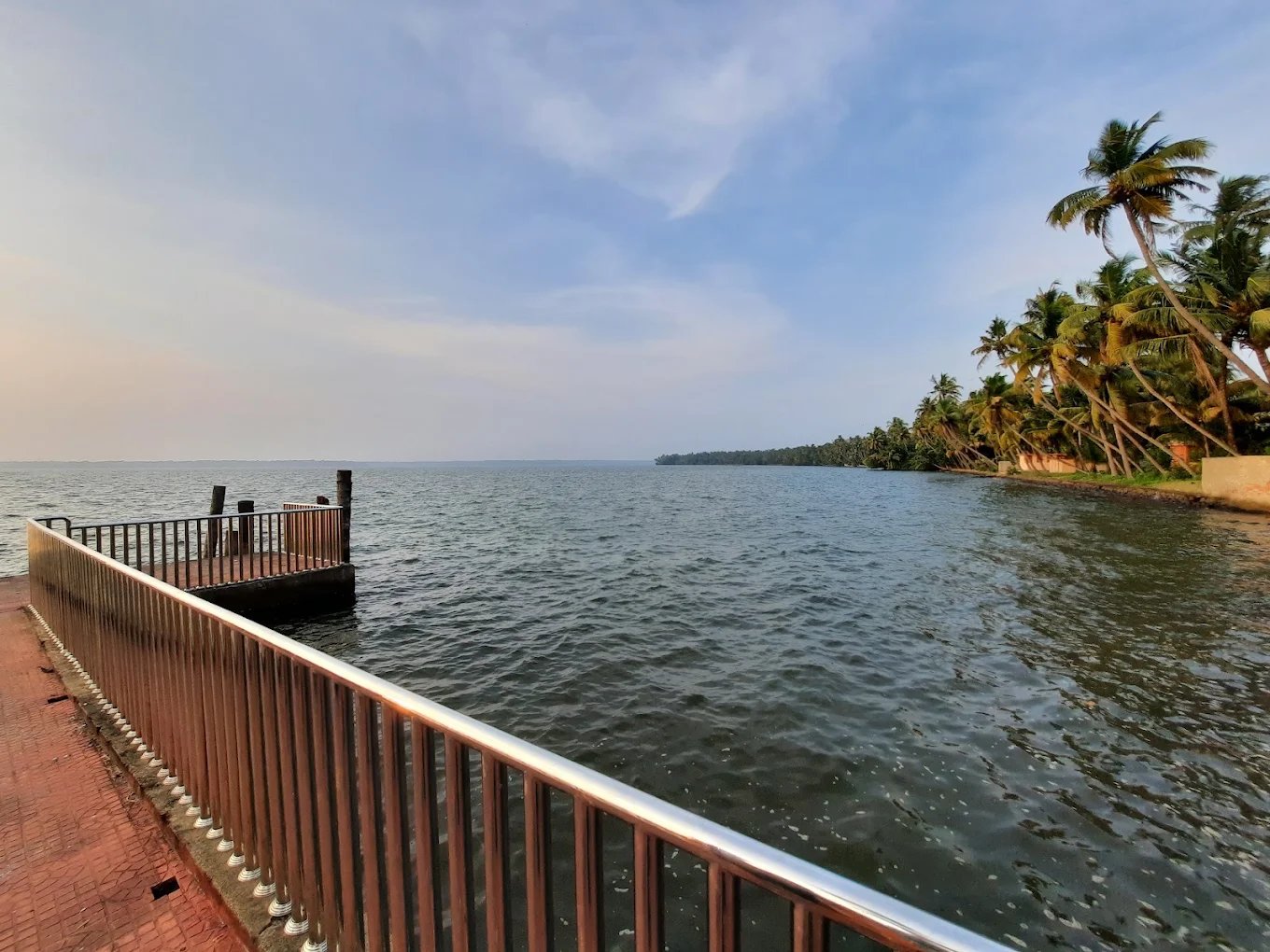
The main coastal corridor along north and central Kerala showcases the state’s shoreline and backwater systems. Between Kannur, Kozhikode and Ernakulam, the line skirts beaches, fishing hamlets and estuaries. Alappuzha station, in particular, sits close to the famous backwaters and is an excellent gateway for cruises and houseboat experiences. Daytime trains on this route deliver uninterrupted coastal vistas.
Thiruvananthapuram–Kollam–Alappuzha–Ernakulam — south to central Kerala
The southern trunk line connects Kerala’s capital, Thiruvananthapuram (Trivandrum), with central Kerala. This route passes through a mix of urban stretches and green coastlines. Travelling mornings or late afternoons can reward you with golden light over paddy fields and palm groves.
Key stations and what makes them useful
Below are the major stations where you are most likely to board, disembark or change trains, along with practical notes on how they fit into travel plans.
Thiruvananthapuram Central (TVC)
Kerala’s southern hub, Thiruvananthapuram Central, is the primary gateway for air and rail travellers in the south. It offers good connectivity to the rest of the state and long-distance trains to major Indian cities. From here you can access Kovalam beaches, Padmanabhaswamy Temple and nearby hill towns by road.
Kollam Junction (QLN)
Kollam is the starting point for the scenic ghats to Punalur and an entry to Kerala’s backwater stretches. The station has multiple platforms and decent passenger facilities. It’s useful when travelling to the southern backwaters or planning the Kollam–Alappuzha boat route.
Alappuzha (ALLP)
Alappuzha station is the primary rail access for the backwaters and houseboat terminals. It is small and convenient — often the best choice if your aim is a backwater stay rather than city sightseeing. Tuk-tuks and boat jetties are readily available from the station.
Ernakulam Junction (ERS) and Ernakulam Town (ERN)
Ernakulam Junction (often called Ernakulam South) and Ernakulam Town (Ernakulam North) together serve Kochi. Mainline expresses generally stop at Ernakulam Junction. These stations connect to local transport for Fort Kochi, Mattancherry and the city’s ferry terminals.
Thrissur (TCR)
Thrissur is the cultural heart of Kerala and a major junction. It’s ideal for travellers interested in temple festivals, local cuisine and traditional art forms. The station has good onward connections to central and northern Kerala.
Shoranur Junction (SRR)
A pivotal interchange in Kerala’s rail map, Shoranur Junction connects north–south and the Nilambur branch. Many long-distance trains stop here, making it a practical transfer point for travellers heading into Malabar or the Nilambur area.
Palakkad Junction (PGT)
Palakkad provides an entry to the Palakkad Gap and is the jump-off point for travellers en route to Coimbatore in neighbouring Tamil Nadu. It’s also useful for those wanting to access the eastern plains and the foothills of the Ghats.
Kozhikode (CLT) and Kannur (CAN)
These northern stations serve major beach towns and cultural centres in Malabar. Kozhikode is well placed for historical walks and culinary tours; Kannur acts as a beach and fort gateway with good links to the northern coast.
Practical travel tips for train journeys in Kerala
- Book in advance: Popular routes and sleeper berths fill up quickly, especially during festivals and peak season (December–February). Use IRCTC or authorised agents for reservations.
- Choose the right train: Overnight sleeper and AC coaches are comfortable for longer distances; day trains offer scenic views. Local passenger trains are the best for short scenic branch lines.
- Seat selection: For coastal or backwater views, reserve a window seat on the right or left depending on direction — platforms and announcements usually help. For shanty-town and village views, mornings are best.
- Pack essentials: Water, snacks, a travel blanket for AC coaches, power bank and earplugs can make a big difference. Food is available at station stalls, but carry light meals for remote stretches.
- Last-mile connectivity: Auto-rickshaws, taxis and app cabs are widely available from major stations. At smaller stations, pre-booked transfers or station taxis are recommended after dark.
- Safety and health: Keep belongings close, especially on crowded platforms. Monsoon season brings heavy rains and occasional delays — plan buffer time and waterproof gear.
- Photography and etiquette: Trains offer great photo opportunities. Be respectful of fellow passengers and local communities when shooting from platforms or open windows.
Suggested train-based itineraries
Here are a few itinerary ideas that make excellent use of Kerala’s rail network.
Coastal Highlights: Thiruvananthapuram to Kozhikode (3–4 days)
- Start at Thiruvananthapuram Central for beaches and temples.
- Take a morning train to Kollam, explore backwaters and continue to Alappuzha for a houseboat night.
- Proceed to Ernakulam for a day in Kochi, then board a daytime train up the coast to Kozhikode for historic walks and Malabar cuisine.
Forest and Ghats: Kollam–Punalur–Shoranur (2–3 days)
- Catch the Kollam–Punalur train for the ghat section and spend time around Punalur for nature walks.
- Return via Shoranur and take the Nilambur branch for an immersive teak-forest experience and a relaxed village visit.
Culture and Central Kerala: Kochi–Thrissur–Palakkad (2 days)
- Explore Kochi’s heritage sites, then take a quick train to Thrissur for temples and local arts.
- Continue to Palakkad if you plan to cross into the Western Ghats or visit rural Kerala homestays.
When to travel by train in Kerala
The best months for rail travel in Kerala are November to March — the weather is pleasant and the skies are generally clear. The monsoon (June–September) turns the landscape vividly green and can make the ghats spectacular, but expect occasional delays and track restrictions. If you enjoy dramatic rains, travel prepared with waterproofs and flexible plans.
Tip: For photographers and sightseers, daytime trains on branch lines deliver the best views; overnight trains are ideal for covering long distances while sleeping.
Accessibility and passenger amenities
Major stations like Thiruvananthapuram, Ernakulam, Kozhikode and Palakkad have enquiry counters, retiring rooms, waiting lounges and refreshment stalls. Many stations are being updated with escalators and lifts. Smaller stations will have basic facilities — plan transfers accordingly and check station maps if you have accessibility needs.
Final words and recommended preparations
Travelling Kerala by train is a delightful way to slow down and see the state as locals do. Whether you choose the coastal panoramas, the forested Nilambur branch or the dramatic ghatline from Kollam, every route has its own story. Book ahead for peak periods, pack smart for different weather conditions and allow time for unplanned stops; some of the best travel memories come from spontaneous station-side discoveries.
Safe travels — and remember to keep a window seat ready: Kerala’s greatest scenes often unfold just beyond the platform.