Jakhu Hanuman Temple Shimla: A Complete Visitor's Guide
A practical, insider's guide to Jakhu Hanuman Temple in Shimla covering history, travel tips, timings, monkey safety, nearby attractions and the best times to visit for pilgrims and travellers.
By TravMe Holidays travel team · · 6 min read
Nestled on the highest hill in Shimla, Jakhu Hanuman Temple is a serene blend of devotion, panoramic views and playful mischief — thanks to its resident monkeys. This guide will help you plan a peaceful, respectful and enjoyable visit to one of Himachal's most-loved hilltop temples.
Why Jakhu Temple is special
Jakhu Temple is dedicated to Lord Hanuman and holds deep religious significance for Hindus across the region. Perched at an altitude that offers sweeping views of Shimla, the temple is both a spiritual stop and a scenic vantage point. Its cultural relevance is tied to the Ramayana; local legend says Hanuman rested here while searching for Sita. The temple's open-air atmosphere, natural surroundings and the energy of devotees give it a unique charm compared with urban temples.
What to expect at the temple
Visitors will find a modest but well-maintained shrine where daily pujas are performed. The main deity is a Hanuman idol, and on special occasions the temple attracts large crowds for bhandaras and satsangs. Around the temple compound, you'll encounter many rhesus macaques — they are an integral, if unpredictable, part of the Jakhu experience. The hilltop also features walking trails, viewpoints and small stalls selling puja items and snacks.
Best time to visit
Shimla has distinct seasons, and Jakhu Temple can be visited year-round, though each season brings different experiences:
- Spring and Summer (March to June): Pleasant daytime temperatures, clear skies and lush greenery make this the most comfortable time for sightseeing and photography.
- Monsoon (July to September): The hills turn emerald but trails may be slippery; short, heavy rains are common. Carry a light raincoat and avoid narrow paths after heavy downpours.
- Autumn and Winter (October to February): Crisp air and clear visibility are great for views; winters can get cold with chances of snowfall. If you enjoy a quieter, frosty ambience, winter visits can be rewarding, but pack warm clothing.
How to reach Jakhu Hanuman Temple
Jakhu Temple is located close to Shimla town but sits on Jakhu Hill, the highest point in the region. There are several ways to reach the temple:
- On foot: If you enjoy walking, there are trails from areas like Christ Church and Mall Road. The climb is moderate to steep in sections and offers scenic views along the way. Allow ample time if you’re not used to hill walks.
- By road: Local taxis and private vehicles can reach near the temple; some drop points are a short walk away from the shrine. Roads can be narrow and busy, especially during peak season.
- By ropeway (where available): Shimla has seen ropeway services in recent years that connect lower parts of town to hilltop locations. If operational, these provide a quick, panoramic ride near the Jakhu area; check current local listings for schedules and operational status.
Temple timings and rituals
Jakhu Temple typically opens early in the morning and remains accessible until evening, accommodating morning and evening aartis. Timings can vary on festival days and special occasions, so it's a good idea to confirm before planning your visit. Daily rituals include simple pujas and offerings by devotees. On Hanuman Jayanti and other major Hindu festivals, the temple can be especially crowded with extended ceremonies and community kitchens.
Practical tips: safety, clothing, offerings
- Dress respectfully: As a place of worship, modest clothing is appreciated. Men and women should avoid overly revealing attire.
- Footwear: You’ll need to remove shoes before entering the inner sanctum. Carry easy-to-remove footwear and a small bag for them if necessary.
- Monkeys: The temple area is known for its habituated monkeys. They can be bold and fast: avoid carrying loose bags, plastic wrappers, sunglasses or food in your hands. Do not attempt to feed or provoke them. Keep a safe distance and secure your belongings.
- Offerings: Flowers, coconut and sweets are commonly offered. Plastic waste harms the environment and local wildlife; prefer cloth bags and biodegradable offerings where possible.
- Health and altitude: The climb and higher elevation might affect those with breathing or mobility issues. Take it slow, stay hydrated and avoid strenuous activity immediately after a long journey.
Accessibility and mobility considerations
Because Jakhu sits on a hill, accessibility can be limited for visitors with mobility challenges. While vehicles can take you close, there may still be steps and uneven paths to navigate. If you or someone in your group has limited mobility, inquire locally about the best drop points, available assistive services or temporary ramps. Local authorities sometimes provide assistance during peak pilgrimage periods.
Where to eat and what to carry
Near the temple and on the route from Shimla, you'll find small kiosks and eateries offering chai, local snacks and simple vegetarian fare. Options are basic but satisfying. Carry the following during your visit:
- Reusable water bottle (many vendors and stalls provide potable water)
- Light snacks if you plan a longer walk
- Sun protection: hat, sunglasses and sunscreen during summers
- Warm layers in winter — temperatures drop quickly after sunset
Nearby attractions and combined itineraries
Jakhu Hill is just one of many highlights in the Shimla area. Consider combining a visit to the temple with other nearby attractions:
- Mall Road and the Ridge: Iconic shopping and leisure promenades in Shimla town.
- Christ Church: A short walk from the Ridge and an architectural landmark.
- Kufri: A nearby hill station for adventure activities and Himalayan views, especially popular in winter for snow-related fun.
- Tara Devi Temple and other local shrines: Offer peaceful alternatives if you want quieter religious experiences.
Photography and respectful conduct
Photography at Jakhu is rewarding due to the views and cultural moments, but be considerate. Avoid taking pictures of devotees during intimate puja moments without permission. Flash photography may be restricted inside the sanctum. If you’re photographing the monkeys, keep a safe distance and do not use food to lure them — that encourages aggressive behaviour.
Local festivals and special occasions
Hanuman Jayanti is the most significant festival at Jakhu Temple when devotees gather for special prayers and community meals. During such events, the temple precinct becomes very busy; if you prefer a quieter visit, choose weekdays or early mornings outside festival dates. Conversely, if you want to witness vibrant local devotion, plan your visit around major Hindu festivals, but be prepared for crowds.
Responsible travel and conservation
Jakhu Hill’s natural environment is fragile. Please follow these simple guidelines to minimise your impact:
- Carry back any non-biodegradable waste and use designated bins where available.
- Do not feed the monkeys; human food damages their health and alters natural behaviour.
- Respect religious practices and avoid loud behaviour within the temple complex.
- Support local vendors and small businesses by buying locally made items or snacks.
Tip: If you want a calm sunrise or sunset view without the crowds, aim for early morning or late afternoon on a weekday — the light on the surrounding peaks is beautiful and the air is crisp.
Suggested day-plan for visitors
- Morning: Start early with a leisurely walk from Mall Road, stopping at viewpoints en route to Jakhu Temple.
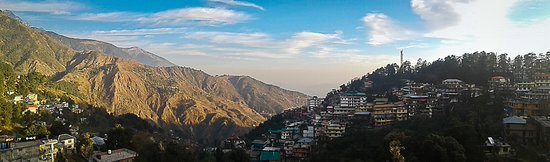
- Midday: Spend time at the temple, attend a puja if you wish, and take in the panoramic views of Shimla and the distant peaks.
- Afternoon: Explore nearby attractions such as the Ridge and Christ Church, and enjoy local food on Mall Road.
- Evening: Return for sunset views or a quiet aarti at the temple if timings permit.
Conclusion
Jakhu Hanuman Temple is more than a religious site; it is an experience that blends devotion, natural beauty and local culture. Whether you come for spiritual reasons, photography or a pleasant hilltop walk, being prepared — particularly for the monkeys and the hill terrain — will make your visit smooth and memorable. Respect the environment and local customs, and Jakhu will reward you with striking views and a peaceful slice of Himachal Pradesh.