Ideal Kerala Trip Order: Which Places to Visit First
Plan your Kerala trip with confidence: learn the best order to visit hill stations, backwaters, beaches and wildlife parks, with practical itineraries and travel tips for an ideal route.
By TravMe Holidays travel team · · Updated · 6 min read
Kerala is a compact state with extraordinary diversity: misty Western Ghats, tranquil backwaters, sun-kissed beaches and welcoming towns that teem with culture and cuisine. Choosing the right order to visit these places can make your holiday flow seamlessly, reduce travel time and help you experience the best of each region without backtracking.
Why trip order matters in Kerala
Kerala's geography favours linear travel along the north–south axis, but its highlights are spread across three distinct landscapes: the high ranges (east), the backwaters (central and south), and the coast (west). Planning a logical route minimises transfers, allows for acclimatisation (important for hill stations) and syncs with seasonal considerations like monsoon patterns. A well-planned order also helps you pack smarter and protect time for slower experiences such as houseboats or spice walks.
Arrival and departure: Where to start
Most travellers arrive via Kochi (Cochin International Airport) or Thiruvananthapuram (Trivandrum) if flying. For train travellers, Ernakulam, Thrissur and Trivandrum are major railheads. Which gateway you choose should influence your route:
- Start in Kochi: Ideal for travelling southwards along the coast, combining city culture, backwaters and then the southern beaches or hills.
- Start in Trivandrum: Best for exploring southern Kerala first—Kovalam, Varkala—then moving north to the backwaters and hills.
- Fly into Kozhikode or Kannur: Handy for a North Kerala-focused trip, including Wayanad and the Malabar coast.
General recommended sequence
For most visitors, a north-to-south or south-to-north linear route works best. Here is a generally effective order, starting from central Kochi and heading south; reverse this if your entry point is in the south:
- Kochi (Cultural start) – Spend 1–2 days exploring Fort Kochi, Mattancherry Palace and the colonial-era waterfront. It’s a gentle urban introduction and a convenient place to collect local SIMs, cash and supplies.
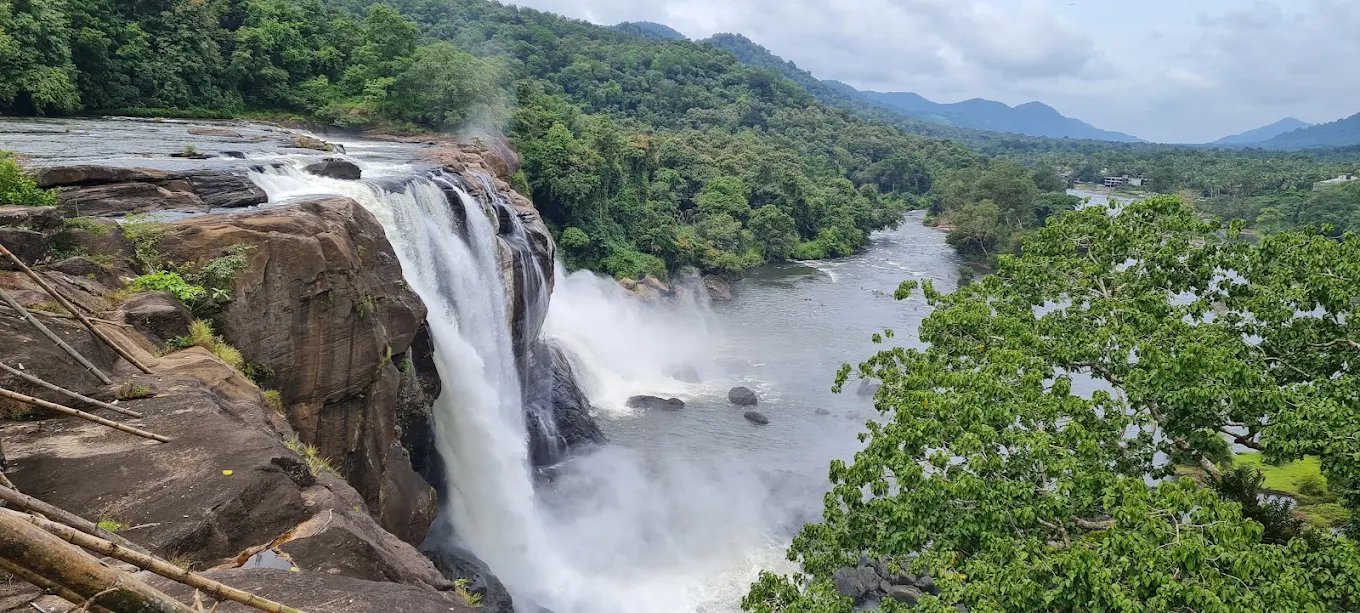
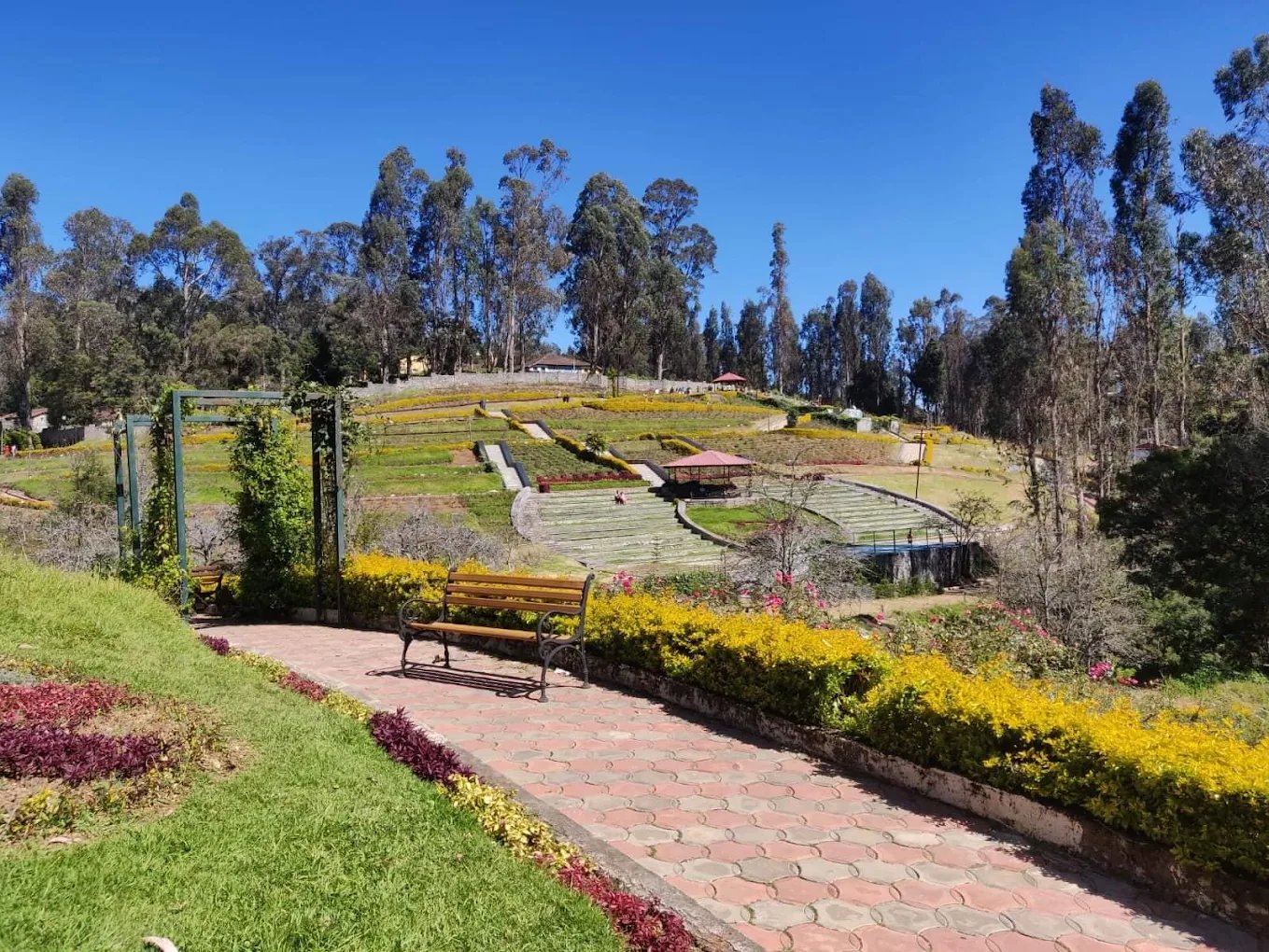
- Munnar or Thekkady (Hill station/Tea country) – 2–3 days in the hills for cooler air, tea gardens and short treks. This is best early in your trip to acclimatise if coming from a hot city.
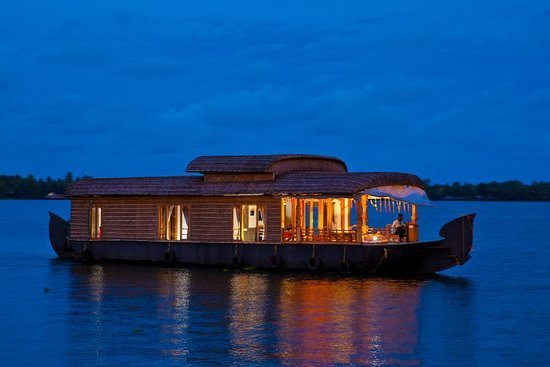
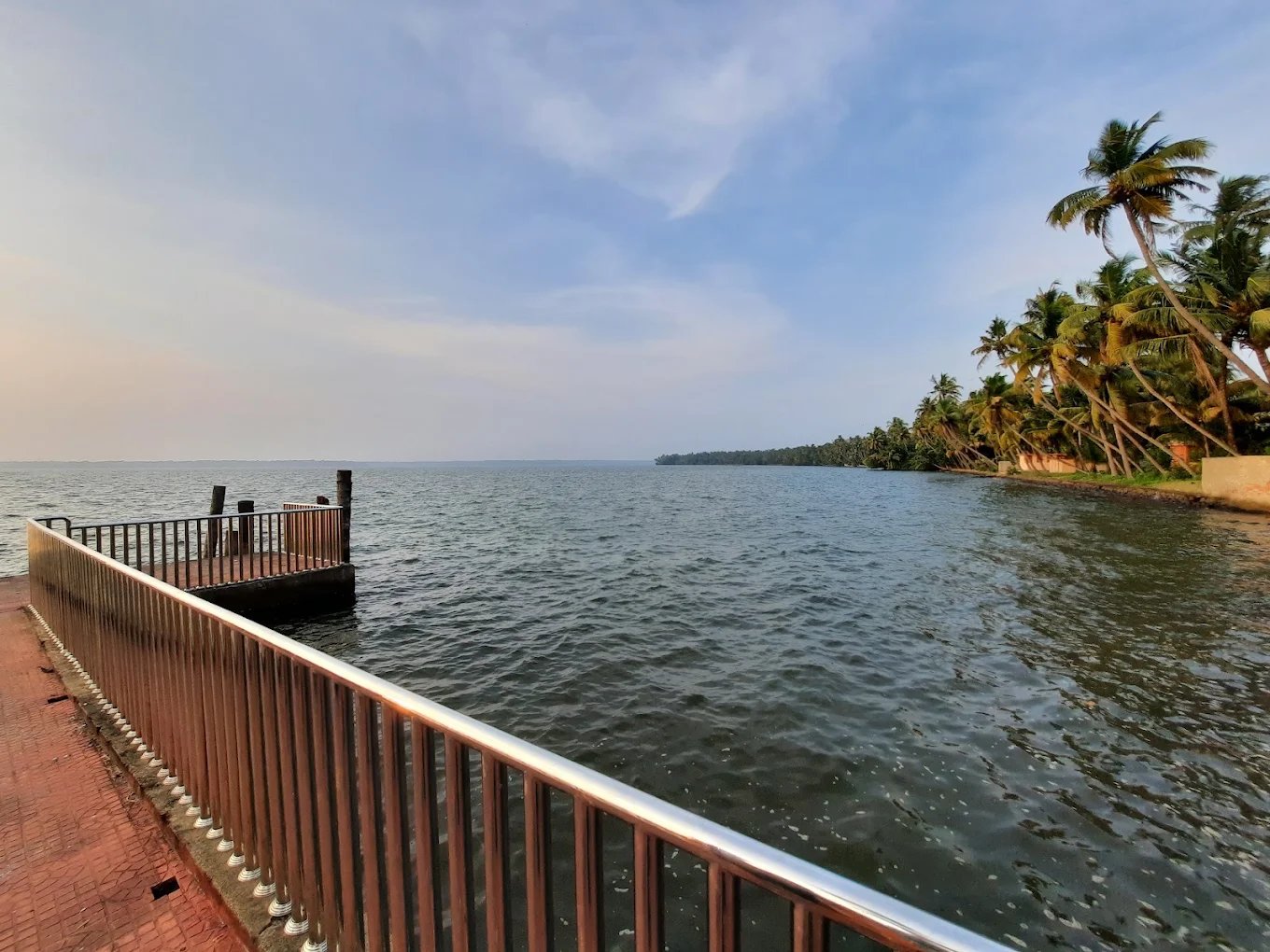
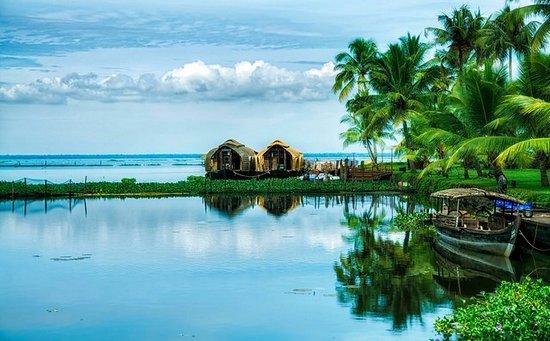
- Alleppey/Kumarakom (Backwaters) – 1–2 nights on a houseboat or in a waterfront homestay to slow down and enjoy Kerala’s aquatic landscape.
- Kumarakom/Vadayar or Kottayam (Birding & rural experiences) – Optional 1–2 days for birdwatching, village walks and Ayurvedic experiences in a quieter setting than the busier Alleppey stretch.
- Varkala/Kovalam/Thiruvananthapuram (Beaches & culture) – 2–3 days for beaches, temples and the relaxed coastal vibe. Varkala is popular for cliffs and yoga, while Kovalam suits traditional beach time and spa treatments.
- Periyar/Wildlife (Optional detour) – If you skipped Thekkady earlier, consider a wildlife stop for boat safaris and spice plantations en route back to your departure city.
North Kerala and Wayanad: A separate but complementary loop
If your interests lean to coffee estates, tribal culture and ancient ruins, include Wayanad and north Kerala. A good logical order when focusing northwards:
- Kozhikode or Kannur – Gateway to Malabar cuisine and beaches.
- Wayanad – 2–3 days for wildlife, caves, and tribal homestays in the Western Ghats.
- Bekal and Kasaragod – Coastal forts and quieter beaches if you want to end in tranquillity.
Sample itineraries by duration
7-day Kerala (best for a quick yet balanced taste)
- Day 1: Arrive Kochi – Fort Kochi and Jewish Quarter
- Days 2–3: Munnar – tea gardens, Echo Point, short hikes
- Day 4: Travel to Alleppey – board a houseboat in the evening
- Day 5: Disembark, transfer to Kumarakom – birdwatching
- Days 6–7: Varkala or Kovalam – beach relaxation, depart from Trivandrum
10-day Kerala (more relaxed, with wildlife)
- Days 1–2: Kochi
- Days 3–4: Munnar
- Days 5–6: Thekkady/Periyar – spice plantation, wildlife boat cruise
- Day 7: Alleppey houseboat
- Days 8–10: Varkala/Kovalam
14-day Kerala (comprehensive)
- Days 1–2: Kochi
- Days 3–4: Wayanad (if starting north) or Munnar
- Days 5–6: Munnar or Thekkady depending on earlier choice
- Days 7–8: Backwaters (Alleppey/Kumarakom)
- Days 9–10: South Kerala beaches and temples (Varkala, Kovalam)
- Days 11–12: Offbeat experiences—kalaripayattu performance, village homestays
- Days 13–14: Leisure and departure
Practical tips for sequencing your trip
Transport choices
Road travel is the most flexible option in Kerala. Private taxis allow door-to-door convenience and are ideal between hill stations and backwaters. Trains are comfortable for longer legs along the coast but can involve transfers. Domestic flights are useful for saving time if you want to connect Kochi and Trivandrum quickly.
Time of year
The best months are generally November to February for comfortable temperatures and festivals. Avoid heavy monsoon months if you plan to trek, though monsoon can be beautiful in the hills for those who enjoy quiet, rainy landscapes. The backwaters are navigable year-round, but houseboat experiences feel different during rain.
Pacing and acclimatisation
Allow at least one easy day when moving from the plains to hill stations. The cool climate of Munnar or Wayanad is a lovely change but can feel chilly in evenings. Similarly, a day of relaxation after a houseboat night helps you reorient before continuing to beaches or towns.
Food, culture and health considerations
Kerala cuisine is an experience in itself. Sample seafood along the coast, banana leaf meals in traditional restaurants and local snacks like pazham pori and tapioca. If you have dietary restrictions, inform hosts in advance. For health, carry basic medication, follow food hygiene cautions if trying street food for the first time, and drink bottled or filtered water.
Local experiences to slot into your order
- Kathakali performance in Kochi or nearby cultural centres early in the trip gives a fantastic cultural grounding.
- Tea estate walks in Munnar or Wayanad, best done in the mornings.
- Houseboat in Alleppey for an overnight slow travel experience mid-trip, when you can fully unwind.
- Ayurvedic massage towards the end of the itinerary when you want restoration before travel home.
- Local markets and spice gardens for short, sensory excursions wherever you base yourself.
Tip: Sequence active days (treks, safaris) and restful days (houseboat, beaches) alternately to avoid travel fatigue and make the most of each location.
Packing and preparation
Pack lightweight breathable fabrics for coastal areas and a couple of warm layers for hill stations. Comfortable walking shoes are essential for plantations and short treks. If you plan to visit temples, carry modest clothing that covers shoulders and knees. Carry insect repellent for wildlife areas and a basic first-aid kit. It’s helpful to download offline maps and save contact details of accommodations for stretches with weak network.
Sample order checklist before you finalise
- Choose arrival/departure airports based on the linear route (north→south or south→north).
- Decide your pace: relaxed (10–14 days) or brisk (7–8 days).
- Book at least one night on a houseboat early in the planning to secure preferred dates.
- Reserve stays in hill stations ahead of peak season for better options.
- Factor in travel time between regions rather than distances—mountain roads are slower.
Conclusion
Kerala rewards thoughtful sequencing: begin with culture in Kochi, ascend to the cool tea gardens, descend into the serene backwaters and finish with leisurely beach time, or reverse that order depending on your entry point. Match your interests—wildlife, food, relaxation—and the time you have, and the itinerary will fall into place naturally. With a little planning you will move smoothly from one unforgettable Kerala scene to the next, making the most of the state’s rich landscapes and warm hospitality.