How to Split Your Days Between Shimla and Manali
Practical guidance to divide your time between Shimla and Manali with suggested itineraries, travel options, seasonal tips and activity ideas to make the most of each hill station.
By TravMe Holidays travel team · · 6 min read
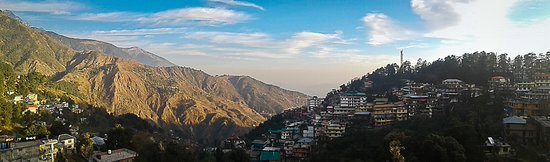
Shimla and Manali are two of Himachal Pradesh's most beloved hill stations, each with distinct charms — Shimla's colonial elegance and Manali's alpine adventure. Planning the right split of days between them depends on your travel pace, interests and season. This guide helps you decide how many days to spend in each place, how to travel between them, and what to prioritise so your trip feels relaxed and rewarding.
Why combine Shimla and Manali?
Combining Shimla and Manali gives you a balanced Himachal experience: leisurely walks and heritage sights in Shimla, contrasted with outdoor activities and scenic valleys in Manali. Travellers from north India often pair them to sample both easy-paced sightseeing and high-altitude adventures without repeating experiences.
When to visit
Seasons matter. Summers (April–June) are ideal for pleasant weather, green valleys and open mountain routes. Monsoon (July–September) brings lush landscapes but also landslide risks on roads — check local reports. Winter (December–February) delivers snow, especially in Manali and higher passes, appealing to snow-lovers but requiring warm clothing and flexible travel plans.
Getting between Shimla and Manali
There are three main options for the Shimla–Manali leg. Each has trade-offs in time, comfort and scenery.
- Private cab: The most flexible and comfortable choice. The drive can take around 7–10 hours depending on route and conditions (via Mandi or via Kullu). You can stop for photos and meals, but check the road status in monsoon and winter.
- Bus: State-run and private buses ply between Shimla and Manali, including Volvo services. Buses are economical but can be longer and less comfortable on winding mountain roads. Night buses save daytime but can be tiring.
- Shared taxi: Available at higher frequency and cheaper than private cabs. Shared taxis leave when full and are a practical option for solo travellers or small groups comfortable with fixed departure times.
How to split your days — suggested itineraries
Below are suggested splits for common trip lengths. Each sample assumes arrival into Shimla or Chandigarh as a gateway; adjust based on your flight/rail schedule.
3-day trip: Quick highlights (1 night Shimla, 2 nights Manali)
- Day 1 — Shimla: Arrive early, stroll Mall Road, visit Christ Church and the Ridge. Evening at observation point or Jakhu Temple for sunset. Overnight in Shimla.
- Day 2 — Transfer to Manali: Early morning drive to Manali (expect a long day). On arrival, relax with a walk in Old Manali, shop in Mall Road. Overnight in Manali.
- Day 3 — Manali local: Visit Hadimba Temple, Vashisht hot springs, and if time permits, Solang Valley for short activities. Depart in the evening.
This is a rushed option suited to travellers pressed for time who want a snapshot of both places.
5-day trip: Balanced pace (2 nights Shimla, 3 nights Manali)
- Days 1–2 — Shimla: Day 1 for Mall Road, Ridge, and Jakhu Temple. Day 2 for Christ Church, Viceregal Lodge (Indian Institute of Advanced Study), and a short trip to Kufri for horse rides and viewpoints.
- Day 3 — Transfer: Travel to Manali; break the journey at Kullu for a riverside meal or local shawl shopping.
- Days 4–5 — Manali: Explore Old Manali and Mall Road, Hadimba Temple, Vashisht. On one day, devote time to Solang Valley or Rohtang Pass (if open) for adventure sports or snow play.
This split gives you time to savour each town without constant packing and moving.
7-day trip: In-depth exploration (3 nights Shimla, 4 nights Manali)
- Days 1–3 — Shimla & nearby: Add day trips: Naldehra for golf and pine forests, Mashobra for quiet nature walks, or the scenic toy train ride (Kalka–Shimla) for a nostalgic experience.
- Day 4 — Travel to Manali: Opt for morning departure and scenic stops en route.
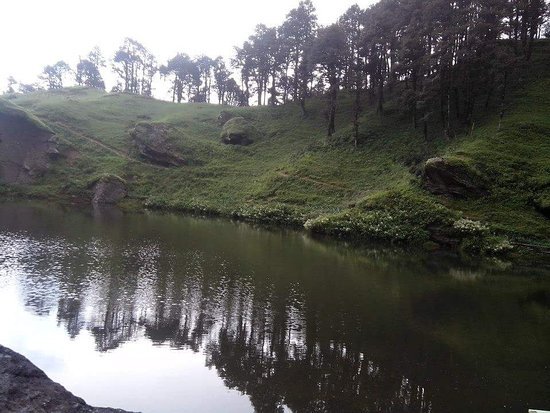
- Days 5–7 — Manali & nearby: Use extra days for trekking (Jogini Falls or Bhrigu Lake for experienced trekkers), visit Naggar Castle and Roerich Art Gallery near Naggar, or take a full day excursion to Rohtang (permit-dependent) or Gulaba and Marhi.
Seven days allow hills ambience, short treks and a buffer for weather-related delays.
10+ days: Slow travel and offbeat detours
If you have 10 days or more, you can add quieter Himachali gems: Kinnaur or Spiti for arid high-altitude landscapes (best in summer), or extend to Tirthan Valley and Great Himalayan National Park for wildlife and river-side stays. Allocate extra days to acclimatise and to soak in local culture.
What to prioritise in each destination
Knowing what each town offers helps decide your emphasis.
- Shimla: Colonial architecture, leisurely walks, viewpoints, nearby meadows like Kufri and Naldehra. Ideal for culture, gentle walks and family-friendly outings.
- Manali: Adventure sports, high-altitude day trips (Rohtang, Solang), vibrant backpacker scene in Old Manali, river activities and access to trekking trails. Better suited for thrill-seekers and nature lovers.
Packing and health tips
- Layered clothing: Mountain temperatures fluctuate; pack thermals, a warm jacket and windproof outerwear. Even summers can be chilly at night.
- Footwear: Sturdy walking shoes for trails and comfortable shoes for town walks.
- Medication: Carry basic altitude sickness remedies, though these towns are moderate altitude. Keep a small first-aid kit and any personal prescriptions.
- Sun protection: High-altitude sun can be strong — sunscreen, sunglasses and a hat are essential.
Budget and accommodation tips
Shimla has a wider range of heritage hotels and mid-range options near the Mall and Ridge, while Manali offers everything from backpacker hostels in Old Manali to luxury riverside resorts in Vashisht. Book early for peak summer and major holidays. For a local experience, consider homestays in both destinations; they are economical and provide insights into Himachali hospitality.
Managing travel time and fatigue
Mountain journeys can be longer than anticipated. To avoid travel fatigue:
- Avoid back-to-back long travel days. If possible, rest a day after the Shimla–Manali transfer.
- Start long drives early to benefit from daylight and better road conditions.
- Keep snacks and water handy, and plan a pleasant stop (local dhaba or viewpoint) halfway.
Tip: If you love mountain culture and slow walks, favour more days in Shimla; if you crave adventure, allocate extra days to Manali.
Sample daily rhythms
How your days unfold depends on interests. A typical Shimla day begins with a relaxed breakfast followed by heritage walks, museum visits or short excursions. In Manali, mornings are great for heading to Solang or Rohtang (if open) while late afternoons suit riverside cafés and local markets.
Safety and local etiquette
- Follow local advice about road and weather conditions, especially during monsoon and winter.
- Respect local customs: dress modestly at temples and when visiting villages.
- Support local businesses: buy Himachali handicrafts, shawls and local produce from markets and cooperative emporiums.
Final planning checklist
- Decide trip length and split days based on interests (heritage vs adventure).
- Book transport between Shimla and Manali in advance during peak season.
- Reserve accommodation in preferred neighbourhoods: Mall/Ridge for Shimla, Old Manali or Vashisht for Manali.
- Check weather and road conditions a few days before travel; have contingency days for high passes like Rohtang.
With careful planning, you can craft a Himachal itinerary that blends Shimla's stately charm with Manali's adventurous spirit. The right split of days depends on what you seek: relaxation and culture, or high-altitude thrills. Whichever you choose, leave space for unexpected detours — that's where the best memories are made.