How to Plan a Kerala Trip Around the Monsoon
Kerala's monsoon is a season of lush landscapes, therapeutic rain and quieter travel. This guide helps you plan a safe, rewarding Kerala trip around the monsoon with practical tips, itineraries and activity ideas.
By TravMe Holidays travel team · · Updated · 6 min read
The monsoon season transforms Kerala into a vivid green canvas: cascading waterfalls, swollen rivers, misty hills and a sense of calm that’s perfect for slow travel. Travelling during the rains can be immensely rewarding if you plan with the weather in mind. This guide covers when to visit, what to expect, how to adjust your itinerary and practical tips to make a Kerala monsoon trip comfortable and memorable.
When the Monsoons Visit Kerala
Kerala experiences two main monsoons. The Southwest monsoon (locally called the "Edavappathy") arrives from June and continues roughly until September. It brings the heaviest rainfall to most parts of the state and is responsible for the dramatic greening of the landscape. The Northeast monsoon ("Thulavarsham") brings lighter rains and occurs between October and December, mainly affecting the eastern districts and parts of the coast.
Choosing when to travel depends on your priorities:
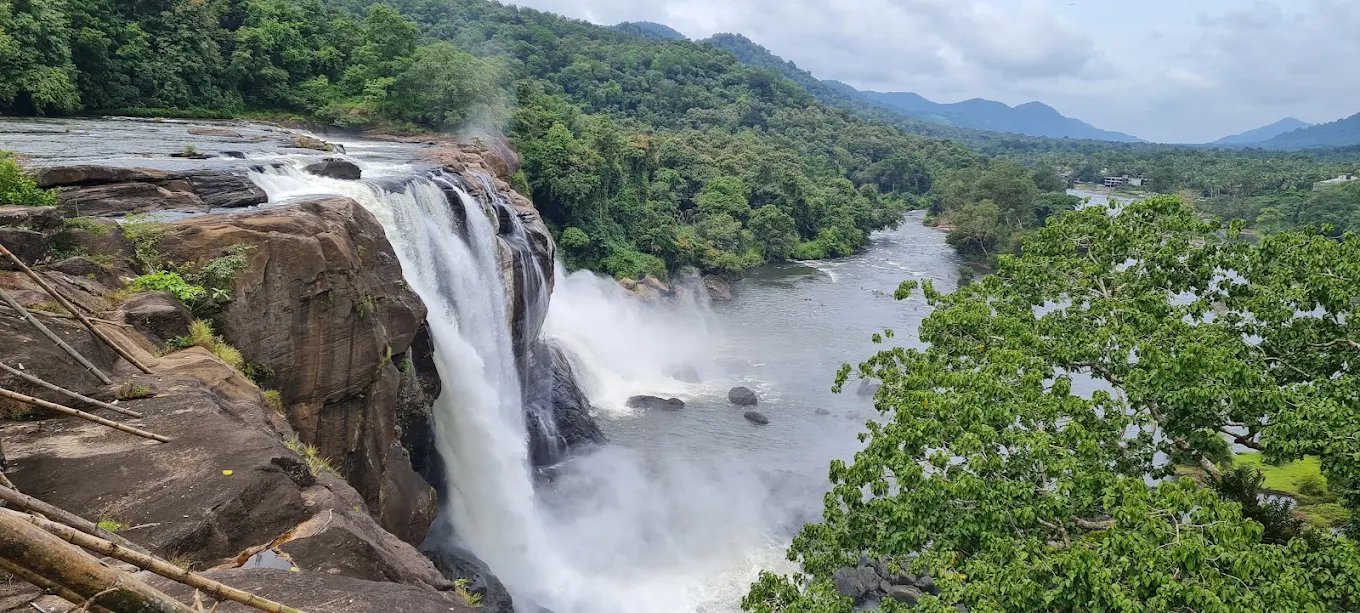
- June–September (Southwest monsoon): Best for experiencing Kerala at its most lush, availing traditional Ayurvedic rejuvenation and witnessing dramatic waterfalls. Some regions may be intermittently inaccessible due to heavy rains.
- October–December (Northeast monsoon and post-monsoon): Rain eases, landscapes remain fresh, and travel conditions generally improve. This is a comfortable window for a broader itinerary.
Why Consider Kerala in the Monsoon?
Travelling in the monsoon is not just about wet weather — it’s a season with distinct experiences:
- Nature at its best: Rivers brim, tea and spice gardens smell of wet earth, and waterfalls are at full volume.
- Ayurvedic treatments: Traditional therapies are said to be more effective during the monsoon; many centres run specialised packages.
- Fewer crowds: Popular spots are quieter, which means better service, more personalised experiences and often lower rates.
- Cultural festivals: Onam, Kerala’s major harvest festival, usually falls around August–September and offers colourful local rituals and feasts.
Picking the Right Places to Visit
Backwaters and Houseboats
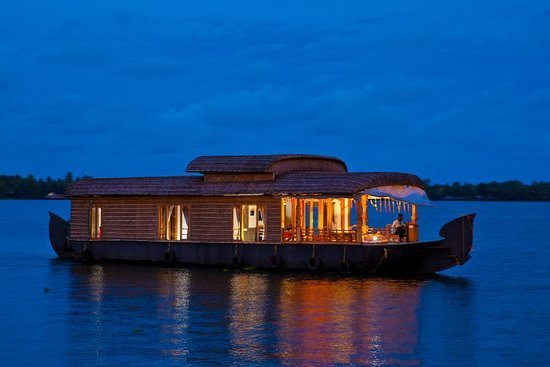
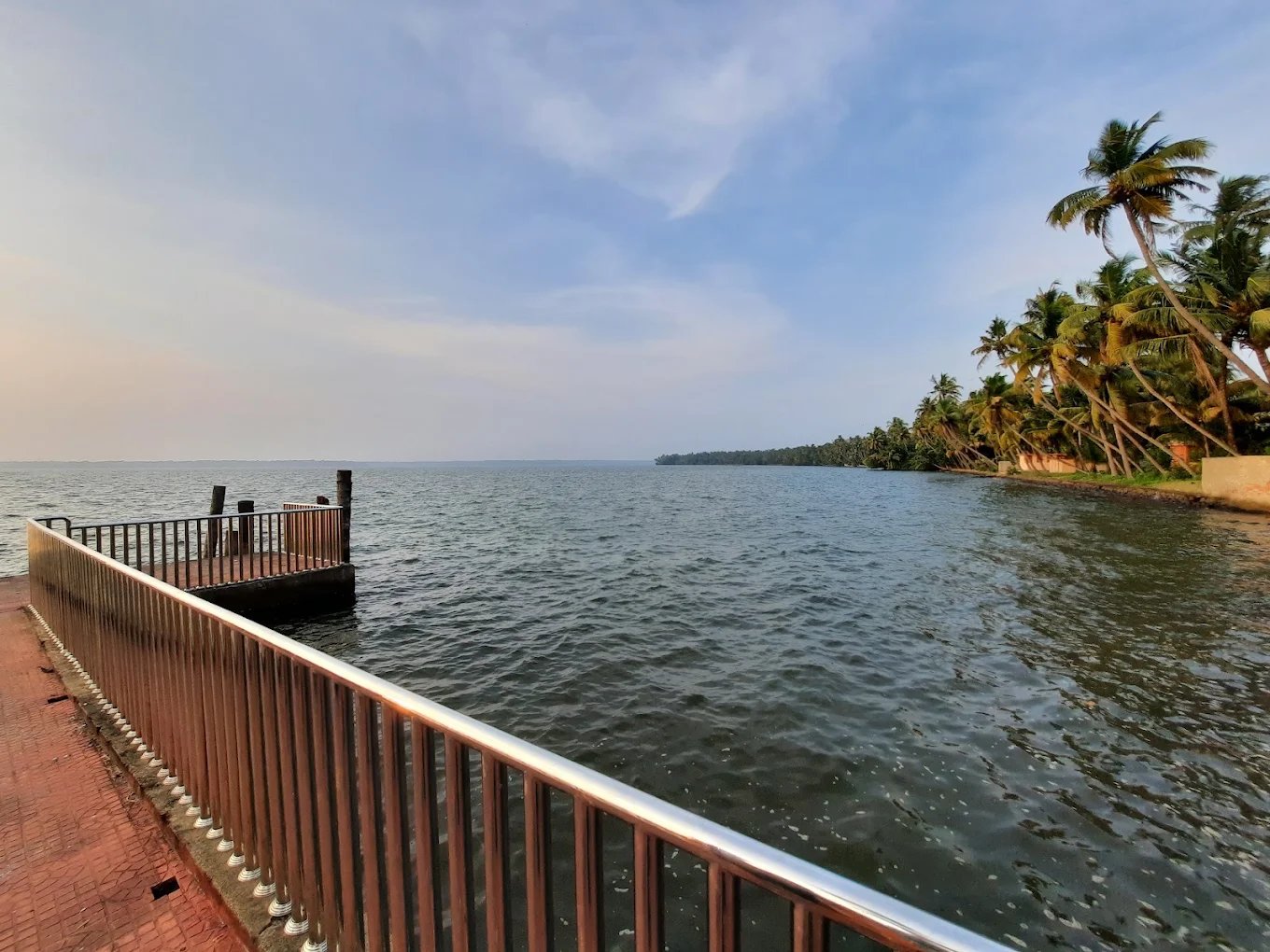
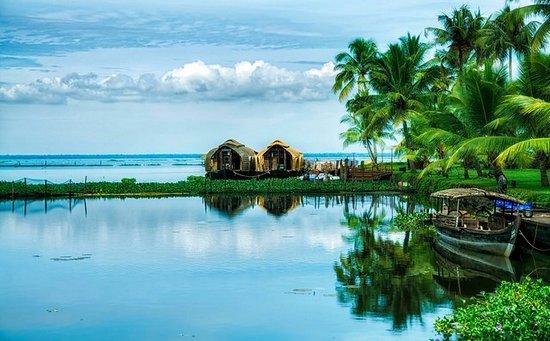
The backwaters are alluring in the rains: green banks, gentle rain on the roof and the rhythmic splash of water. Alleppey and Kumarakom offer good houseboat options year-round. During heavier rain spells, shorter cruises or overnight stays in well-maintained boats with safe moorings are advisable.
Tea and Spice Plantations (Munnar, Wayanad)
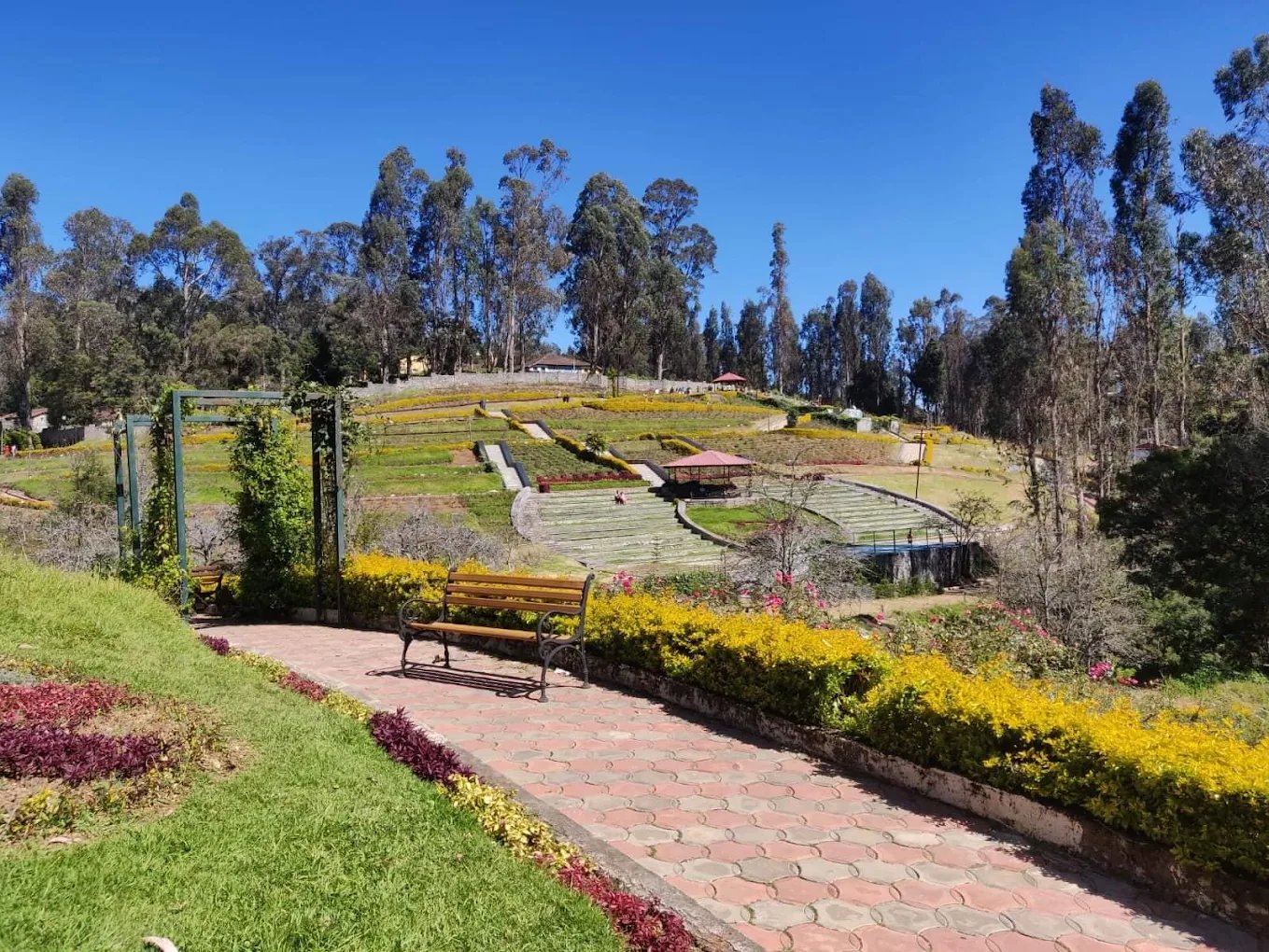
Hill stations like Munnar, Wayanad and the higher reaches of Idukki are spectacular in monsoon mist. Expect cool temperatures and frequent showers. Roads can be slippery—choose a vehicle with good clearance and a local driver who knows the terrain.
Wildlife and National Parks
Many reserves reduce access during heavy rains, but parks such as Periyar (Thekkady) often remain open and offer boat safaris that can be especially atmospheric in the rains. Always check park timings and seasonal closures.
Beaches
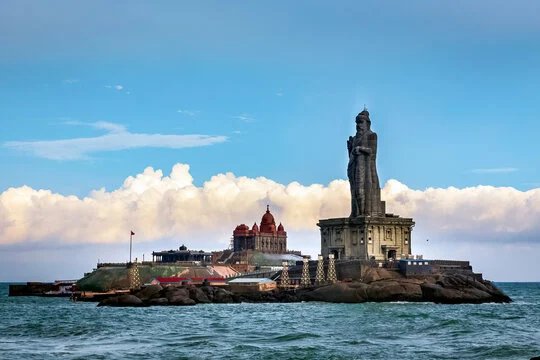
Kerala’s beaches are quieter and dramatic under moody skies. Swimming is often discouraged during rough seas—prioritise beachside walks, seafood and sunset views instead.
Suggested Itineraries Around the Monsoon
Below are three flexible sample itineraries tailored for the monsoon traveller. Each assumes travel starting in Kochi, a convenient gateway.
7-Day Relaxed Monsoon Recharge
- Day 1–2: Kochi — Explore Fort Kochi, spice markets and the Chinese fishing nets on dry mornings; enjoy sheltered cafes during showers.
- Day 3–4: Munnar — Head to the hills for tea gardens, misty walks and a relaxed pace. Pack waterproofs and allow extra travel time for winding roads.
- Day 5–7: Alleppey/Kumarakom — Unwind on a houseboat or stay in a homestay by the backwaters for Ayurvedic massages and slow boat rides.
10–12 Day Cultural and Nature Mix
- Kochi (2 nights) — Culture and culinary initiation.
- Munnar (2–3 nights) — Hills and plantations.
- Thekkady/Periyar (2 nights) — Wildlife boat safaris and spice tours.
- Alleppey (2 nights) — Backwater stay and village tours.
- Varkala/Kovalam (2 nights) — End with a calm beach stretch, but avoid swimming where flags indicate rough seas.
Special Interest: Ayurvedic Wellness (Flexible Duration)
Combine a few days in a coastal Ayurvedic centre with backwater time and a short hill retreat. Ayurvedic packages often recommend multiple consecutive days for effectiveness, so plan rest days, slower travel and minimal transfers.
Practical Tips for Monsoon Travel
Packing Essentials
- Lightweight waterproof jacket and umbrella; quick-dry clothing and a couple of warm layers for the hills.
- Waterproof covers for backpacks and electronics; dry bags for valuables.
- Anti-leech socks or sandals for forest trails, and comfortable non-slip shoes.
- Basic medical kit, mosquito repellent and any prescriptions in labelled containers.
Transport and Driving
Road conditions can change quickly. Hire experienced local drivers rather than self-driving on unfamiliar wet roads. Allow extra travel time for diversions and avoid travelling after heavy overnight downpours when landslips can occur in hilly areas.
Accommodation Choices
Choose accommodations with good drainage, backup power and solid reviews for hospitality during monsoon conditions. Houseboats should have safe moorings and clean, well-maintained interiors. For Ayurveda, pick certified centres with transparent treatment descriptions.
Health and Safety
- Stay hydrated and eat at reputable places to avoid food-related illness.
- Seek immediate care for persistent fever or severe gastrointestinal symptoms; keep emergency contact numbers handy.
- Carry insect bite treatments and be cautious of standing water that can breed mosquitoes.
Experiences Not to Miss
Ayurvedic Treatments
Monsoon is traditionally considered an advantageous period for certain Ayurvedic therapies. Whether you choose panchakarma or relaxation packages, consult certified practitioners and disclose your health conditions.
Village Walks and Tea Estate Strolls
Post-rain walks reveal a fresh, fragranced countryside. Short guided walks through paddy fields, spice gardens and tea estates are rewarding—wear suitable footwear and check for leech activity in forested areas.
Local Cuisine
Warm comfort food is a highlight: steamy appam and stew, milder curries with coconut, and freshly made hot snacks. Monsoon is also a great time to sample seasonal produce and freshly harvested spices.
Photography and Mood
Monsoon light is softer and colours are saturated—ideal for landscape and close-up shots of flora. Protect camera gear with rain covers and microfibre cloths, and plan for sunrise or breaks between showers for dramatic shots. Be mindful of slippery terrain near waterfalls and rivers.
Things to Avoid
- Do not plan long, tightly packed itineraries; allow buffer days for weather-related shifts.
- Avoid swimming in the open sea during rough weather and heed local safety advisories.
- Don’t ignore local guidance on landslides and closed roads—safety first.
Tip: Flexibility is your greatest asset during the monsoon — embrace slower days, local food, and indoor experiences as much as the outdoor ones.
Booking and Cancellation Notes
When travelling in the monsoon, opt for flexible booking options where possible. Many hotels and tour operators understand seasonal weather disruptions and offer reasonable cancellation or rescheduling terms. Travel insurance that covers weather-related disruptions can provide peace of mind.
Responsible Travel During the Monsoon
Respect local communities by avoiding littering, staying on designated paths and supporting local businesses. The monsoon revitalises ecosystems, and responsible travel helps protect fragile areas from erosion and pollution.
Final Checklist Before You Leave
- Confirm accommodation rainfall preparedness and backup power.
- Check road and park accessibility for your planned destinations.
- Pack waterproofs, quick-dry clothes and a basic medical kit.
- Inform someone about your travel plans and keep copies of important documents offline.
Travelling to Kerala around the monsoon is a unique invitation to witness one of India’s most photogenic seasons. With flexible plans, respect for local conditions and a readiness to slow down, you’ll experience Kerala’s lush beauty, rich culture and restorative wellness in a peaceful, rewarding way.