Complete Guide to Jaipur, the Pink City of Rajasthan
A practical, in-depth guide to Jaipur — history, top sights, how to get around, where to eat and shop, best time to visit, suggested itineraries and local tips to make the most of the Pink City.
By TravMe Holidays travel team · · 7 min read
Jaipur, the capital of Rajasthan, is a sensory feast of sandstone palaces, bustling bazaars and lively cultural traditions. Known worldwide as the Pink City for its rosy-hued old town, Jaipur blends royal heritage with dynamic street life, making it an essential stop on any North India itinerary. This guide covers what to see and do, how to plan your visit, where to eat and shop, and practical tips to travel confidently through the city.
Quick overview: Why visit Jaipur
Founded in the 18th century by Maharaja Jai Singh II, Jaipur was planned according to Vastu Shastra and classic city design principles. Today it is one of India's most visited heritage cities — a living museum of forts, palaces and observatories set against the arid plains of Rajasthan. Whether you are a history buff, a foodie, a shopper or a photographer, Jaipur rewards you with memorable experiences.
Best time to visit
Rajasthan has extreme seasons, so timing matters. The most pleasant months for Jaipur are from October to March, when mornings are cool and evenings comfortable. Winters are ideal for sightseeing and festivals, while spring brings mild days and colourful cultural events. Summers (April to June) are hot, with daytime temperatures often high; if you travel then, plan outdoor activities for early morning or late afternoon. Monsoon (July to September) is short and patchy in Jaipur, but rain can refresh the city and reduce dust.
How to reach Jaipur
By air
Jaipur International Airport connects to major Indian cities and some international destinations. The airport sits within easy reach of the city and offers taxis and app-based ride services. If you arrive late at night, pre-book airport transfers for peace of mind.
By train
Jaipur Railway Station is well-connected across India, with daytime and overnight trains from Delhi, Mumbai, Agra, Jodhpur and other cities. Trains are a comfortable and often scenic way to travel; reserve tickets in advance during peak season and festival periods.
By road
Jaipur lies on major highways and is linked by expressways to Delhi (about 4–5 hours by road) and other Rajasthan cities. Luxury coaches and private cabs are common options. Roads are generally good, but allow extra time during festival weekends.
Getting around the city
Within Jaipur, options include taxis, app-based cabs, cycle-rickshaws, auto-rickshaws and local buses. For downtown sightseeing, auto-rickshaws and cycle-rickshaws are handy for short hops. If you prefer comfort and speed, app taxis or private cars are best. Many heritage sites have limited parking or pedestrianised zones, so plan to walk between clusters like the City Palace, Jantar Mantar and Hawa Mahal.
Top attractions
Jaipur’s highlights are concentrated and easy to fit into a 1–3 day visit. Here are the essential sights.
Amber Fort (Amer Fort)
Perched on a hill just outside the old city, Amber Fort is an imposing blend of Rajput and Mughal architecture. Explore its ornate palaces, mirrored Sheesh Mahal and layered courtyards. For a less crowded visit, arrive early or late afternoon, and consider combining Amber with nearby Jaigarh Fort.
City Palace
This is the former royal residence still partly used by Jaipur’s royal family. The palace complex includes museums, courtyards and the Mubarak Mahal. It offers a close look at royal life and a good introduction to Jaipur's art and textiles.
Hawa Mahal (Palace of Winds)
The rose-pink façade of Hawa Mahal is one of Jaipur’s most iconic images. Built with a honeycomb of windows, it allowed royal ladies to observe street life while remaining unseen. A small museum and viewing area behind the façade gives perspective on the historic cityscape.
Jantar Mantar
A UNESCO World Heritage astronomical observatory built by Maharaja Jai Singh II, Jantar Mantar houses large masonry instruments used for measuring time, eclipses and celestial positions. It’s both scientific and photogenic.
Nahargarh and Jaigarh Forts
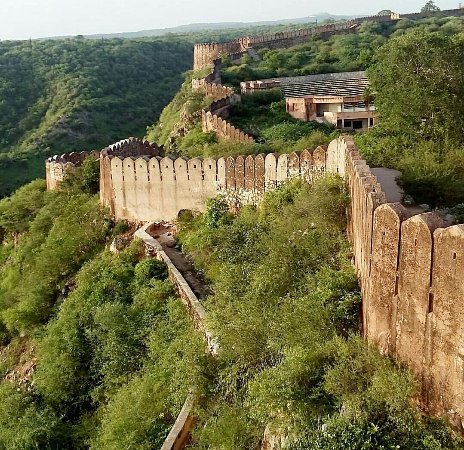
These forts on the Aravalli ridge offer dramatic views over Jaipur and fascinating military architecture. Nahargarh’s sunset vantage points are popular; Jaigarh houses ancient cannons and engineering marvels.
Jal Mahal
The Water Palace sits gracefully in the middle of Man Sagar Lake. Though entry to the island palace is restricted, the lakeside promenade and viewpoints provide lovely reflections and photo opportunities, especially at dawn or dusk.
Cultural experiences and museums
- Albert Hall Museum — fine collections of art, textiles and archaeological items.
- Gaitore Ki Chhatriyan — royal cenotaphs with ornate stone carvings and peaceful grounds.
- Local workshops — watch artisans work on block printing, gemstone cutting and blue pottery in neighbourhood workshops.
- Cooking classes and heritage walks — learn Rajasthani recipes or take guided walks through Old Jaipur to understand local life.
Food and where to eat
Rajasthani cuisine is robust, with spicy curries, lentils and hearty breads. In Jaipur you can sample:
- Dal baati churma — a traditional combination of baked wheat balls, dal and sweet crumbled wheat.
- Laal maas and ker sangri — local meat and desert vegetable specialities.
- Street snacks — kachori, samosa and mirchi vada from established vendors in old bazaars.
- Sweets — ghevar and rabri are regional favourites.
For a mix of street food and comfortable dining, seek out cafés in the old city and restaurants near the Hawa Mahal and Bapu Bazar areas. Many hotels also offer excellent Rajasthani thalis.
Shopping: what to buy and where
Jaipur is a shopper’s paradise for textiles, jewellery and handicrafts. Important items include:
- Bandhani and block-printed fabrics — vibrant, patterned textiles used for sarees, dupattas and home decor.
- Gemstones and jewellery — Jaipur is a historic gemstone trading centre; buy from reputed dealers and ask for certification for precious stones.
- Blue pottery — distinctive tin-glazed ceramics with Persian influences.
- Hand-carved wooden items, puppets and leather goods.
Key shopping areas are Johari Bazaar for jewellery, Bapu and Nehru Bazaars for textiles and souvenirs, and Tripolia Bazaar for lac jewellery and brassware. Bargain politely; haggling is expected in many markets.
Suggested itineraries
One-day highlights
- Morning: Amber Fort (early to avoid heat and crowds).
- Late morning: Hawa Mahal and City Palace cluster; visit Jantar Mantar.
- Evening: Stroll and shop in Johari or Bapu Bazaar; try local street food.
Two-day classic
- Day 1: Amber Fort, Jaigarh and Nahargarh; sunset at Nahargarh.
- Day 2: City Palace, Jantar Mantar, Hawa Mahal, museums and a relaxed evening at Jal Mahal viewpoint.
Three-day relaxed
- Follow the two-day plan, plus:
- Day 3: Day trip to nearby attractions such as Samode, Chand Baori (stepwell) or Pushkar/Ajmer depending on interest.
Festivals and events
Jaipur hosts lively festivals that showcase music, literature and tradition. The city’s cultural calendar includes religious fairs, classical music events and international gatherings that attract travellers and dignitaries. If your trip coincides with a major festival, expect vibrant processions, special performances and crowded markets — a fabulous cultural immersion if you plan ahead.
Practical tips and local etiquette
- Clothing: Dress modestly in public and especially in temples. Lightweight cottons work well in summer; warm layers are needed for winter evenings.
- Hydration: Carry bottled water; avoid ice from uncertain sources during hot months.
- Photography: Ask permission before photographing people, especially in rural pockets and religious settings.
- Respect customs: Remove footwear at temples and follow local norms at religious sites.
- Safety: Jaipur is generally safe for solo travellers and families. Keep valuables secure and be cautious in crowded bazaars.
Tip: Start heritage visits early in the day when light is best for photography and crowds are thinner — many forts and palaces open by mid-morning.
Responsible travel in Jaipur
Support local artisans by buying directly from workshops and co-operatives. Reduce plastic use by carrying a refillable bottle and shopping bag. Be mindful of water usage in a region where resources are precious, and choose accommodations and tour operators that follow sustainable practices.
Where to stay: neighbourhoods to consider
Choose accommodation based on your priorities: for heritage ambience, stay in haveli-style hotels in the old city; for convenience and a wider choice of dining options, look near Civil Lines or C Scheme; for quiet luxury and modern amenities, the upscale suburbs and outskirts offer larger hotel properties. Many visitors prefer a location close to the City Palace and Hawa Mahal for easy walking access to major sites.
Final thoughts
Jaipur is an invitation to slow down and savour history, colour and craft. Whether you linger in ornate palaces, haggle in a centuries-old bazaar, or watch the sun set behind a fort, the city offers a mix of discovery and delight. Plan your days with a balance of iconic sights and relaxed moments — that is how Jaipur rewards the curious traveller.
Ready to explore Jaipur? Pack comfortable shoes, a curious mind and an appetite for bold flavours — the Pink City will take care of the rest.