3-Day Jibhi and Tirthan Valley Itinerary
A compact, experience-focused 3-day itinerary for Jibhi and Tirthan Valley, covering travel, hikes, must-see spots, river activities, local food and practical tips to make the most of a short Himachal escape.
By TravMe travel team · · Updated · 6 min read
Nestled in the western Himalaya, Jibhi and Tirthan Valley offer a tranquil escape from city life with emerald rivers, pine-clad slopes and easy walks that reveal Himachal’s quieter charms. This 3-day itinerary is designed for travellers who want a relaxed, activity-rich micro-break: short treks, river time, local cuisine and a taste of hill village life.
How to use this itinerary
This plan assumes you arrive in the area the evening before Day 1 or early on Day 1. Distances are short but roads in Himachal can be slow, so allow extra travel time. The pace is easy to moderate — a mix of gentle hikes, leisure time by the Tirthan River and short drives. You can start from Bhuntar (Kullu), Aut (near Jalori Pass), or Seraj depending on your arrival point.
Day 1: Arrival, Jibhi village walk and Jibhi Waterfall
Morning — Arrival and check-in
Arrive at your homestay or campsite in Jibhi. Choose accommodation either in Jibhi village centre, by the river, or a short drive up the valley for views. Freshen up and have a hearty Himachali breakfast — try poha, parathas or thali-style preparations if available.
Late morning — Explore Jibhi village
Start with a relaxed stroll around Jibhi. The village is compact and photogenic, with wooden houses, buckwheat fields and small lanes. Visit the old wooden bridge and take in quiet village life. This is a good time to chat with hosts about local walks and the best trout spots.
Afternoon — Jibhi Waterfall and local lunch
Walk or drive to Jibhi Waterfall (short walk from the village). The cascade drops into shallow pools ideal for pictures and paddling in warm months. Enjoy a riverside picnic or return to a local café for simple local fare — dal, seasonal vegetables and rotis. If you’re into trout, many homestays and cafés serve fresh, locally farmed trout.
Evening — Sunset and bonfire
Spend the evening by the river. Many homestays offer sitting areas with views; a small bonfire and chai make for a cosy mountain evening. Sleep early to be fresh for the Jalori Pass day ahead.
Day 2: Jalori Pass, Serolsar Lake and Tirthan Valley
Morning — Drive to Jalori Pass and Serolsar Lake
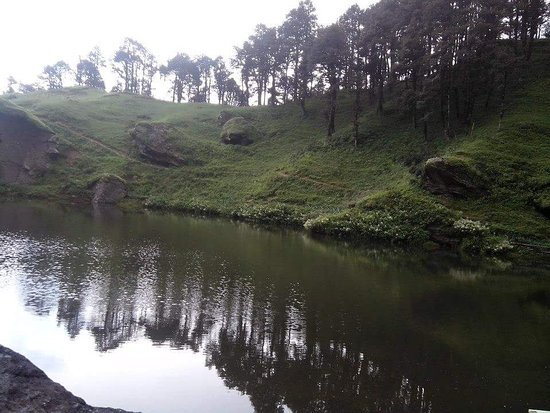
After breakfast, drive to Jalori Pass (around 30–45 minutes from Jibhi depending on your location). From the pass, it’s a short but steep walk to Serolsar Lake. The lake is serene and surrounded by rhododendrons and cedar trees; local folklore often adds a mystical feel to the visit. Carry water and a light jacket — mornings can be chilly even in summer.
Late morning — Shali Tibba viewpoint (optional)
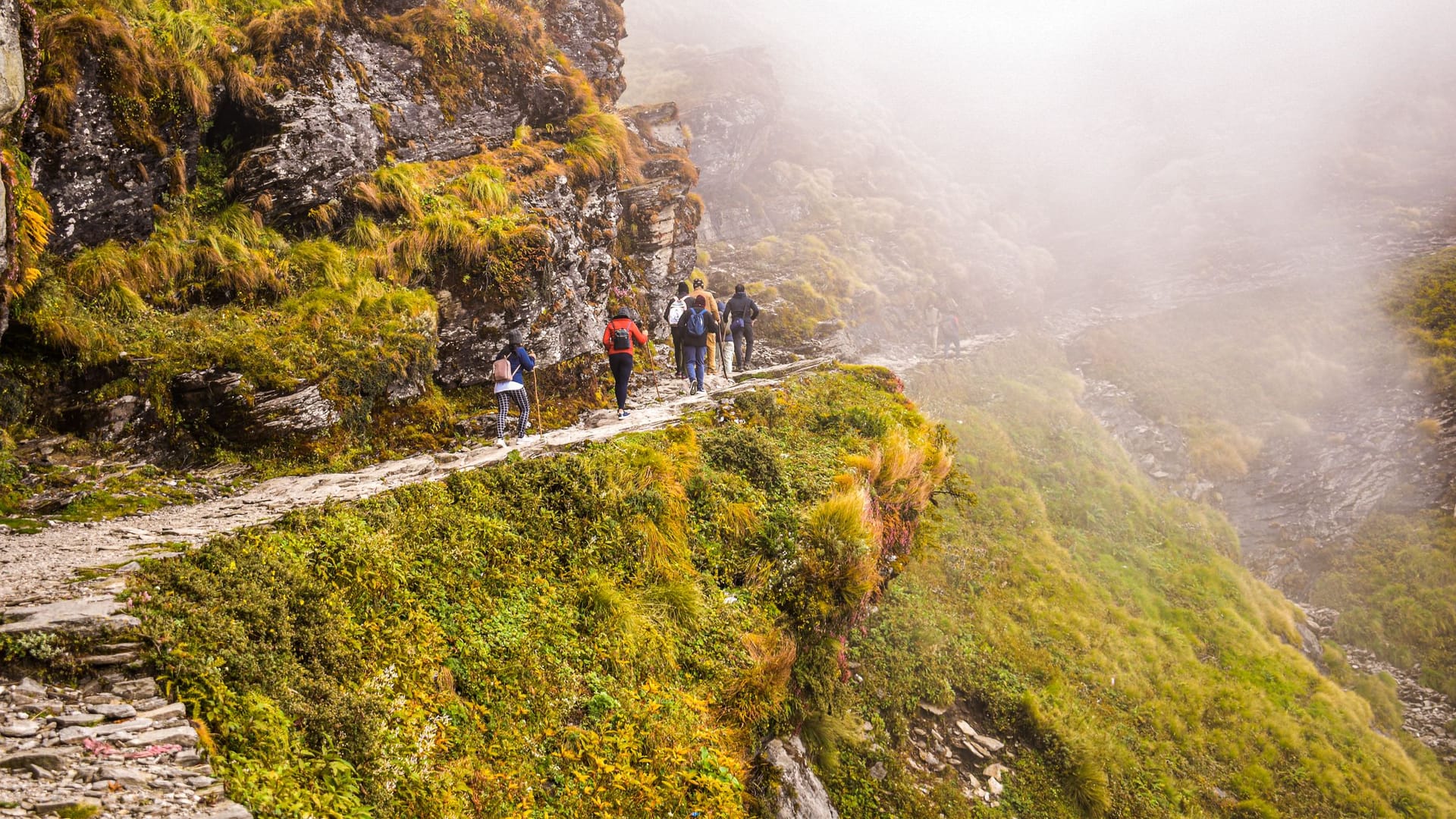
For panoramic views, consider the short trek toward Shali Tibba from the lake. It involves uneven terrain and some incline, but rewards you with wide Himalayan vistas. If you prefer to keep the pace gentle, spend more time at Serolsar, relax and enjoy the silence.
Afternoon — Drive down to Gushaini / Banjar (Tirthan Valley)
Descend from Jalori and drive towards Gushaini or Banjar in Tirthan Valley. Check into a riverside guesthouse or campsite. Have lunch and set out for an easy walk along the Tirthan River. The river’s clear waters and pebble banks are perfect for a calming afternoon. Many places offer light treks into the Great Himalayan National Park (GHNP) buffer zone with naturalist guides.
Evening — Riverside relaxation and local flavours
Book a guided night walk or a short forest walk if available; otherwise, relax by the riverbank. Try local Himachali dishes and trout for dinner. If you’re staying at a property with a fireplace, the cosy ambience is ideal for card games and quiet conversation.
Day 3: Tirthan Valley activities and departure
Morning — Easy hike to the Great Himalayan National Park trails
Begin with an early morning walk into GHNP buffer zones from Gushaini. Popular short treks lead to meadows and viewpoints where birdlife is abundant. If you’re a nature lover, hire a certified guide who can point out endemic plants, birds and signs of wildlife. Keep your camera ready for kingfishers, woodpeckers and Himalayan bulbuls.
Midday — Trout fishing or Riverside picnic
If you enjoy angling, arrange a trout fishing session (check local regulations and obtain permissions if needed). Alternatively, enjoy a riverside picnic — many guesthouses can pack a lunch. Spend time wading in shallow pools, photographing the valley and talking to local villagers about seasonal life here.
Afternoon — Short village walk and departure
Return to your accommodation, pack up and take one last walk through the village alleys. Pick up handmade woollen scarves or local jams from village stalls if available. Start your journey back to your onward destination — Kullu or Bhuntar for onward flights, or continue to Manali or Shimla if extending your trip.
Where to eat and what to try
- Homestay meals: Hearty thalis with rice/rotis, seasonal vegetables and lentils.
- Trout: Freshly caught, often grilled or pan-fried — a Tirthan speciality.
- Snacks: Local sweets and chai at small cafés; try buckwheat pancakes if on the menu.
- Picnic options: Carry dry fruits, sandwiches, and thermos tea for short treks.
Where to stay
- Riverside guesthouses: Best for waking up to river sounds and easy access to Tirthan’s walking trails.
- Homestays in Jibhi: Offer a peek into local life, home-cooked food and warm hospitality.
- Campsites: Seasonal and charming for starry nights; check facilities and weather.
Practical tips and safety
- Weather: Himachal weather changes quickly. Layering is essential — mornings and nights are cold, afternoons warm in summer.
- Roads: Mountain roads can be narrow and bumpy. Travel with an experienced driver and avoid night driving where possible.
- Permits: Some treks in GHNP require permits; enquire locally or through your accommodation.
- Connectivity: Mobile signals are patchy. Download maps and keep printed directions if possible.
- Health: Carry basic medicines, altitude awareness isn’t usually a major issue here but stay hydrated and rest if you feel off.
- Leave no trace: Respect wildlife and local customs. Carry back non-biodegradable waste and use refillable bottles.
Packing checklist
- Warm layers, including fleece and a windproof jacket
- Comfortable walking shoes or light trekking shoes
- Rain protection (compact umbrella or rain jacket) during monsoon months
- Sunscreen, sunglasses and a hat
- Basic first-aid kit and any personal prescriptions
- Reusable water bottle and small daypack
- Camera/binoculars for birding and landscapes
Tip: Aim to travel between April–June for spring blooms and pleasant weather, or September–October for clear skies and autumn colours. Monsoon brings lushness but also slippery trails and road disruptions.
Customisations and extra days
If you have an extra day, consider adding a full-day trek in GHNP, a visit to Raghupur or Naggar for cultural insight, or extending to Manali for broader Himalayan experiences. For birdwatchers and naturalists, an additional day in Tirthan will let you explore deeper trails and remote meadows.
Jibhi and Tirthan are perfect for travellers who want to slow down, listen to the river and take short adventures that refresh rather than exhaust. With careful packing and a flexible mindset, these three days will leave you calmed, content and connected to Himachal’s quieter side.