3-Day Jaipur Itinerary Covering Forts, Bazaars and Food
A compact, three-day Jaipur plan that packs the Pink City’s forts, bustling bazaars and iconic Rajasthani food into a well-paced itinerary—with tips on timing, transport and stay.
By TravMe travel team · · Updated · 7 min read
Jaipur, the Pink City of Rajasthan, blends regal history, lively markets and rich cuisine into a colourful short-break destination. This three-day itinerary helps you see the highlights—majestic forts, architectural gems, vibrant bazaars and regional flavours—without rushing, ideal for first-time visitors or a quick cultural getaway.
Before you go: Practical tips
Timing, accommodation and mobility make a short trip successful. Jaipur is busiest during winter (November to March) when temperatures are pleasant; summers can be hot and monsoon brings occasional rains. Plan mornings and late afternoons for outdoor sightseeing to avoid midday heat. Choose a centrally located hotel in Civil Lines, MI Road or near Hawa Mahal for easy access to major sights.
Local transport options include taxis, app-based cabs, auto-rickshaws and cycle rickshaws for short hops. If you prefer convenience, hire a private car with a driver for the three days—this saves time between spread-out attractions. Keep bottled water, sunscreen and a hat handy. Many monuments have security checks and dress etiquette: modest shoulders and knees are recommended while visiting religious sites.
Day 1: Historic core — Hawa Mahal, City Palace and Jantar Mantar
Start your Jaipur experience with the iconic landmarks that define the city’s heritage and urban landscape.
Morning: Hawa Mahal and City Palace
Begin early at Hawa Mahal. Its perforated sandstone façade is best seen when the morning light softens the pink hues. While the interior is smaller than it appears, the balcony views and nearby photo points are worth lingering for a short while.
From Hawa Mahal, walk or take a short drive to the City Palace complex. This living palace houses museums, courtyards and private royal apartments. Allocate a couple of hours to explore the intricate peacock mosaics, armoury displays and the Mubarak Mahal. Guided audio tours or a local guide can add context to the royal collections and Mughal-Rajput history.
Afternoon: Jantar Mantar and a relaxed lunch
Next door is Jantar Mantar—Jaipur’s UNESCO-listed collection of astronomical instruments. The gigantic stone and brass devices are surprisingly photogenic and fascinating for insight into pre-modern astronomy.
For lunch, head to a nearby café or restaurant on MI Road for classic Rajasthani thali or lighter options like kachori and chaat. Choose a place with good reviews and comfortable seating so you can rest before the afternoon market walk.
Evening: Stroll through Johari and Bapu Bazaars
Spend the evening exploring Johari Bazaar for jewellery—traditional Kundan and meenakari work—and Bapu Bazaar for textiles, mojris (traditional footwear) and handicrafts. These markets come alive as the sun sets; the lighting and energy are part of the experience. Bargaining is customary: start lower and meet somewhere in the middle.
Day 2: The great forts — Amber, Jaigarh and Nahargarh
Dedicate a day to Jaipur’s hill forts. These structures tell stories of defence, grandeur and panoramic views over the city.
Morning: Amber Fort
Rise early to visit Amber Fort before the crowds and heat. The fort’s sprawling courtyards, Sheesh Mahal (mirror palace) and the ascent via traditional pathways are highlights. You can reach Amber by jeep or private car; elephant rides used to be popular but have ethical considerations—check local guidelines if you plan to ride.
Take time to admire the intricate mirror work, frescoes and the fort’s defensive gates. The guide here can explain the military architecture and the role Amber played in Rajputana politics.
Lunch: Local cuisine near Amber
Several eateries near Amber and the foothills offer refreshments and regional dishes. A relaxed lunch here keeps the afternoon free for the other forts.
Afternoon: Jaigarh and Nahargarh Forts
Jaigarh Fort sits on the same ridge and is home to impressive cannonry and massive battlements. The panoramic views of Amber and Maota Lake are dramatic. Jaigarh’s museum displays historical arms and offers insight into the engineering of the period.
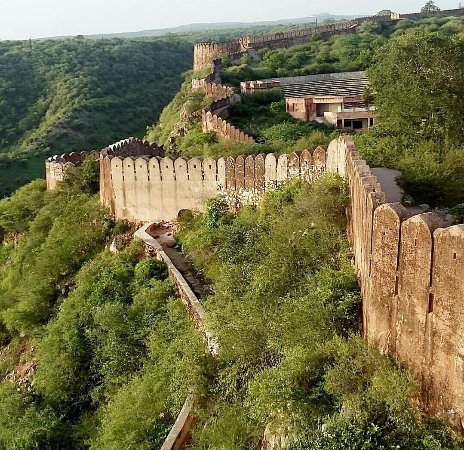
Continue to Nahargarh Fort, perched above the city. The fort’s ramparts provide one of the best sunset vantage points over Jaipur—bring your camera. The views of the city’s grid and the distant Aravalli hills are especially striking as the city lights begin to glow.
Evening: Dining with a view
Consider an early dinner at one of Nahargarh’s or central Jaipur’s rooftop restaurants to sample Rajasthani specialities such as dal baati churma or gatte ki sabzi. The combination of food and dusk panoramas is a quintessential Jaipur experience.
Day 3: Culture, crafts and culinary deep-dive
Use your final day to slow down—visit smaller museums, artisan workshops and enjoy a culinary exploration of Jaipur’s flavours.
Morning: Albert Hall Museum and Ram Niwas Garden
Begin with Albert Hall Museum in the Ram Niwas precinct. The Indo-Saracenic building holds a diverse collection—textiles, paintings, weaponry and archaeological finds—that outlines Rajasthan’s cultural tapestry. Ram Niwas Garden nearby is a pleasant spot for a short walk.
Late morning: Workshops and heritage walks
Jaipur has a thriving artisan scene. Book a short workshop or a guided walk focusing on block printing, blue pottery or gemstone cutting. Seeing craftsmen at work—whether printing fabrics with wooden blocks or shaping delicate blue pottery—adds depth to the souvenirs you’ll choose to bring back.
Afternoon: Culinary exploration and bazaar food trail
Dedicate the afternoon to sampling Jaipur’s street food and café culture. Begin with savoury bites like pyaaz kachori, dal kachori or samosa and move on to iconic sweets such as ghevar (seasonal) or malpua. For lunch, an authentic Rajasthani thali offers a curated spread of local dishes that reveal the state’s culinary logic—spices, textures and local techniques.
Pair your food trail with visits to smaller bazaars: Tripolia Bazaar for lac bangles and brassware, and Nehru Bazaar for textiles and footwear. Keep cash handy for smaller vendors and buy from recognised stores for higher-value purchases like gemstones or silver.
Evening: Cultural performance or relaxed rooftop time
Conclude your Jaipur visit with a cultural performance—Rajasthani folk music and dance are often staged at heritage hotels or cultural centres. If you prefer to wind down gently, choose a rooftop café near Hawa Mahal to watch the evening hues and reflect on the trip.
Packing list and local etiquette
- Light cotton clothing for day, a warm layer for cool winter nights.
- Comfortable walking shoes for forts and bazaars; sandals for market strolls.
- Reusable water bottle, sunscreen, sunglasses and a hat.
- Respect local customs: modest dress at religious sites and permission before photographing people, especially in rural or tribal contexts.
- Carry small change for market purchases and tip porters or guides when appropriate.
Tip: Start sightseeing early, rest during peak afternoon heat, and leave evenings for markets and dinner—this rhythm keeps the trip enjoyable and manageable.
Where to stay: neighbourhood guide
Choose a neighbourhood based on your priorities. The walled Old City is atmospheric and close to Hawa Mahal and the bazaars; MI Road and Civil Lines offer quieter streets, easy access to restaurants and a short drive to the forts. If you prefer a heritage stay, several havelis and palace hotels provide an immersive experience—book early in peak season.
Safety and responsible travel
Jaipur is generally safe for travellers, but usual precautions apply: keep belongings secure in crowded bazaars, use registered taxis or app-based cabs after dark, and avoid isolated areas at night. Support local artisans and community-run initiatives to ensure your tourism dollars benefit local craftspeople. Be mindful of wildlife and conservation guidelines if you extend your trip to nearby natural areas.
Final tips and wrap-up
Three days in Jaipur is enough to experience the city’s architectural wonders, lively markets and distinctive cuisine without feeling rushed. Prioritise a mix of forts, museums and bazaars, take one or two guided experiences to deepen your understanding, and leave space for unplanned discoveries—an inviting side street, a craftsperson at work, or a memorable meal.
With a comfortable base, sensible pacing and curiosity, your short Jaipur trip will be a colourful immersion into Rajasthan’s royal past and living traditions.
Enjoy your Jaipur journey—safe travels and happy exploring!