3-Day Chopta Itinerary With the Tungnath and Chandrashila Trek
A practical 3-day Chopta itinerary covering the Tungnath and Chandrashila trek, with travel tips, route details, packing list, best season and safety advice for an unforgettable Himalayan escape in Uttarakhand.
By TravMe travel team · · 6 min read
Chopta, often called the "Mini Switzerland of India," is a peaceful alpine meadow in Uttarakhand that serves as the gateway to the sacred Tungnath temple and the panoramic Chandrashila summit. This 3-day itinerary balances easy travel, immersive trekking and time to soak in Himalayan views, making it ideal for first-time trekkers and travellers seeking a short mountain getaway.
Quick overview: What to expect
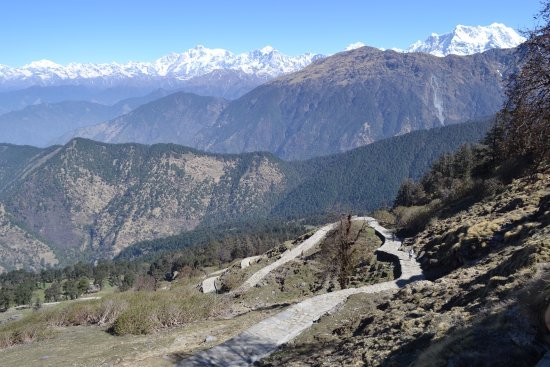
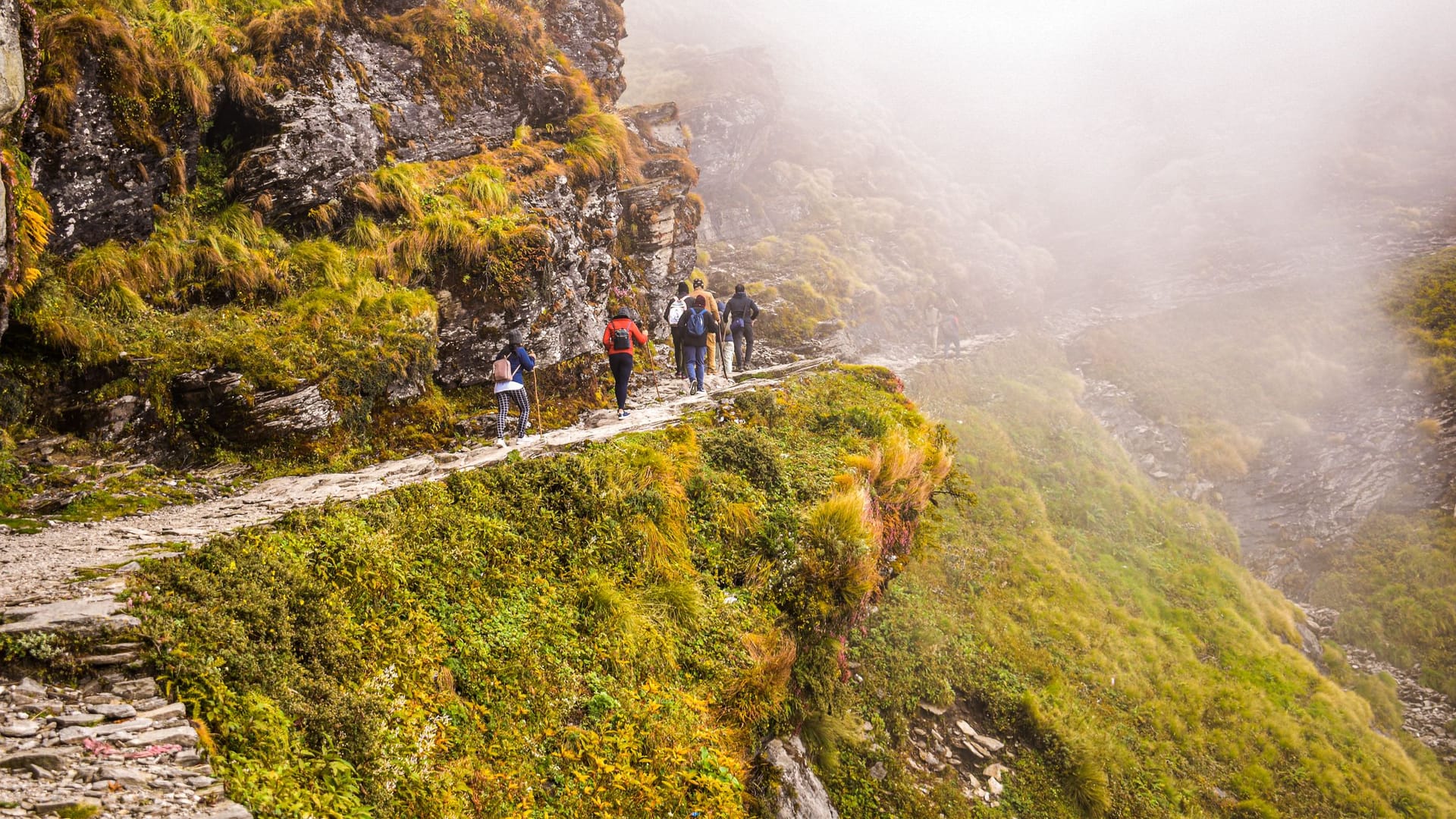
This itinerary covers the round-trip starting from Chopta to Tungnath (the highest Shiva temple in the world) and a short ascent to Chandrashila peak. Expect forested trails, rhododendron and oak slopes, open meadows with uninterrupted mountain views, and basic but cosy accommodation options in Chopta. Trekking difficulty is easy to moderate; the trail is well-marked though steep in patches.
Best time to go
- April to June: Pleasant weather, clear views and blooming meadows — ideal for most travellers.
- September to November: Post-monsoon clarity offers crisp skies and excellent visibility of the Himalayan range.
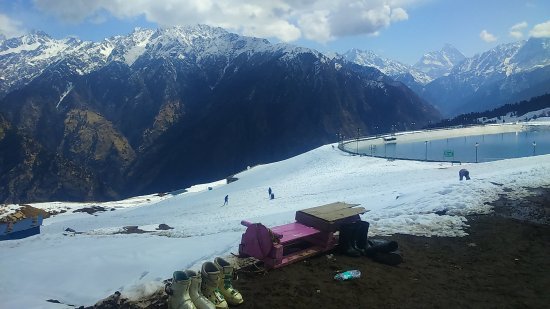
- December to March: Snowfall makes the trek beautiful but more challenging; proper winter gear and local guidance are essential.
- Monsoon note: July–August sees heavy rain and leeches; trails can be slippery and some services may be limited.
How to reach Chopta
Chopta is in Uttarakhand’s Rudraprayag district and is accessible by road from major towns:
- From Rishikesh/Haridwar: A popular road route for travellers coming from north India. Expect a long scenic drive through hilly roads.
- From Dehradun: Dehradun is the nearest city with good rail and flight connections; hire a car or take a bus towards Chopta via Srinagar (Uttarakhand).
- Local transport: Shared taxis and local buses run up to Ukhimath or Sari; from there a short drive leads to Chopta. Private vehicles offer the most flexibility, but be prepared for narrow mountain roads.
Itinerary: Day-by-day plan
Day 1 — Arrival and easy exploration
Arrive at Chopta in the morning or afternoon, check into your guesthouse or campsite, and use the rest of the day to acclimatise and explore the immediate area. Walk through the meadows and get your first views of the Chaukhamba and other peaks. Keep the pace gentle to conserve energy for the trek on Day 2.
- Settle in and meet local guides if you plan to hire one for the next day.
- Short sunset walk to a nearby ridge for panoramic photography.
- Early dinner and rest — the mornings start early for the trek.
Day 2 — Chopta to Tungnath and Chandrashila return
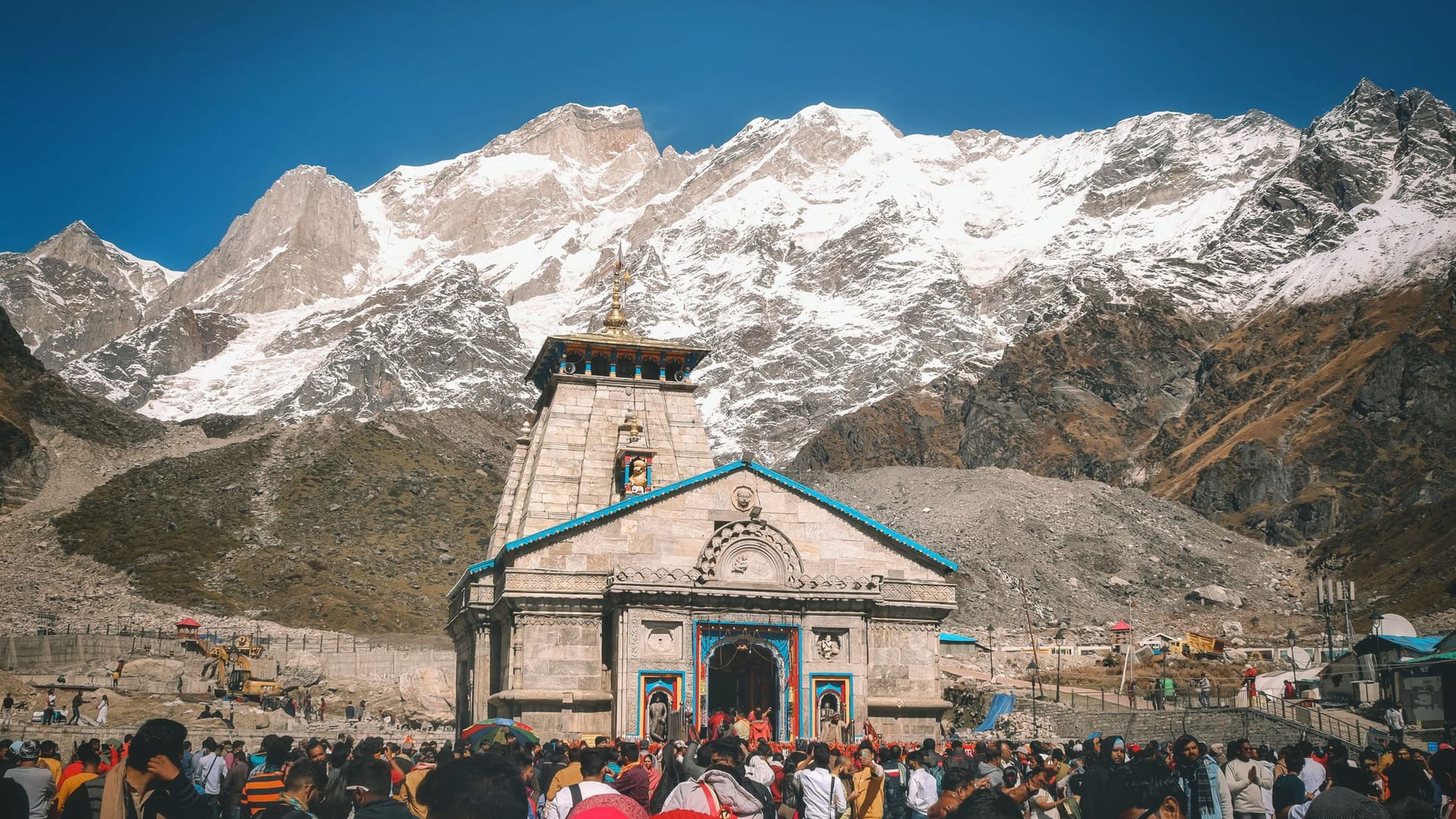
Start early from Chopta (many trekkers begin before sunrise). The trek to Tungnath is around 3.5–4 km uphill on a stone-paved path with steps; allow 1.5–2.5 hours depending on fitness. Tungnath itself is a small, ancient shrine set amid rocks and tall conifers. From Tungnath, the trail continues to Chandrashila summit — a steep but short ascent of about 1 km that rewards you with one of the most spectacular 360-degree Himalayan panoramas.
- Highlights: Sunrise over snow-capped peaks, close-up views of Nanda Devi and Trishul ranges, serene temple atmosphere at Tungnath.
- Duration: Round-trip from Chopta to Chandrashila and back can take 6–8 hours including breaks and time at the summit.
- Food and water: Small stalls near Tungnath may offer tea and snacks; carry enough water, energy bars and a packed lunch.
Day 3 — Leisurely morning and return
Enjoy a relaxed breakfast and a last walk through the meadows. If you missed sunrise at Chandrashila, you can plan an early start this morning as a contingency. Pack up and begin your drive back to your onward destination — plan for travel time and stops en route. If you have a later schedule, consider an extra short hike or visit the nearby Deoria Tal (if time permits and accessible) for a tranquil lake setting with mountain reflections.
Permits, guides and local rules
There are no complicated permits required for Chopta–Tungnath–Chandrashila for most domestic travellers. However, local rules can change and authorities may regulate access during winter or adverse weather. Hiring a local guide supports the community and is helpful if you are unfamiliar with mountain conditions, especially in snow. Respect temple customs at Tungnath — dress modestly and follow instructions from priests or caretakers.
Packing checklist — essentials for a comfortable trek
- Sturdy trekking shoes with good grip and broken-in socks.
- Layered clothing: base layer, insulating mid-layer and a windproof/waterproof outer layer.
- Warm hat, gloves and thermal wear for early mornings or winter visits.
- Daypack, reusable water bottle or hydration bladder, and high-energy snacks.
- Sun protection: sunglasses, sunscreen and a wide-brim hat.
- Basic first-aid kit, blister plasters, personal medicines and any prescriptions.
- Headlamp or torch with spare batteries, mobile power bank and a physical map or offline navigation app.
- Toiletries, biodegradable waste bags and hand sanitiser; practice Leave No Trace principles.
Safety and fitness tips
- Hydrate well and pace yourself; the altitude at Chandrashila is moderate but some may feel breathless on steep sections.
- Start early to avoid afternoon clouds or sudden weather changes common in the mountains.
- Inform your guesthouse or a contact about your trek plan and expected return time.
- Check the local weather forecast and ask hosts about trail conditions; trails can be icy in winter.
- Respect wildlife and keep a safe distance from any animals you encounter.
Where to stay and food options
Chopta offers a mix of simple guesthouses, forest rest houses and seasonal camps. Expect basic but clean accommodation with hearty home-cooked meals. Many guesthouses serve local Kumaoni cuisine — perfect for replenishing after a day's trek. If you prefer more comfort, book well in advance during peak season and confirm heating arrangements during colder months.
Photography and what not to miss
- Sunrise from Chandrashila — early light on the Himalayan peaks is unforgettable.
- Rhododendron blooms (spring) — intensely photogenic colours along the trail.
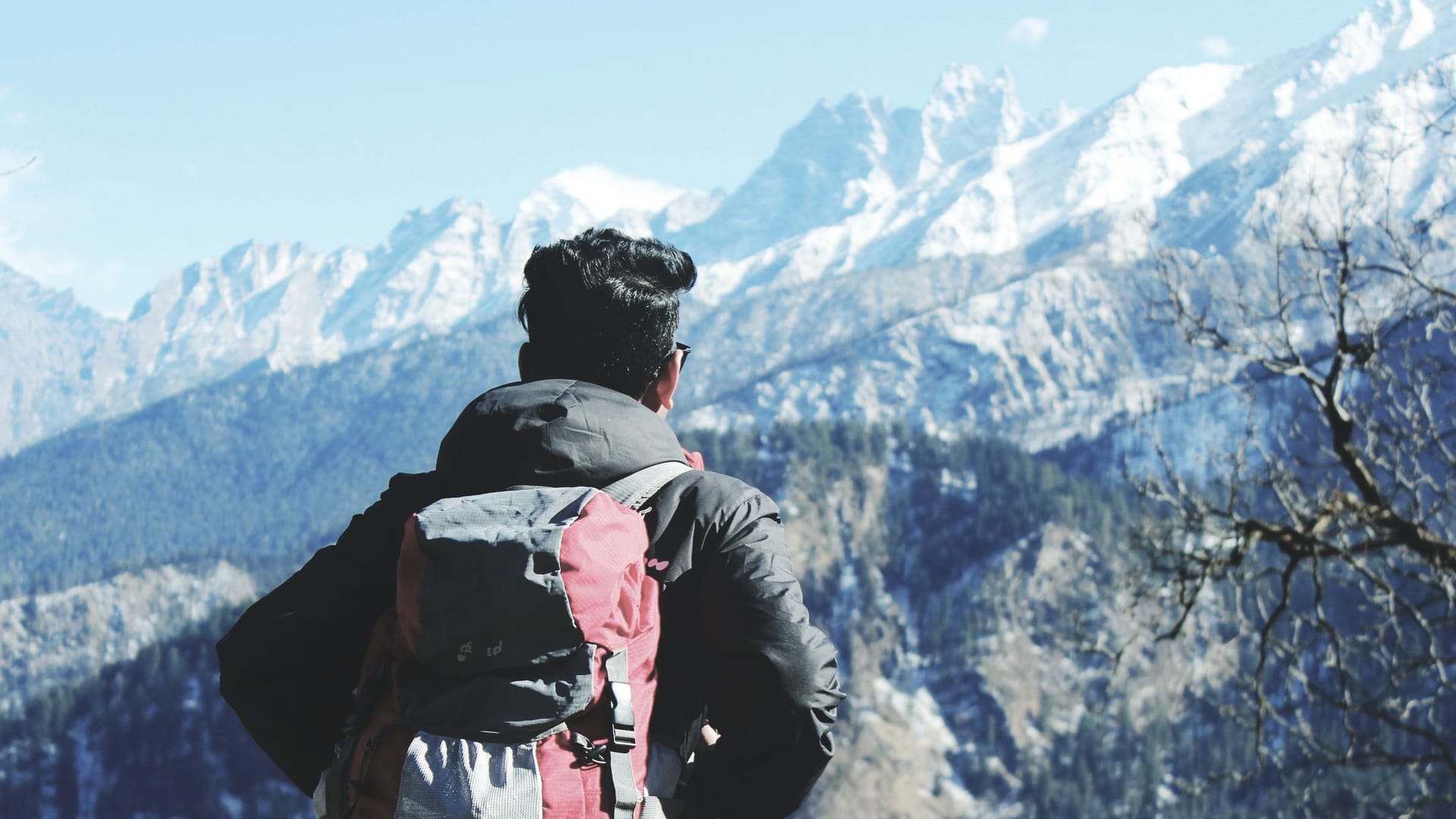
- Panoramic shots of Chaukhamba and the Nanda Devi group from Chandrashila summit.
- Temple frames at Tungnath — a mix of spirituality and nature.
Tip: Carry extra memory cards and batteries — cold drains battery life fast, and you'll want spare power for capturing long mountain vistas.
Alternative plans and extensions
If you have an extra day, consider:
- Visiting Deoria Tal for a serene mountain lake and reflection shots of Chaukhamba.
- Exploring nearby Ukhimath for its ancient temples and local markets.
- Extending into a multi-day trek deeper into the Garhwal region if you seek longer trails and remote camping.
Responsible travel reminders
Chopta’s fragile alpine ecosystem benefits from careful tourism. Carry your waste back, avoid single-use plastics, and stick to established trails. Support local businesses by eating and buying from small shops and guides — it makes a real difference to the mountain communities.
With modest fitness, proper packing and early starts, a 3-day Chopta itinerary to Tungnath and Chandrashila offers a perfect short Himalayan escape — combining spiritual visits, rewarding treks and postcard mountain views. Respect the mountains, plan sensibly, and leave with memories that last a lifetime.
Conclusion: This 3-day plan balances tranquillity and adventure. Whether you’re chasing sunrise photos from Chandrashila, seeking a quiet pilgrimage at Tungnath or simply breathing fresh alpine air, Chopta delivers. Book thoughtfully, pack smart, and enjoy the Himalayan magic.