14-Day Grand Uttarakhand Itinerary for Garhwal and Kumaon
A detailed 14-day Grand Uttarakhand itinerary covering the best of Garhwal and Kumaon — from Rishikesh and Valley of Flowers to Nainital and Jim Corbett, with logistics, accommodation tips and packing advice.
By TravMe travel team · · 7 min read
Uttarakhand is a tapestry of lofty Himalayan peaks, sacred rivers, dripping forests and colonial hill stations. This 14-day Grand Uttarakhand itinerary blends the spiritual pulse of Garhwal with the relaxed charm of Kumaon, giving you river experiences, alpine meadows, wildlife safaris and serene lakes — all paced for an immersive yet manageable holiday.
Overview & logistics
This route begins in Rishikesh (Garhwal) and ends in Nainital or Corbett (Kumaon), connecting iconic sites: Rishikesh, Haridwar, Chopta, Tungnath, Auli, Joshimath, Valley of Flowers, Badrinath, Mukteshwar, Almora, Kausani, and Jim Corbett. Travel is by road; expect mountain driving with winding stretches and occasional narrow roads. Domestic flights into Dehradun (Jolly Grant), Pantnagar (for Kumaon), or Delhi are common entry options. Trains and buses link major towns but private car hire or a mix of taxis and shared cabs gives the most flexibility.
How to use this itinerary
The schedule balances trekking days with relaxed sightseeing. If you prefer slower travel, consider converting two medium days into full rest days in Auli or Almora. Similarly, monsoon and winter seasons require modifications: monsoon can close high passes and the Valley of Flowers, while winters bring heavy snowfall at Auli and Chopta.
Day-by-day plan
Day 1: Arrival in Rishikesh — Ganga Aarti & Riverside Relaxation
Arrive in Rishikesh, check into a riverside guesthouse or ashram. Spend the evening at Triveni Ghat or Parmarth Niketan for the Ganga Aarti. Walk the Laxman Jhula and explore the cafes on the hippie lane. Keep activities light to recover from travel.
Day 2: Rishikesh Sightseeing & Optional Adventure
Morning yoga or a short river walk. Choose between white-water rafting on the Ganga (seasonal) or a local waterfall trek like Neer Garh. Visit Beatles Ashram (Chaurasi Kutia) and local markets for spiritual books and souvenirs.
Day 3: Rishikesh to Chopta/Tungnath (via Rudraprayag)
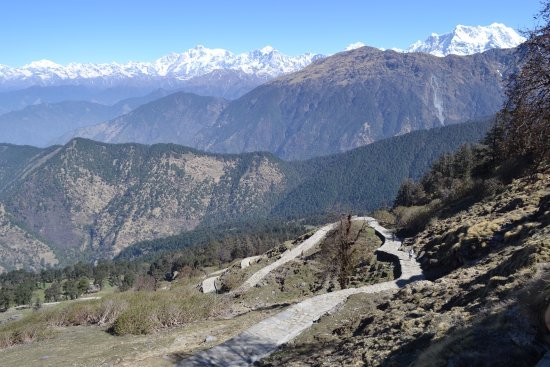
Drive toward Chopta — the alpine meadows of the Garhwal region. En route you’ll pass Rudraprayag and scenic mountain roads. Check in to a campsite or mountain lodge. Evening views of snow-capped peaks and fresh mountain air set the tone for trekking.
Day 4: Tungnath Temple & Chandrashila Summit
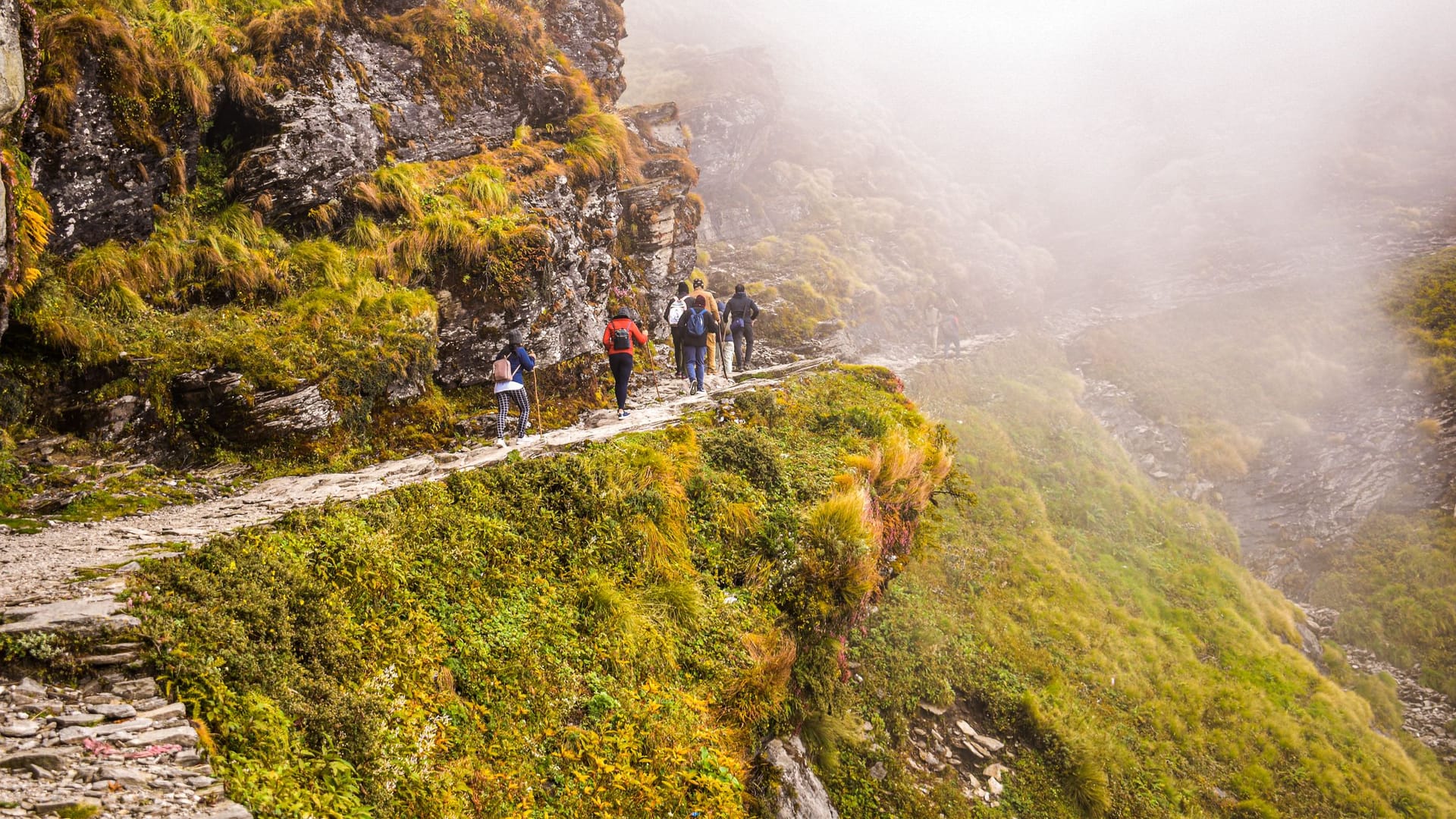
Early morning trek to Tungnath (highest Shiva temple) and, if fit, continue to Chandrashila for sunrise panoramas of Nanda Devi and Trishul. Return to Chopta and relax. The trek is moderately challenging but short, making it accessible to most travellers.
Day 5: Chopta to Auli (via Joshimath)
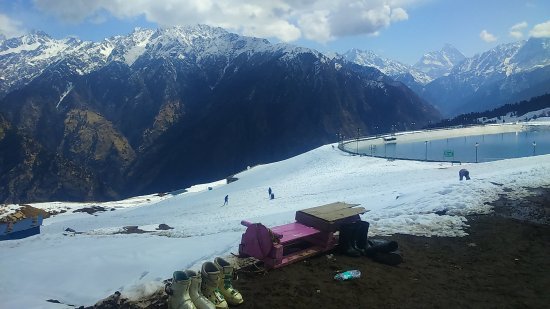
Drive to Joshimath and continue to Auli, one of India’s premier ski destinations. Auli’s grassy slopes and coniferous forests are stunning in summer; winter transforms them into a ski haven. Check into a hill resort and take the Auli ropeway for sweeping views.
Day 6: Auli — Trek or Leisure, Local Exploration
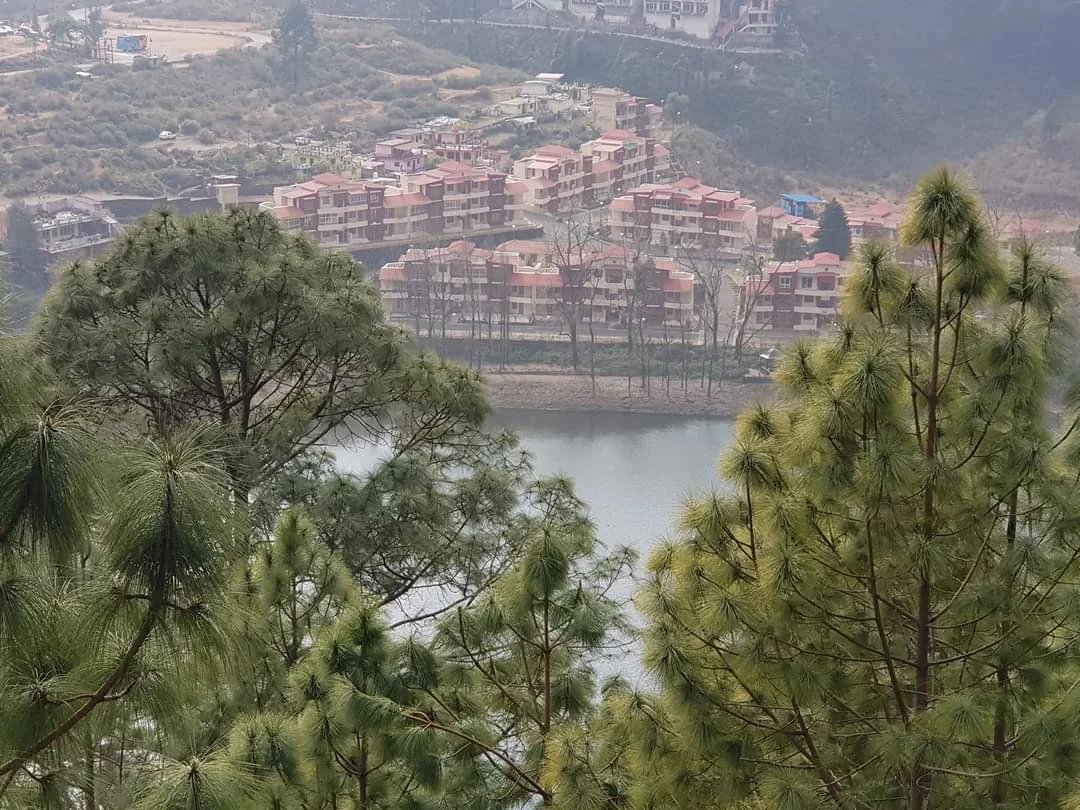
Use this day to explore Auli’s trails, take a longer hike to Gorson Bugyal or relax and soak in the high-altitude vistas. Photographers will appreciate the foreground pines with the Himalayan range behind.
Day 7: Auli to Joshimath and Valley of Flowers Base (Govindghat)
Descend to Joshimath and reach Govindghat, the gateway to the Valley of Flowers and Hemkund Sahib. Prepare for the hike into the Valley — arrange porters or check local guidance if needed.
Day 8: Valley of Flowers Trek & Hemkund (optional)
Full-day trek into the Valley of Flowers (seasonal, typically July–Sept). If you prefer, opt for a gentler walk in the valley and skip the Hemkund Sahib extension which is steeper and higher. Carry water, rain gear and layered clothing as weather changes rapidly.
Day 9: Return to Joshimath — Drive to Badrinath
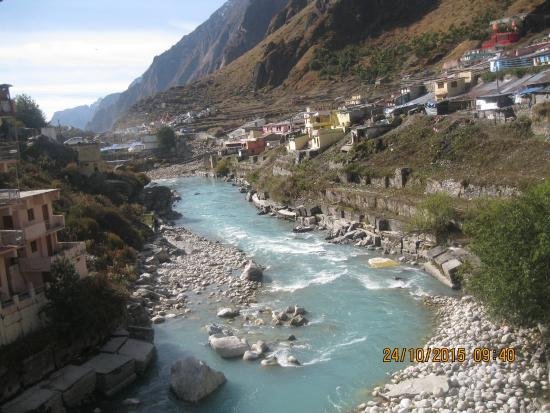
Return to Govindghat and drive to Badrinath, one of the Char Dham pilgrimage sites. Explore the temple precincts and take in the Mana village — India’s last village before Tibet. Overnight at Badrinath or Joshimath, depending on energy levels.
Day 10: Badrinath to Mukteshwar (start Kumaon)
Begin the transition to Kumaon with a long but scenic drive to Mukteshwar. The landscape subtly shifts from rugged Garhwal Himalaya to gentler Kumaon hills. Mukteshwar is known for its cliff-top views and peaceful orchards — a great place to relax.
Day 11: Mukteshwar to Nainital via Almora
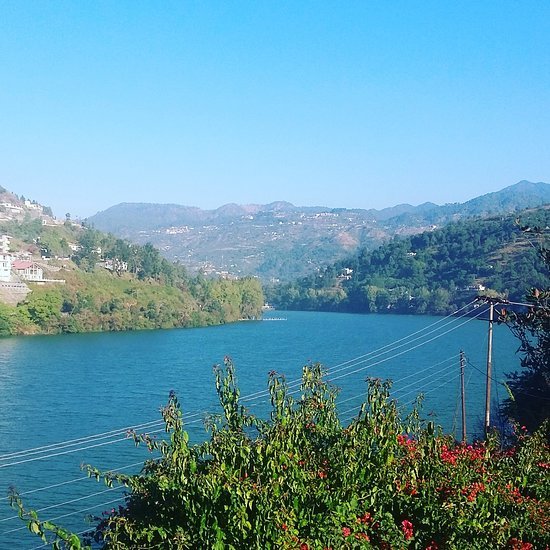
Stop in Almora to explore colonial-era lanes, temples and panoramic viewpoints like Zero Point. Continue to Nainital, arriving by late afternoon. Take a boat ride on Naini Lake and enjoy Mall Road’s eateries and lakeside ambience.
Day 12: Nainital to Kausani
Morning visit to Snow View Point (cable car) or Tiffin Top for sunrise. Post breakfast, drive to Kausani — famed for unobstructed Himalayan views and Mahatma Gandhi’s stay. Spend the evening enjoying sunset panoramas and quiet tea gardens.
Day 13: Kausani to Jim Corbett National Park
Head down to the Terai plains for Jim Corbett National Park. Check into a resort near a park gate. If time permits, do a nature walk around the property and prepare for the next day’s safari. Early nights are common to match safari timings.
Day 14: Morning Safari & Departure
Take an early morning Jeep or Canter safari (book in advance) hoping to spot elephants, deer, birds and possibly the Bengal tiger. Return to the hotel, freshen up and proceed to your onward journey — Delhi, Pantnagar or other destinations.
Where to stay — suggestions by mood
- Budget: Guesthouses and dharmshalas in Rishikesh, basic mountain lodges in Chopta and Govindghat.
- Comfort: Boutique hotels in Nainital, resorts in Auli and Mukteshwar, and family-run homestays in Kausani and Almora.
- Luxury: Resorts around Jim Corbett and heritage-style stays in Rishikesh and Nainital offering additional services and guided experiences.
Practical tips
- Pacing: Altitude and long drives can tire you; alternate active and rest days. Keep the first day easy.
- Permits: Valley of Flowers requires an entry pass during the open season; check with local authorities or your tour operator for current rules.
- Weather: Mountain weather is unpredictable. Carry layers, waterproofs and sun protection even in summer.
- Health: Carry a basic first-aid kit, altitude sickness medication if prone, and stay hydrated. Avoid heavy exertion on the first day at altitude.
- Connectivity: Mobile reception is intermittent, especially in high valleys. Download maps and inform someone of trekking plans.
- Cash & cards: ATMs are sparse in remote areas — carry sufficient cash for small purchases and tips.
Packing checklist
- Layered clothing, warm jacket, thermal innerwear for higher altitudes
- Good trekking shoes, walking poles (optional), and quick-dry clothes
- Rain jacket/poncho and a compact umbrella (monsoon season)
- Sunblock, hat, sunglasses and a refillable water bottle with purifier tablets or filter
- Personal medications, basic first-aid, insect repellent
- Power bank, spare batteries and a small torch for rural stays
Food, culture and responsible travel
Uttarakhand’s cuisine ranges from simple sattvic temple fare in pilgrimage towns to hearty Kumaoni dishes like bhatt ki churkani, aloo ke gutke and local breads. Try local sweetmeats, but respect temple food customs. Support homestays and local guides to ensure tourism benefits communities. Avoid single-use plastics, stick to marked trails in sensitive alpine meadows, and follow park rules in Corbett.
Tip: The best window for a combined Valley of Flowers and Auli visit is mid-summer to early autumn; winters are ideal for snowfall and skiing in Auli and Chopta.
Alternate routes and extensions
- Extend the trip with a few days in Haridwar for Ganga mela experiences or a yoga retreat.
- Swap Auli for a longer stay in Chopta and the Deoriatal-Chandrashila circuit for extra trekking.
- Add a few days to explore the lesser-known Pithoragarh region in eastern Kumaon if you want deeper cultural immersion.
Safety and emergency contacts
Always share your itinerary with family and hotel staff when heading into remote treks. Use registered guides for high-altitude or unfamiliar treks. In Corbett, stick to guided safaris and obey forest officials. Carry photocopies of ID proofs and keep emergency numbers saved locally (police, forest department, nearest hospital) — your hotel or tour operator can provide the latest contacts.
Conclusion
This 14-day Grand Uttarakhand itinerary showcases the contrast between Garhwal’s high-altitude spiritual and alpine delights and Kumaon’s tranquil hill stations and wildlife plains. With a balance of trekking, culture, relaxation and wildlife, the route is ideal for travellers seeking a comprehensive Uttarakhand experience. Plan seasonally, travel responsibly, and leave room for unplanned detours — often the best memories come from spontaneous moments on mountain roads.