12-Day Grand South India Tour Covering Hills, Heritage and Wildlife
A 12-day Grand South India itinerary that blends misty hill stations, royal heritage, lush wildlife reserves and tranquil backwaters across Karnataka, Tamil Nadu and Kerala — perfect for first-time travellers to the region.
By TravMe travel team · · 7 min read
Explore the best of South India in 12 days: hill stations with fragrant tea gardens, palaces and temples that tell centuries of stories, wildlife sanctuaries where elephants and tigers roam, and serene backwaters that recharge the soul. This itinerary balances paced travel with immersive experiences across Karnataka, Tamil Nadu and Kerala.
Overview: What to expect on this 12-day tour
This grand circuit covers Bangalore, Mysore, Coorg, Wayanad, Ooty, Thekkady (Periyar), Munnar, Alleppey and Kovalam. You’ll experience colonial and royal heritage, spice and tea plantations, prized wildlife reserves, and the famous Kerala backwaters. Plan for a mix of road journeys and short transfers, with options to tweak the route depending on your entry and exit cities.
Day-by-day itinerary
Day 1 – Arrive Bangalore; quick city highlights
Land in Bangalore and settle into your hotel. If time permits, visit Lalbagh Botanical Garden or Cubbon Park for a gentle walk. In the evening, explore UB City or try south Indian fare at a local restaurant. Bangalore serves as a convenient gateway to Mysore and Coorg.
Day 2 – Mysore: Royal heritage and markets
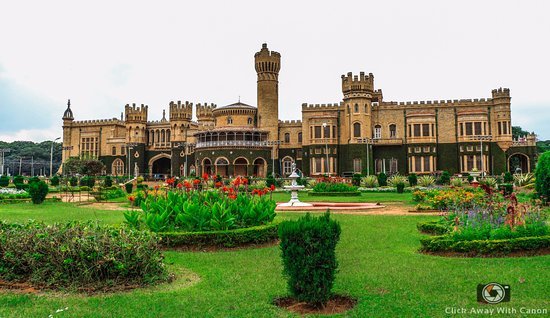
Drive to Mysore (about 3–4 hours). Visit the magnificent Mysore Palace, then stroll through Devaraja Market for spices, flowers and sandalwood items. Late afternoon, climb Chamundi Hill for a panoramic view over the city and witness the evening aarti at the Chamundeshwari Temple if timings align.
Day 3 – Srirangapatna and drive to Coorg (Kodagu)
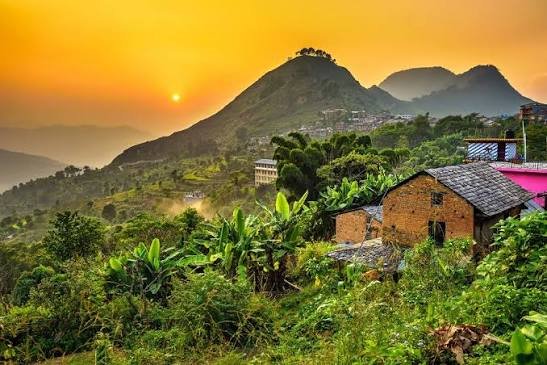
En route to Coorg stop at historic Srirangapatna to see Tipu Sultan’s summer palace and the fort. Continue to Coorg, famed for coffee plantations, misty hills and laid-back hill towns like Madikeri. Enjoy a relaxed evening sipping local coffee and sampling Kodava cuisine.
Day 4 – Coorg: Plantation walks and waterfalls
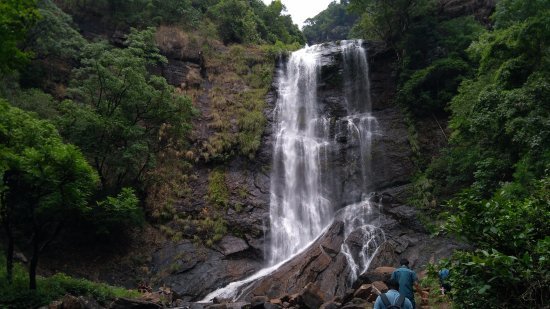
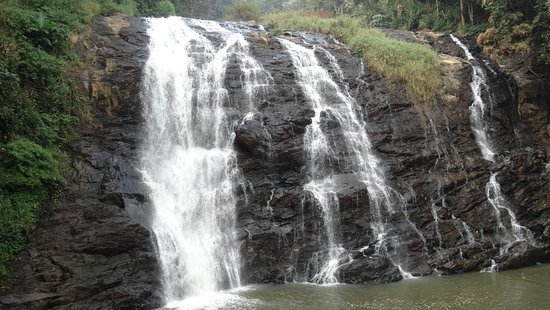
Spend the day exploring Coorg: take a guided coffee plantation walk, visit Abbey or Iruppu Falls, and explore Raja’s Seat at sunset. If you’re interested in culture, arrange a Kodava family visit to learn about local traditions and cuisine.
Day 5 – Drive to Wayanad via scenic routes
Cross into Kerala and head to Wayanad (approximately 3–4 hours from Coorg). Wayanad offers a mix of tribal culture, spice gardens and wildlife. Depending on arrival time, visit Edakkal Caves or Pookode Lake for a quiet boat ride.
Day 6 – Wayanad wildlife and viewpoints
Go for an early morning wildlife safari at Muthanga or Tholpetty (wildlife sightings vary by season). In the afternoon, visit Banasura Sagar Dam, Chembra Peak (for a short trek) or the Kuruva Island river reserve for birdwatching and nature walks.
Day 7 – Ooty in the Nilgiris: tea gardens and toy train option
Drive to Ooty, crossing the Nilgiri Hills. If timings allow and you enjoy scenic rail journeys, consider a stretch on the Nilgiri Mountain Railway (subject to availability). In Ooty, visit the Botanical Garden, the Rose Garden and stroll along Ooty Lake.
Day 8 – Thekkady (Periyar) – spice trails and wildlife boat cruise
Descend into Kerala and reach Thekkady/Periyar. In the late afternoon, take a boat cruise on Periyar Lake — one of the best ways to spot elephants, deer and a variety of birds gathering at the water’s edge. In the evening, explore a spice plantation and learn about local spices like cardamom, pepper and cinnamon.
Day 9 – Munnar: tea estates and panoramic views
Drive to Munnar, the high-range hill station known for sweeping tea gardens. Visit the tea museum to understand tea processing, enjoy walks through neatly terraced plantations, and catch sunset views at viewpoints such as Top Station or Echo Point.
Day 10 – Alleppey (Alappuzha) — backwaters and houseboat stay
Descend through Kerala’s hills to the coastal plains and reach Alleppey. Board a traditional houseboat (kettuvallam) for an overnight cruise through the palm-fringed backwaters. Relish freshly prepared Kerala meals on board while the slow-moving canals and village life glide by.
Day 11 – Kovalam — beaches and relaxation
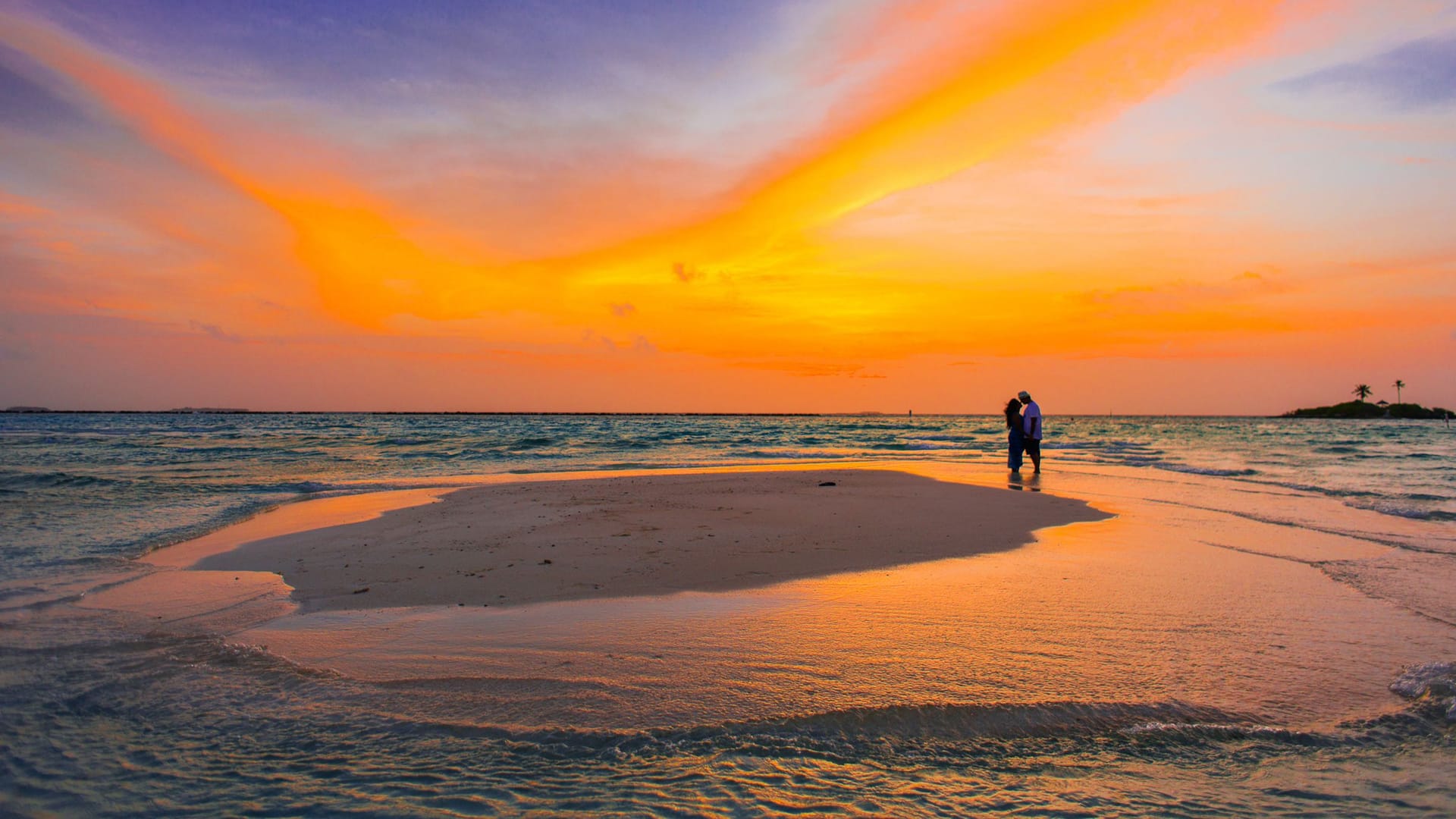
After a morning disembarkation and transfer, head to Kovalam. Spend the day relaxing on its crescent beaches, try an Ayurvedic massage, or stroll to the nearby lighthouse. Kovalam is ideal for unwinding after several days of travel and exploration.
Day 12 – Optional: Kanyakumari or depart from Trivandrum
Depending on your departure city, you can make a half-day trip to Kanyakumari — the southern tip of India where the Arabian Sea, Bay of Bengal and Indian Ocean meet — or transfer to Trivandrum (Thiruvananthapuram) airport for your onward flight. If you have extra time, visit Padmanabhaswamy Temple in Thiruvananthapuram.
Pro tip: South India’s roads can be winding through the hills — plan for slower travel times and keep some flexibility. Early starts are best for wildlife safaris and hill-station viewpoints.
Where to stay
- Bangalore: Central hotels or heritage bungalows depending on taste.
- Mysore: Heritage hotels near the palace provide atmosphere and convenience.
- Coorg and Wayanad: Plantation homestays and boutique resorts offer authentic local experiences.
- Ooty and Munnar: Choose tea-bungalow stays or hill resorts for views and cool climates.
- Thekkady and Alleppey: Eco-resorts and houseboats are the highlights — book the houseboat in advance for Alleppey.
- Kovalam: Beach resorts or small seaside cottages for easy access to the shore.
Getting around
This itinerary is best travelled by a private car with a driver-guide for flexibility, or a mix of trains and pre-booked intercity transfers for a slightly slower pace. Internal flights can save time between major hubs if you prefer to skip long road stretches. Local taxis and tuk-tuks serve short transfers in towns.
Best time to travel
October to March is broadly the most comfortable window for hill stations, wildlife sightings and backwaters. Monsoon months (June–September) are lush and beautiful in Kerala but can disrupt road travel and safaris; however, this is the best time for ayurvedic treatments and green landscapes if you don’t mind occasional rains.
Packing and practical tips
- Carry light woollens for evenings in hill stations (Ooty, Munnar) even in winter.
- Comfortable walking shoes for nature trails and heritage sites.
- Rain gear if travelling during the monsoon and sunscreen for coastal days.
- Keep insect repellent handy for wildlife areas and backwater regions.
- Respect local dress codes at temples; carry a shawl or wrap for quick cover-ups.
Food and local experiences
South Indian cuisine varies across states: Mysore has rich Karnataka fare, Coorg is known for spicy Kodava dishes, and Kerala delights with seafood, appam, puttu and coconut-based curries. Do try local snacks like Mysore pak, banana chips in Kerala and aromatic filter coffee. Seek out a homestay meal for the most authentic culinary memories.
Responsible travel reminders
- Follow guidelines in wildlife reserves: maintain distance, avoid feeding animals and keep noise to a minimum.
- Use refillable water bottles where safe; reduce single-use plastics.
- Support local guides, artisans and small businesses — this spreads the benefits of tourism across communities.
Alternate routes and customisations
If you prefer to focus more on heritage, swap Kovalam/Kanyakumari for Madurai and the Chettinad region to include grand temples and Chettinad mansions. For a stronger wildlife focus, extend time in Bandipur or Nagarhole and shorten the hill-station stays. The route is flexible — TravMe can tailor transfers, activities and accommodation to match comfort levels and interests.
Final notes
This 12-day Grand South India tour is a compact yet varied introduction to the region’s hills, heritage and wildlife. It combines activity and leisure, offering memorable stays from colonial bungalows to backwater houseboats. With modest daily distances and thoughtfully chosen stopovers, it’s ideal for travellers who want a balanced, immersive South India experience.
Ready to plan? Consider booking key experiences — houseboats, safaris and heritage palace visits — in advance, and leave some room for spontaneous discoveries along the way.
Conclusion
South India’s diversity unfolds beautifully over these twelve days: royal palaces and temple towns, misty tea estates, encounters with wildlife, and slow, reflective hours on the backwaters. Whether you’re a first-time visitor or returning for deeper discovery, this route offers a wholesome introduction to the region’s landscapes and culture. Safe travels and enjoy every flavour, view and sound of South India.